

Zanzibar is one of those destinations where timing does more than just influence the weather—it shapes the entire travel experience. Located off the coast of Tanzania in the Indian Ocean, Zanzibar attracts travelers with its white sand beaches, historic Stone Town, and clear turquoise waters. However, what many first-time visitors do not realize is that conditions on the island vary significantly throughout the year.
From humidity levels and rainfall patterns to ocean tides and underwater visibility, every month offers a slightly different version of Zanzibar. For some travelers, the priority is perfect beach weather. For others, it may be snorkeling conditions, fewer crowds, or better hotel prices. This is why understanding the island’s seasonal patterns becomes essential before planning a trip.
Zanzibar does not have extreme temperature variations, but the combination of heat, humidity, wind, and rain can greatly affect comfort and activities. A well-timed visit allows you to enjoy long beach days, smooth boat trips, and clear water experiences. On the other hand, visiting during less ideal months may limit outdoor plans or reduce visibility for marine activities.
In this guide, we break down each season in detail, along with practical travel insights, so you can choose the best time to visit Zanzibar based on what matters most to you.
June to October – The Best Overall Time to Visit Zanzibar
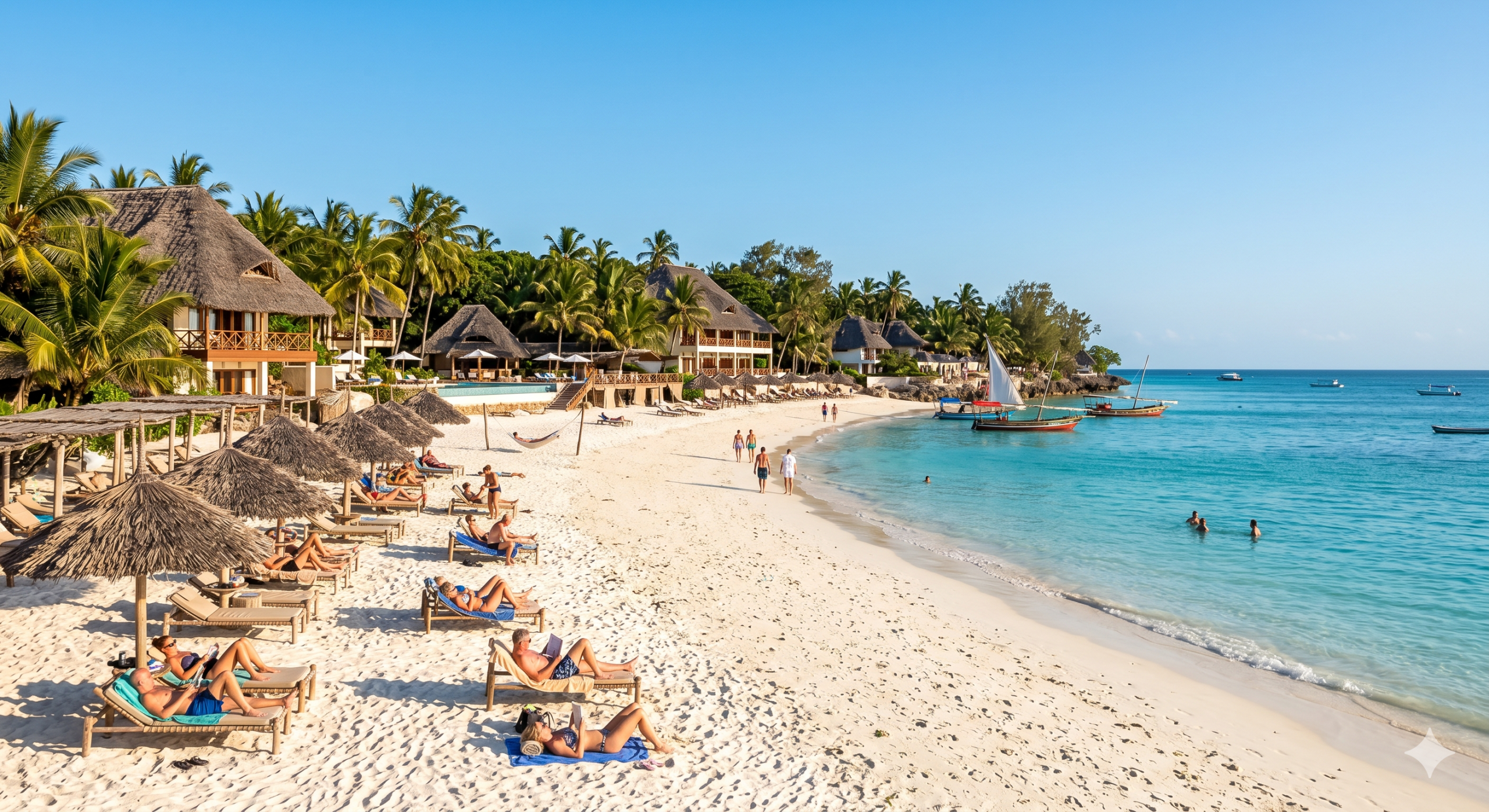
If you are looking for the most reliable weather, this is the best time to visit Zanzibar. The long dry season brings consistent sunshine, lower humidity, and very little rainfall, creating ideal conditions for both relaxation and exploration.
During these months, daytime temperatures are warm but not overwhelming, typically ranging between 26°C and 30°C. What makes this period especially comfortable is the reduction in humidity, which allows travelers to spend longer hours outdoors without feeling exhausted. Evenings are cooler and pleasant, making it a great time for beachside dinners or walks along the shore.
One of the most important advantages of this season is the condition of the ocean. The sea is generally calm, with good visibility, making it perfect for snorkeling and diving. Areas such as Mnemba Atoll offer excellent underwater experiences during this time, with clear views of coral reefs and marine life.
Beach conditions are also at their best. Locations like Nungwi and Kendwa are particularly popular because they are less affected by tidal changes, allowing for swimming throughout the day. In contrast, beaches on the east coast, such as Paje, experience noticeable tides, which can influence when you can swim.
This is also the best time to combine Zanzibar with a Tanzania safari, as both destinations experience their peak conditions during these months. However, due to high demand, accommodation prices are higher, and early booking is essential.
Why this period stands out:
- Dry weather with very little rainfall
- Lower humidity compared to other months
- Comfortable daytime temperatures
- Calm sea conditions
This is when Zanzibar feels at its most accessible and enjoyable.
What your experience will look like:
- Clear blue skies almost every day
- Ideal beach conditions for long stays
- Excellent snorkeling and diving visibility
- Comfortable evenings (less sticky humidity)
Important considerations:
- This is peak tourist season
- Prices for hotels and resorts are higher
- Popular beaches can be busier
This period is especially ideal if you are combining Zanzibar with a Tanzania safari, as both destinations are at their best.
December to February – Best for Warm Water & Diving Conditions
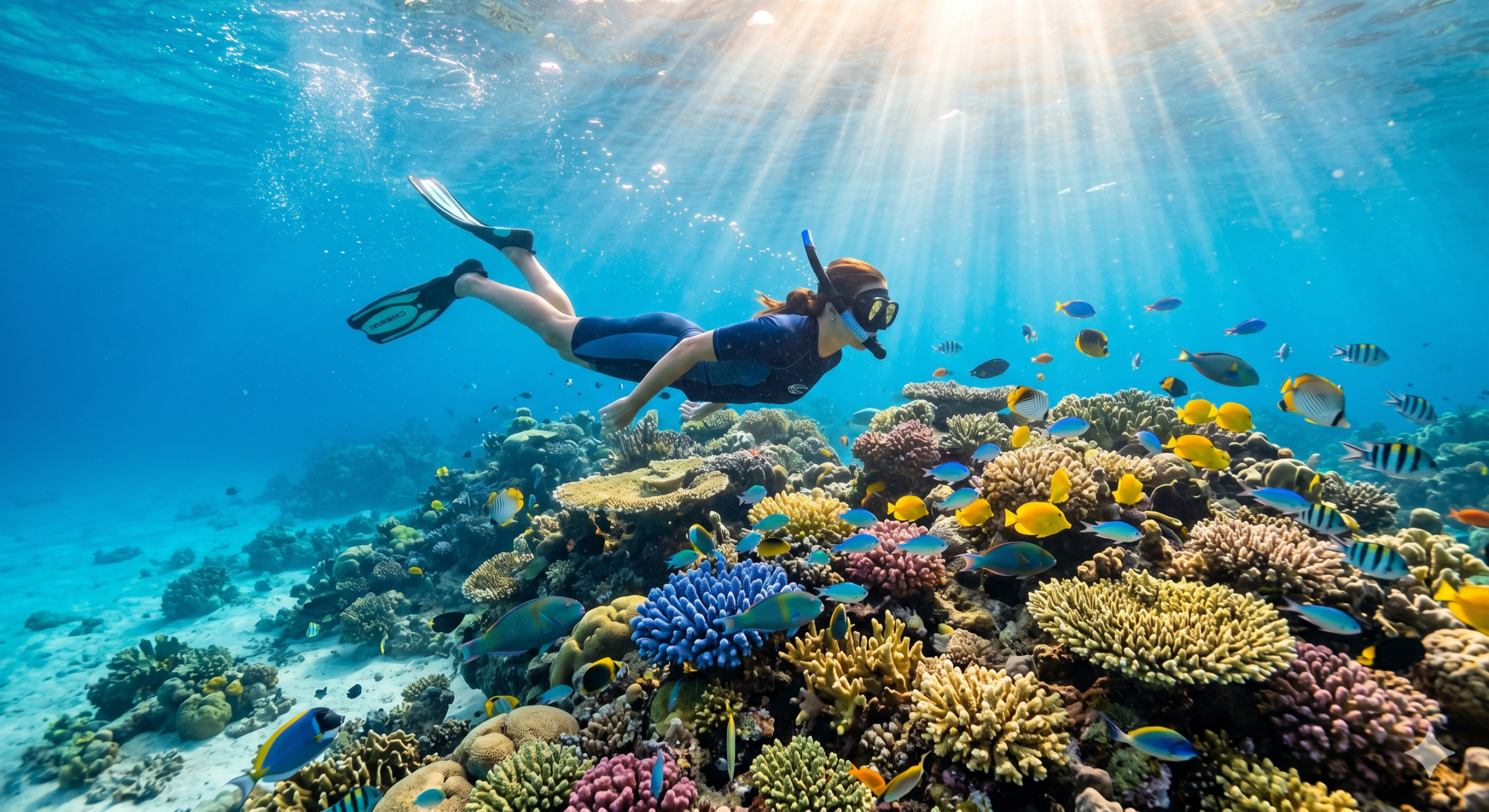
The period between December and February offers a different but equally appealing experience. This is Zanzibar’s short dry season, characterized by hotter temperatures and excellent ocean conditions.
During these months, temperatures can rise up to 32°C, and humidity levels increase, creating a more tropical feel. While this can be intense during midday, mornings and evenings remain comfortable, and the warm ocean provides a refreshing escape.
One of the biggest highlights of this period is water clarity. The ocean is often at its clearest, making it one of the best times for snorkeling and scuba diving. Visibility can be exceptional, allowing travelers to fully experience Zanzibar’s marine ecosystem.
This season is also popular for honeymooners and luxury travelers. Resorts tend to offer vibrant atmospheres, and the island feels more lively, especially around the holiday period in December.
However, due to increased demand, prices can rise during peak holiday weeks. Planning in advance is recommended to secure the best accommodations.
Key highlights:
- Hot and sunny days
- Warm ocean with excellent visibility
- Ideal for water activities
Best for:
- Snorkeling and scuba diving
- Honeymoon and luxury travel
- Beach-focused itineraries
Things to keep in mind:
- Humidity is higher than in June–October
- Midday heat can feel intense
- Popular during holiday season (especially December)
If you enjoy tropical heat and want the ocean at its clearest, this is a great choice.
March to May – Rainy Season (Budget Travel Option)
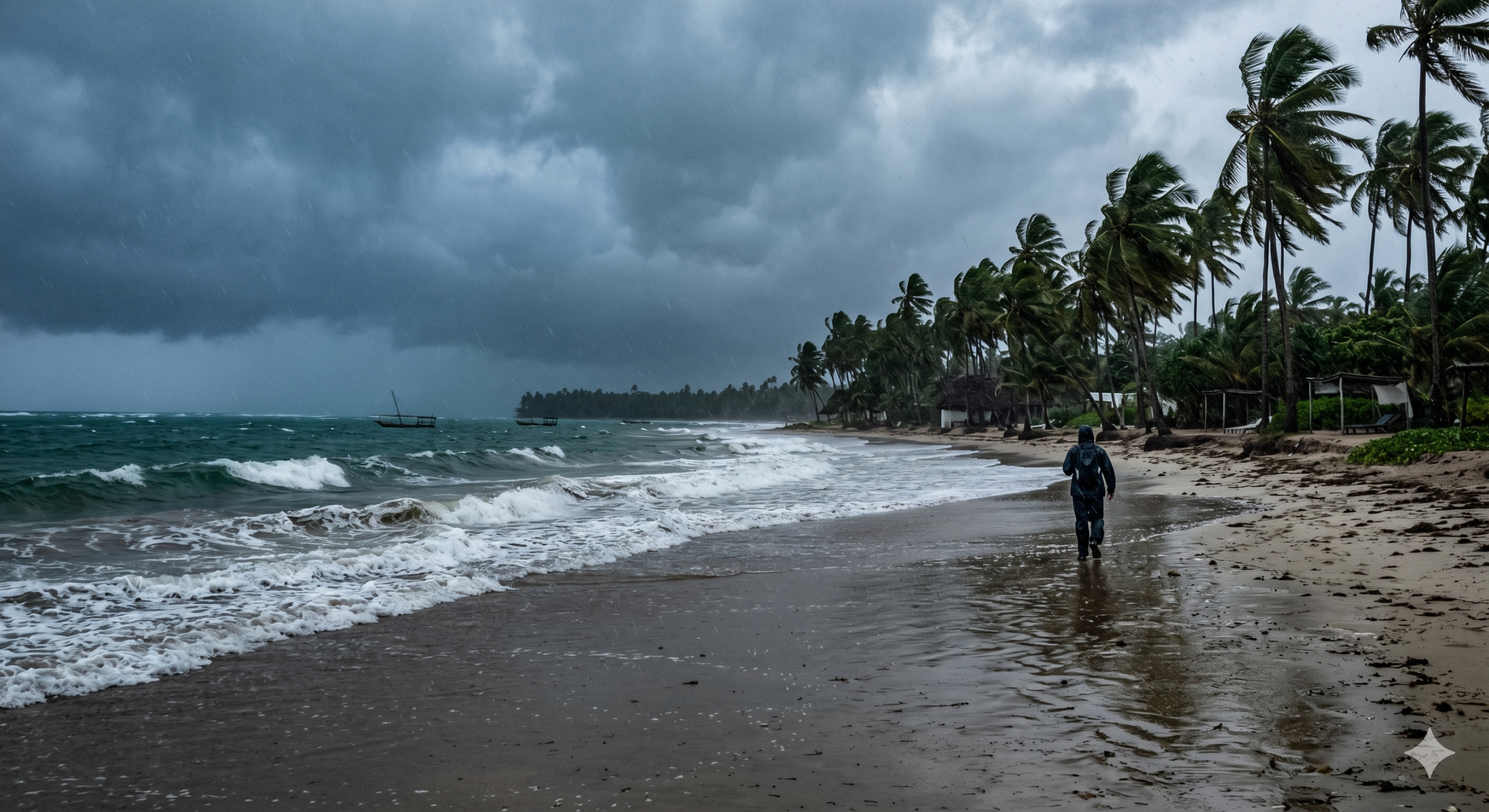
March to May marks the long rainy season in Zanzibar, and this is generally considered the least favorable time to visit. Rainfall during this period is more frequent and can last for extended hours, sometimes even days.
The combination of heavy rain and high humidity can make outdoor activities less enjoyable. Beaches may not be ideal for long stays, and water-based activities such as snorkeling or diving may be affected due to rough sea conditions and reduced visibility.
Despite these challenges, this season offers certain advantages. It is the least crowded time of the year, providing a quiet and peaceful atmosphere. Travelers who prefer solitude may find this appealing. Additionally, hotel rates are significantly lower, making it an attractive option for budget-conscious travelers.
It is important to note that some resorts may close temporarily during this period for maintenance, and travel plans may need to remain flexible due to weather conditions.
What to expect:
- Heavy and sometimes prolonged rainfall
- High humidity
- Rougher sea conditions
Impact on travel:
- Beach time may be limited
- Some resorts close for maintenance
- Travel plans can be disrupted
Advantages:
- Significantly lower prices
- Fewer tourists
- Quiet, peaceful atmosphere
This period is better suited for budget travelers or those who don’t mind adjusting plans around the weather.
November – Shoulder Season with Balanced Conditions
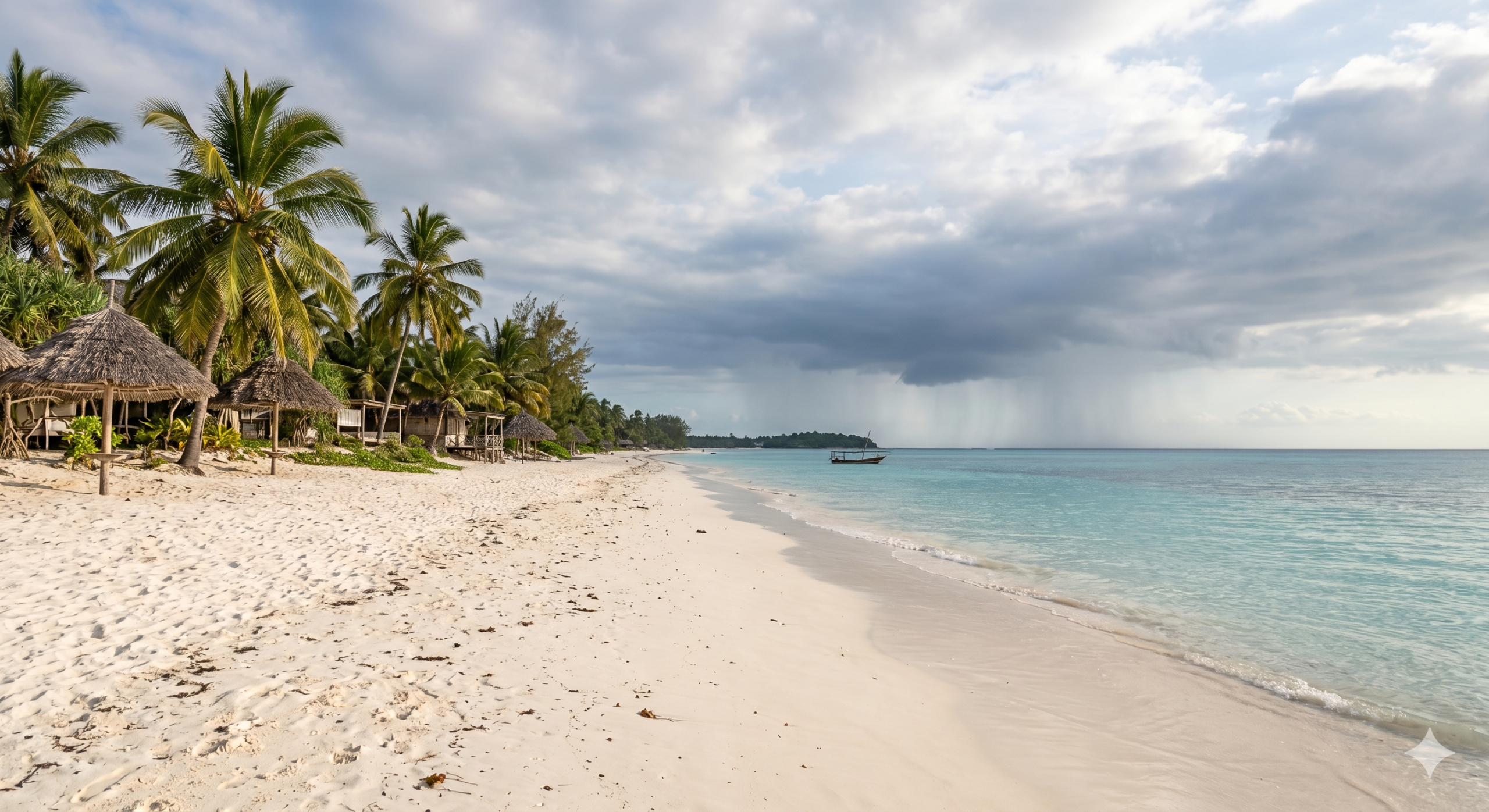
November is a transitional month that falls between the dry and rainy seasons. Rainfall occurs in short bursts rather than continuous downpours, allowing travelers to continue their activities without major interruptions.
This period offers a good balance between affordability and experience. Tourist numbers are lower than peak season, and hotel prices are more moderate. At the same time, the island remains vibrant, with enough sunshine for beach activities.
For travelers who want to avoid crowds but still enjoy a pleasant experience, November can be a practical choice.
Conditions:
- Short, scattered showers
- Plenty of sunshine in between
- Moderate humidity
Why consider November:
- Fewer tourists
- Better hotel rates
- Still enough good weather for beach activities
A good option if you want a quieter Zanzibar experience without the heavy rains of April and May.
Best Time Based on Travel Goals
For a classic beach holiday
June to October
For snorkeling and diving
December to February
For budget-friendly travel
March to May
For fewer crowds
November
Best Areas to Stay in Zanzibar (Important for Planning)
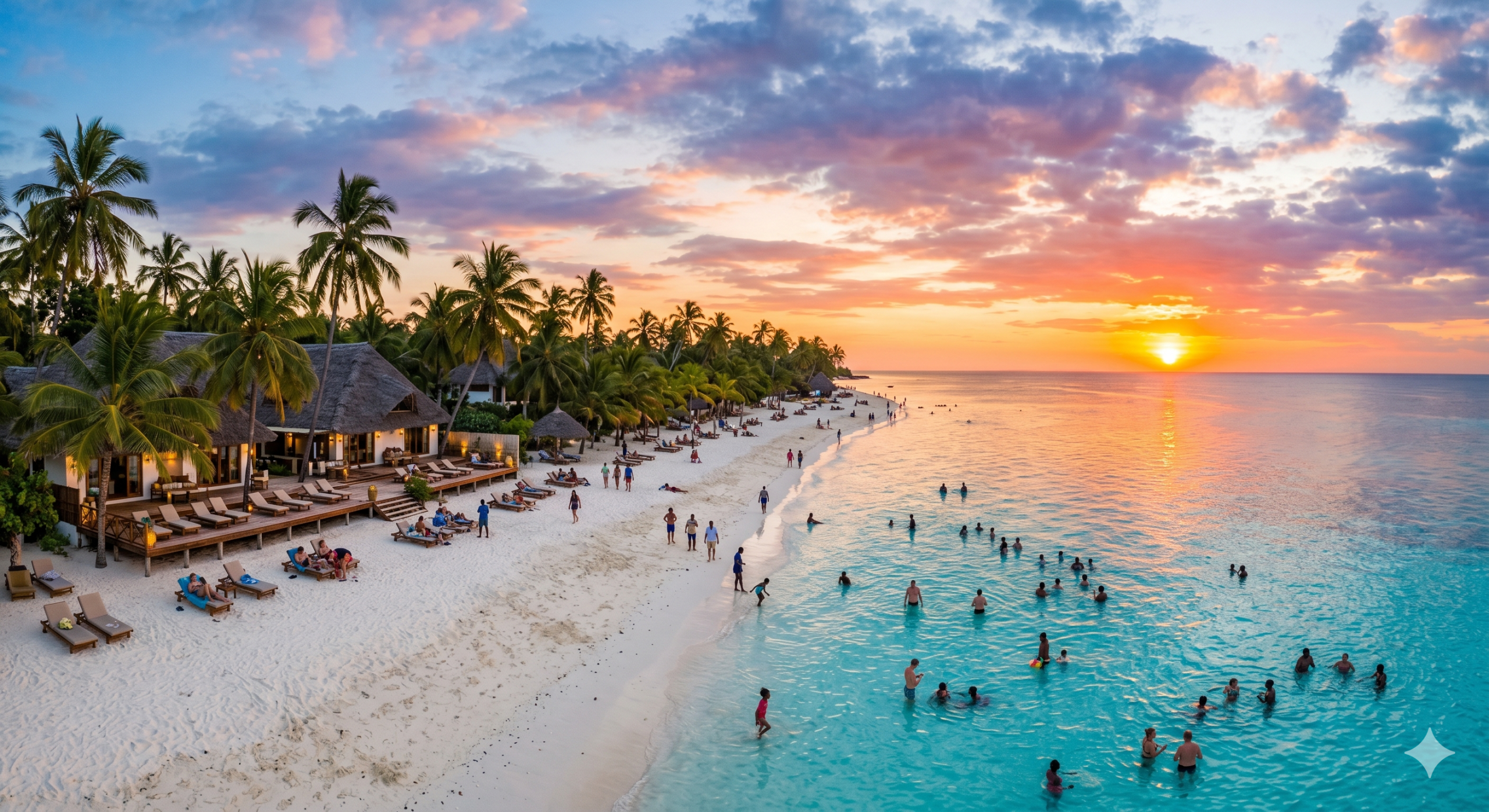
Timing ke saath location bhi matter karti hai:
Nungwi & Kendwa (North Coast)
- Best for swimming (no major tides)
- Ideal year-round
- Luxury + mid-range resorts
Paje & Jambiani (East Coast)
- Best for kite surfing
- Strong tides (swimming timing depend karta hai)
- Budget + boutique stays
Stone Town
- Cultural experience
- Short stay (1–2 nights enough)
Best Time for Snorkeling & Diving
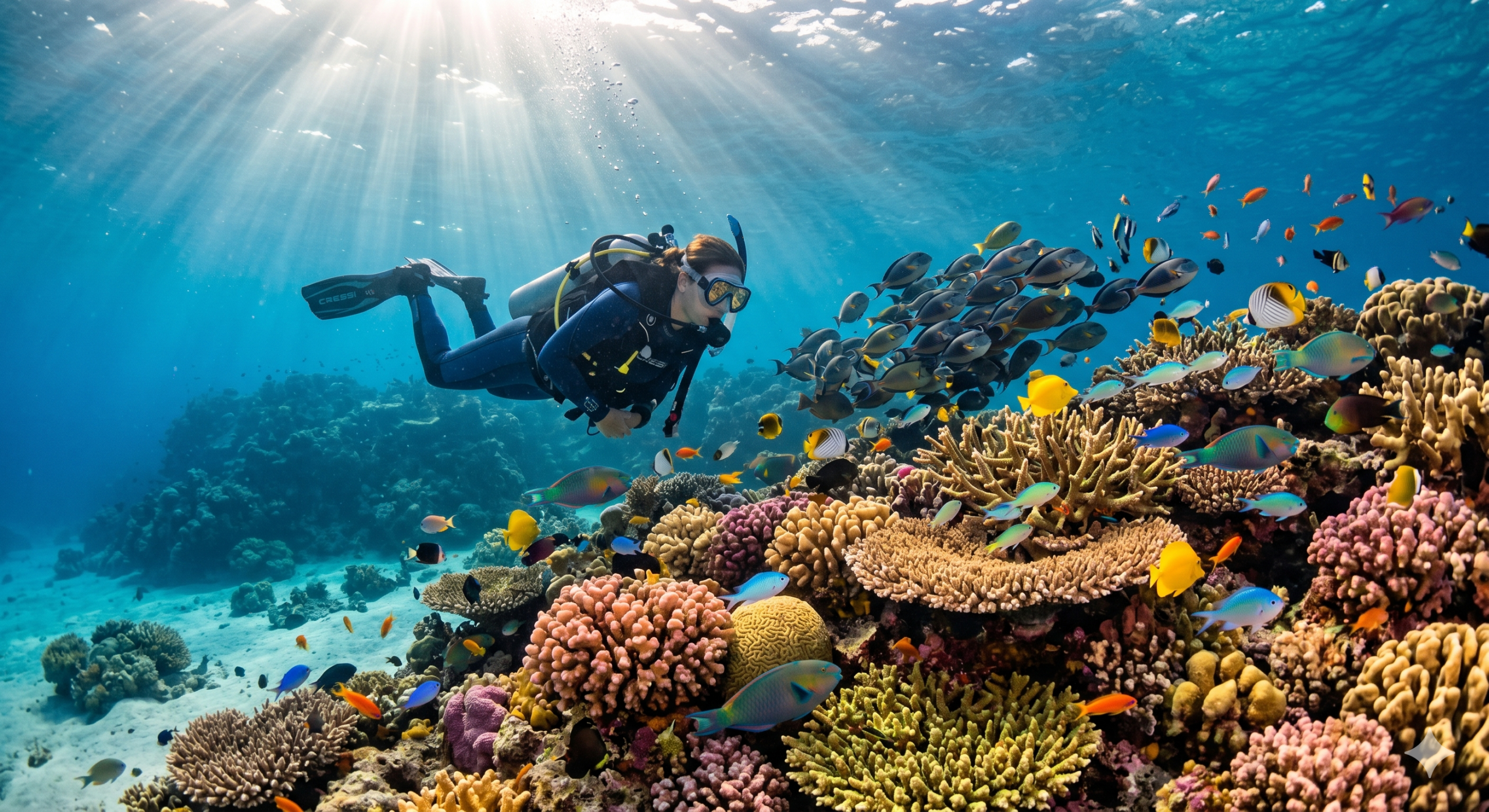
Ideal months:
- June–October
- December–February
Best spots:
- Mnemba Atoll
- Kendwa reef areas
Zanzibar Travel Costs by Season
| Season | Price | Experience |
| Jun–Oct | High | Best weather |
| Dec–Feb | Medium–High | Best water |
| Mar–May | Low | Budget |
| Nov | Medium | Balanced |
FAQs about Best Time to Visit Zanzibar
Which months offer the best weather in Zanzibar?
June, July, August, and September are considered the best months in terms of overall weather. During this period, you can expect clear skies, comfortable temperatures, and minimal rainfall, making it perfect for both relaxation and exploration.
When is the best time to visit Zanzibar for snorkeling and diving?
The best time for snorkeling and diving is during June to October and December to February. Water visibility is highest during these months, allowing you to clearly see coral reefs and marine life, especially around areas like Mnemba Atoll.
Is Zanzibar worth visiting during the rainy season?
Zanzibar can still be visited during the rainy season (March to May), but the experience may be limited due to heavy rainfall and high humidity. However, this period offers lower prices and fewer crowds, making it suitable for budget travelers who are flexible with their plans.
What is the cheapest time to visit Zanzibar?
The most affordable time to visit Zanzibar is between March and May. During this low season, many hotels offer discounted rates, and tourist numbers are significantly lower.
Does it rain all day in Zanzibar during the rainy season?
Not always. While the long rainy season (March to May) can bring heavy and extended rainfall, the short rains in November usually come in brief showers followed by sunshine. Travel is still possible, especially during November.
Which side of Zanzibar is best for staying?
The north coast (Nungwi and Kendwa) is best for swimming as it is less affected by tides. The east coast (Paje and Jambiani) is ideal for kite surfing but has strong tidal changes that affect swimming times.
Is Zanzibar too hot in December and January?
December and January can be warm and humid, with temperatures reaching up to 32°C. However, the ocean remains warm and refreshing, and mornings and evenings are comfortable for activities.
Can Zanzibar be combined with a Tanzania safari?
Yes, Zanzibar is commonly combined with a Tanzania safari. The best time for this combination is June to October, when both safari conditions and beach weather are at their best.
How many days are enough for Zanzibar?
A typical Zanzibar trip lasts between 3 to 5 days. This allows enough time for beach relaxation, water activities, and exploring Stone Town.
When is Zanzibar least crowded?
Zanzibar is least crowded during March to May and November. These months offer a quieter and more relaxed experience compared to the peak season.
What should I pack for Zanzibar?
Light, breathable clothing, sunscreen, sunglasses, swimwear, and comfortable footwear are essential. It is also advisable to carry modest clothing when visiting cultural areas like Stone Town.
Final Conclusion
Zanzibar is a destination that can be enjoyed throughout the year, but the quality of your experience depends largely on choosing the right time to visit. Each season brings its own advantages, whether it’s perfect beach weather, excellent underwater visibility, or more affordable travel options.
For most travelers, the months between June and October offer the most comfortable and reliable conditions, with pleasant weather, calm seas, and ideal beach experiences. If your focus is on snorkeling, diving, or enjoying warmer ocean temperatures, December to February can be equally rewarding. On the other hand, those looking to travel on a budget or avoid crowds may consider the quieter months, keeping in mind the trade-offs in weather.
Beyond just timing, planning your stay in the right part of the island, understanding tide patterns, and aligning your activities with seasonal conditions can significantly enhance your trip. Zanzibar is not just about beaches—it’s about experiencing the island at the right moment.
With the right planning, Zanzibar offers a well-rounded travel experience that combines relaxation, culture, and natural beauty in one destination.