The shoulder months offer a balance between favorable weather, good wildlife viewing, and moderate pricing.
Highlights:
- Calving season in January and February
- Pleasant temperatures and manageable rainfall
- Fewer crowds compared to peak months
Best suited for: Travelers looking for a balance between cost, comfort, and wildlife activity
The Great Wildebeest Migration: When to Go
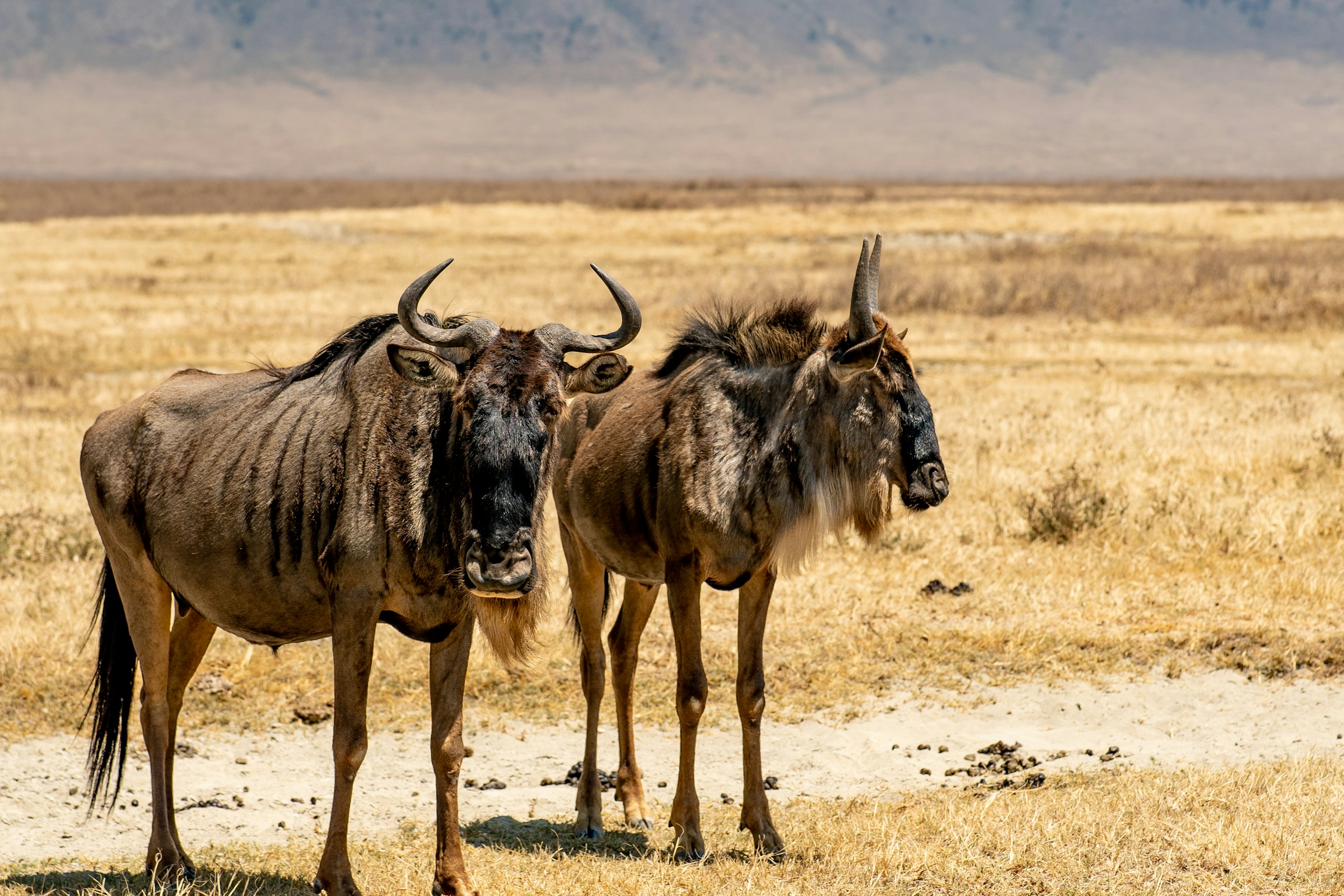
The Great Wildebeest Migration is one of the most iconic wildlife spectacles in the world. However, its timing varies throughout the year as the herds move in a circular pattern across the Serengeti ecosystem.
Migration Calendar Overview:
- January – March: Calving season in southern Serengeti (Ndutu region)
- April – June: Herds begin moving north
- July – September: River crossings in northern Serengeti (peak viewing period)
- October – December: Movement back toward the south
While July to September is often considered the best time to witness river crossings, the migration offers unique experiences throughout the year.
Month-by-Month Tanzania Safari Guide
January – February
Calving season provides excellent opportunities to witness predator-prey interactions. Weather is generally warm and comfortable.
March – May
The long rains bring fewer visitors and lower prices. Some lodges may close, and travel conditions can be challenging.
June
Marks the beginning of the dry season. Wildlife viewing improves, and visitor numbers are still relatively moderate.
July – September
Peak safari months with outstanding wildlife viewing and migration river crossings.
October
End of the dry season with excellent game viewing and slightly fewer crowds.
November – December
Short rains begin, offering quieter parks and greener landscapes.
Best Time Based on Travel Goals
Choosing the best time depends on your priorities:
- For wildlife viewing: June to October
- For the Great Migration (river crossings): July to September
- For calving season: January to February
- For budget travel: March to May
- For fewer crowds: November and early December
Combining Safari with Other Experiences
Many travelers combine a safari with additional experiences in Tanzania:
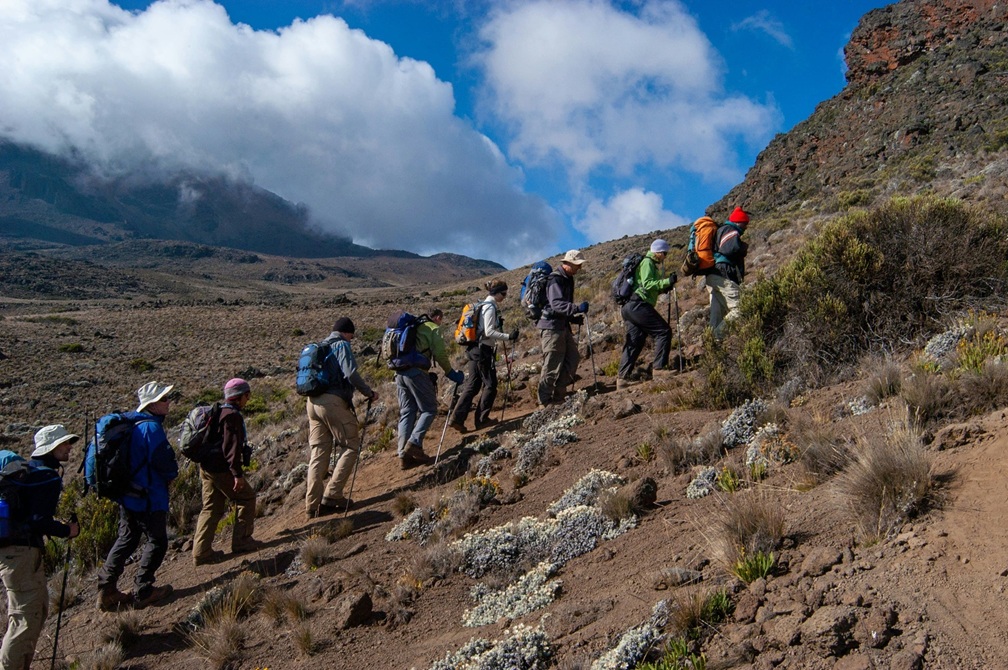
Mount Kilimanjaro
Best climbing conditions occur during:
- January to March
- June to October
Zanzibar Beaches
Ideal beach weather:
- June to October
- December to February
This combination allows for a well-rounded itinerary including wildlife, adventure, and relaxation.
Tanzania Safari Costs by Season
Pricing varies depending on demand:
- High season (June–October): Premium pricing due to peak demand
- Shoulder season: Moderate pricing with good availability
- Low season (March–May): Best deals, but with weather trade-offs
Booking in advance is strongly recommended, particularly for peak months.
Practical Travel Tips
- Plan and book at least 3–6 months in advance
- Choose a reputable and experienced tour operator
- Pack for varying temperatures (cool mornings and warm afternoons)
- Include multiple parks in your itinerary for a diverse experience
Conclusion
There is no single “perfect” time to visit Tanzania. Instead, the best time depends on what you want from your safari experience.
- The dry season offers the most reliable wildlife viewing
- The green season provides unique landscapes and better value
- The migration can be experienced year-round, with different highlights each month
With proper planning, Tanzania delivers an exceptional safari experience regardless of when you choose to visit.
FAQs about Best Time to Visit Tanzania Safari
The best time to visit Tanzania for a safari is during the dry season from June to October. During this period, wildlife is easier to spot as animals gather around water sources and vegetation is less dense.
Great Wildebeest Migration happens throughout the year, but the most dramatic river crossings usually occur between July and September in the northern Serengeti.
Yes, a Tanzania safari during the rainy (green) season can be very rewarding. The landscapes are lush, there are fewer tourists, and prices are lower. It is also the best time for birdwatching and calving season.
The most affordable time to visit Tanzania is during the long rainy season from March to May, when many lodges offer discounted rates and tourist numbers are low.
The best time to see the Big Five (lion, leopard, elephant, rhino, and buffalo) is during the dry season from June to October, when animals are more concentrated and easier to track.
It is recommended to book your Tanzania safari at least 3 to 6 months in advance, especially if you are traveling during the peak season (June to October).
Yes, January is an excellent time to visit Tanzania, particularly for the calving season in the southern Serengeti, where thousands of wildebeest give birth and predator activity is high.
The best time to visit Zanzibar is from June to October and December to February, when the weather is dry and ideal for beach activities.
Yes, the Great Migration is a year-round event, but its location changes. Different months offer different experiences, such as calving in January–March and river crossings in July–September.
Yes, Tanzania is considered a safe destination for safari travel when you book with a reputable tour operator and follow basic travel guidelines.
For first-time travelers, the best months are June to October, as wildlife viewing is most consistent and weather conditions are ideal.
No, rain in Tanzania is usually in short bursts rather than all day. Safaris can still be conducted, especially during the short rains (November–December).