Wildbeest Migration Month by Month
Chasing the Herds: Following the Wildebeest Migration Month by Month
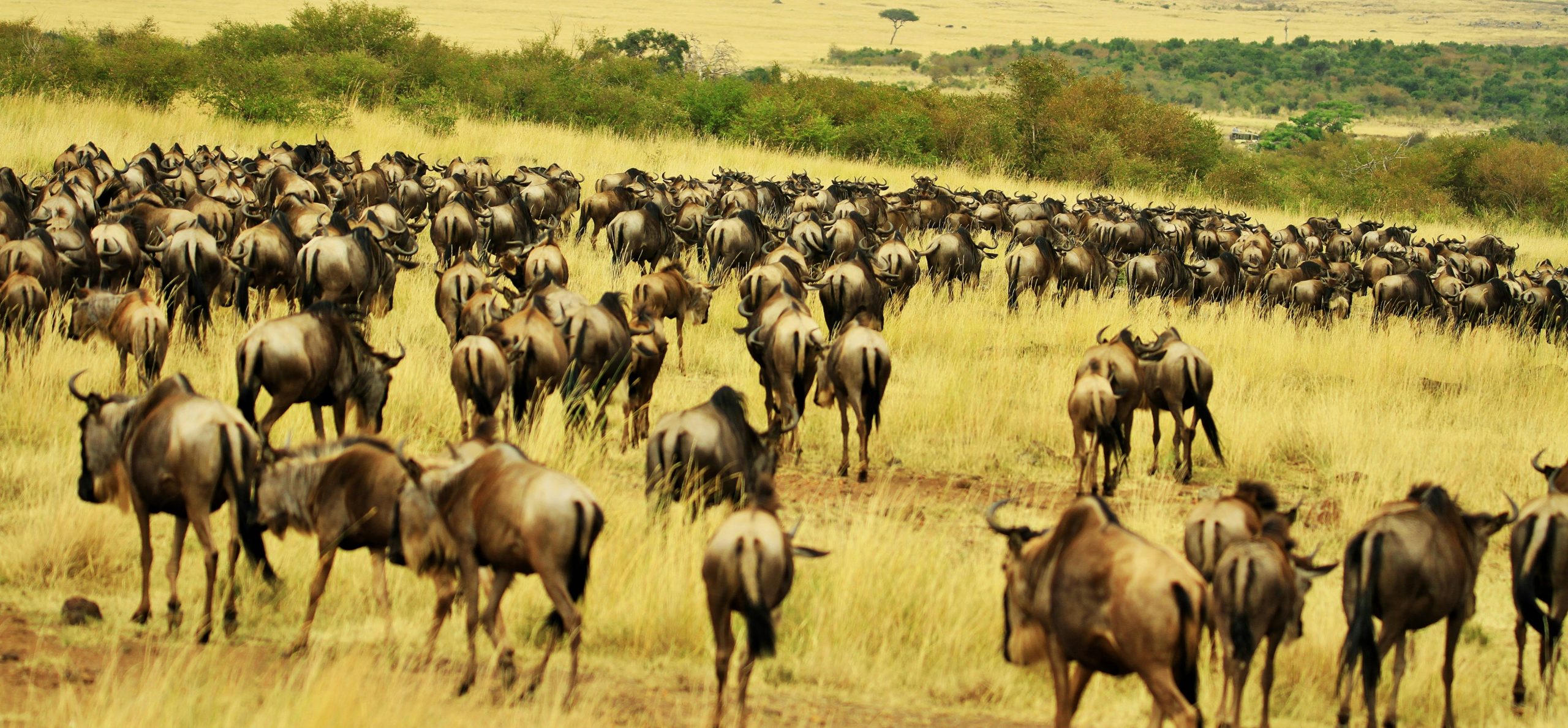
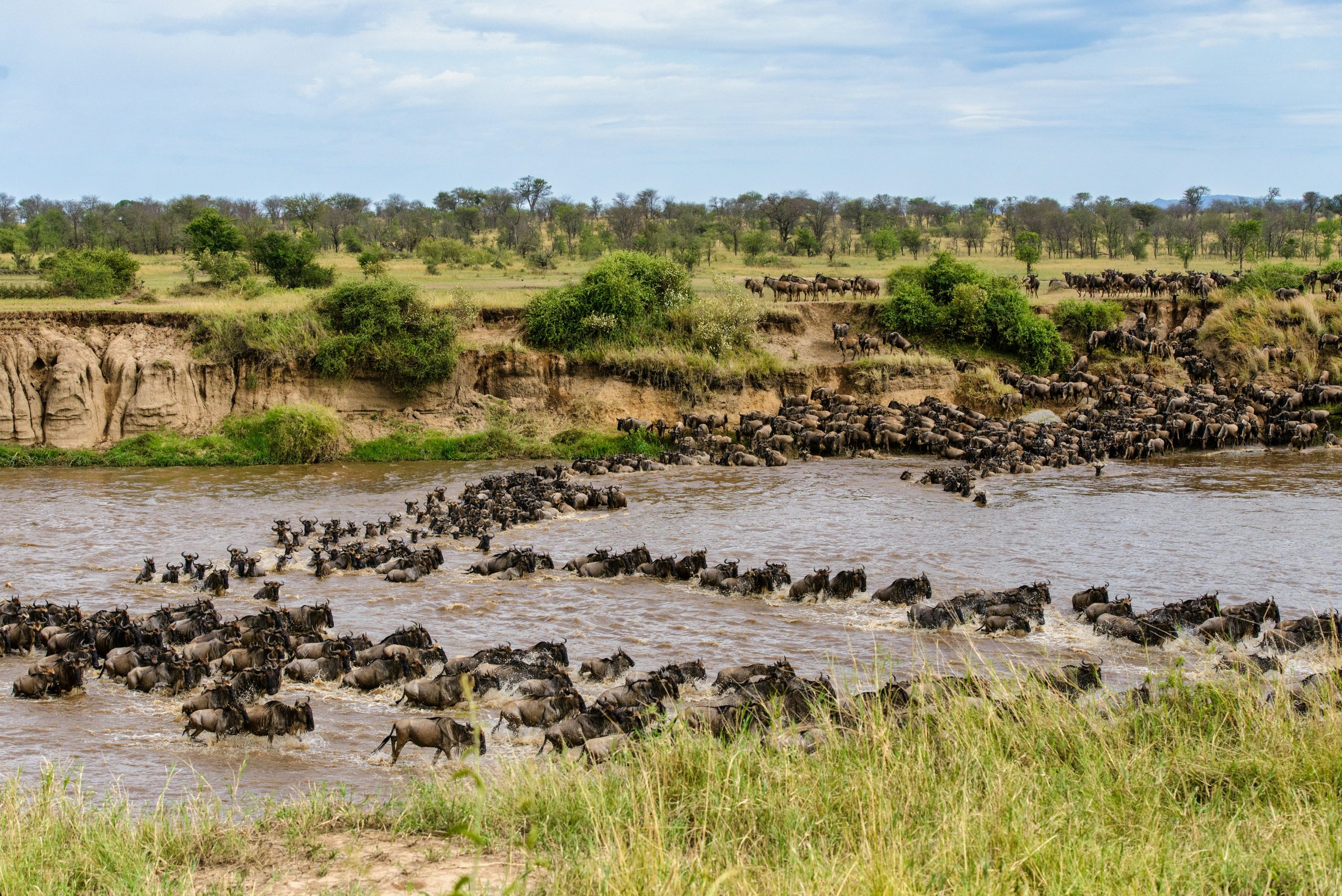
The wildebeest migration is one of the most spectacular wildlife events in Africa, primarily occurring in the Serengeti ecosystem of Tanzania and the Maasai Mara in Kenya. It is a continuous, circular movement of hundreds of thousands of wildebeests, zebras, and other herbivores in search of fresh grass and water. The migration follows a general pattern throughout the year, but keep in mind that exact timing can vary from year to year based on rainfall and other environmental factors. Here’s a month-by-month overview of the wildebeest migration’s movement
January – March
During these months, the wildebeest herds are typically in the southern Serengeti and the Ngorongoro Conservation Area in Tanzania.
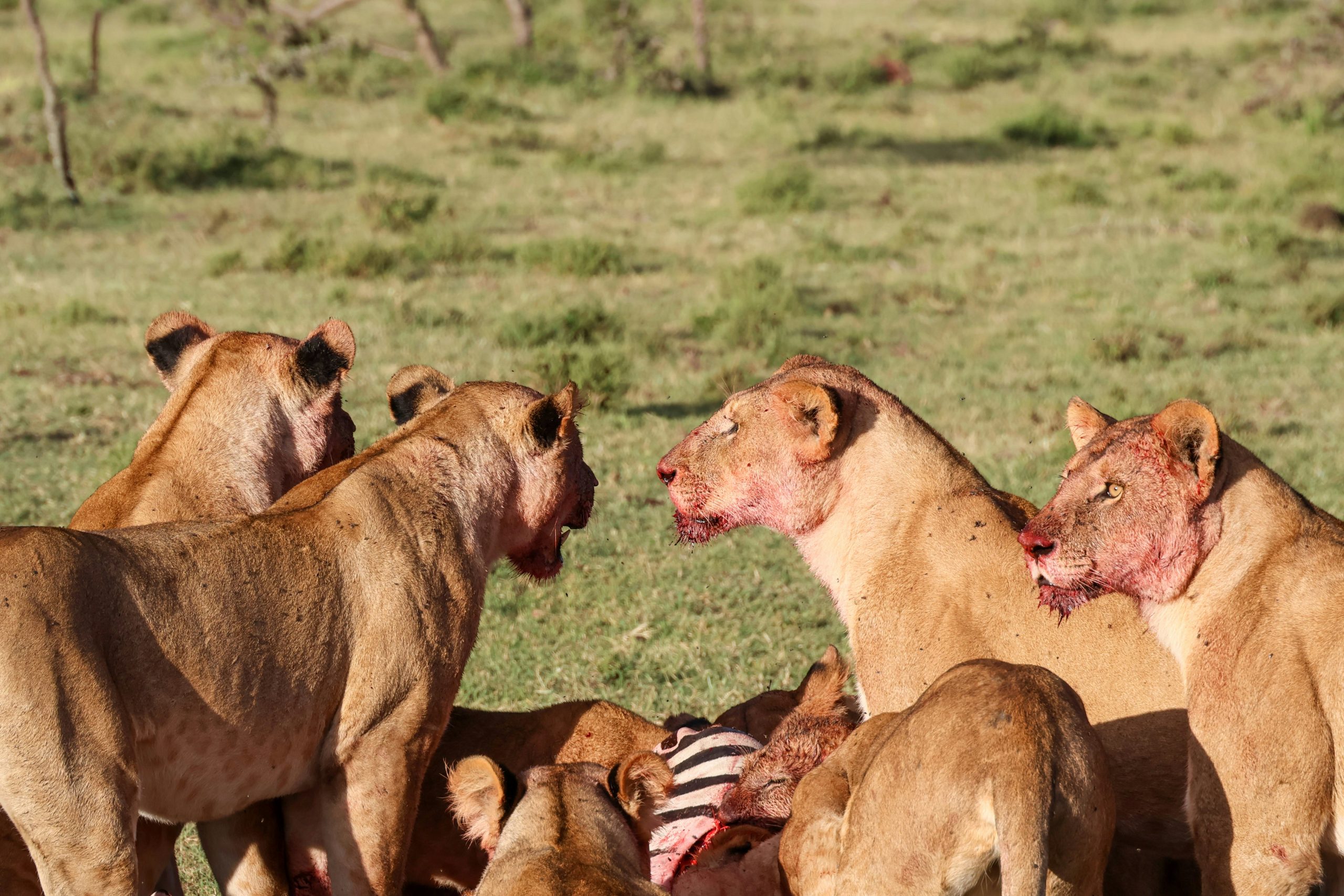
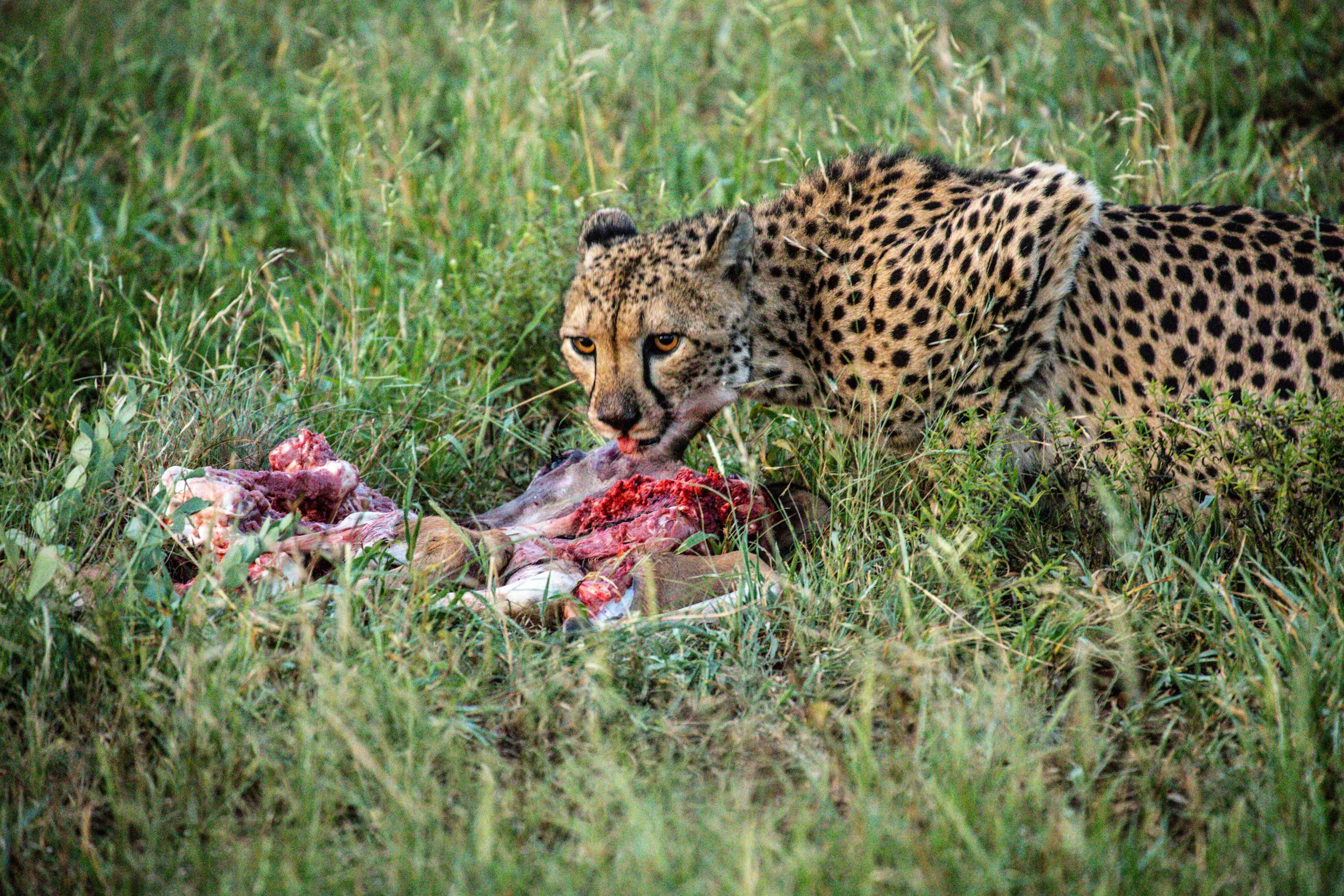
Calving season begins in January and continues into February. This is a critical time for predators as they target vulnerable newborns.
The grass is lush and green during this period, attracting the wildebeests and other herbivores.

April
By April, the herds start moving northwest, heading towards the central Serengeti.
They continue to graze on the now-depleted grass in the southern plains.
May – June
The migration typically reaches the central Serengeti during these months.
Wildebeests and zebras spread out as they search for fresh grazing areas.
This is a good time to witness river crossings, especially along the Grumeti and Mbalageti Rivers.
July – August
The migration continues moving northward into the northern Serengeti.
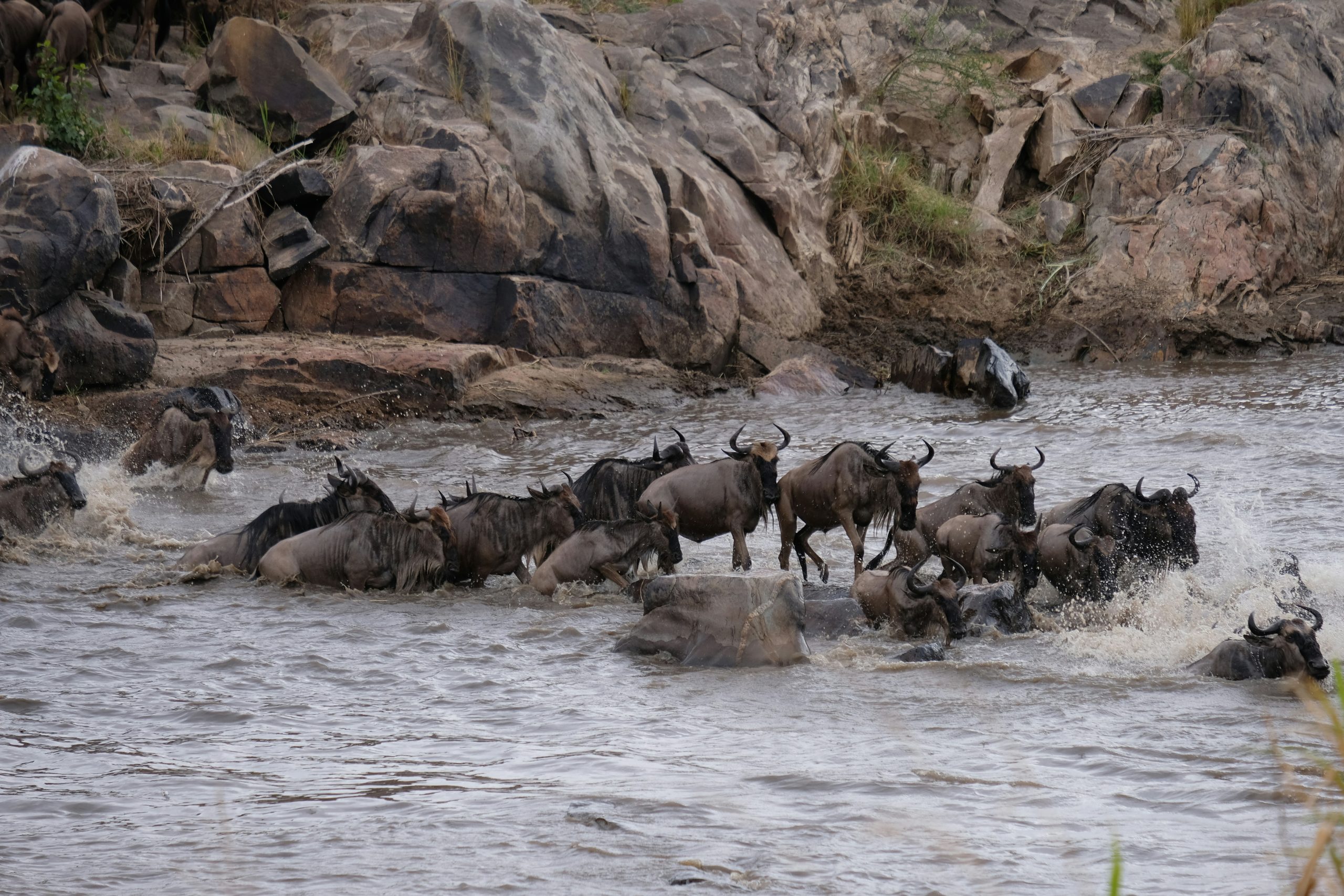
River crossings, particularly at the Mara River (the border between Tanzania and Kenya), are iconic during this time.
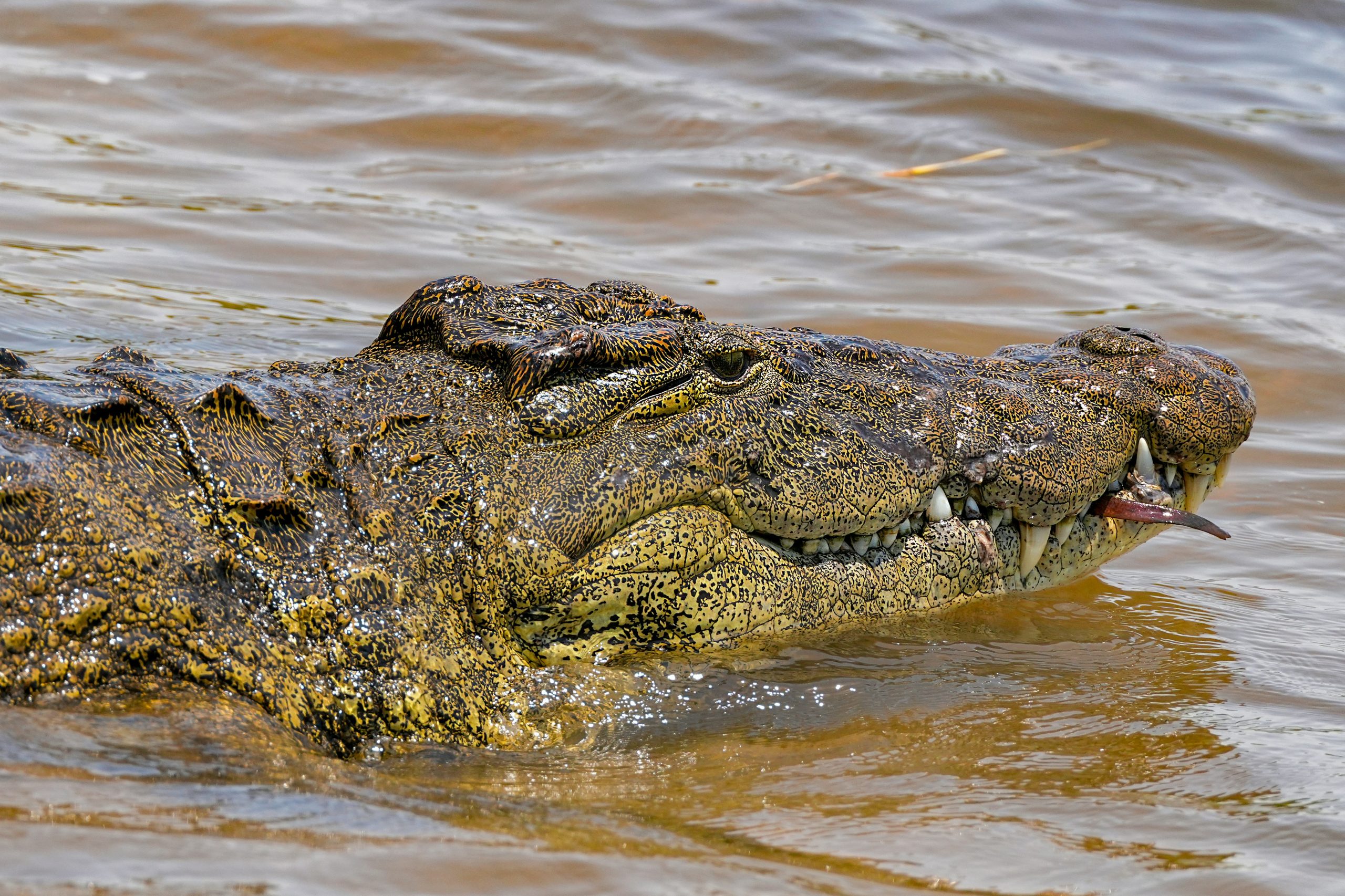
Large crocodile populations gather in the rivers to prey on migrating animals.
September – October
The herds often remain in the northern Serengeti and may cross into the Maasai Mara in Kenya.
This is the time when you can witness dramatic river crossings in the Mara River between the Serengeti National Park and the Masai Mara Game Reserve.
November – December
As the short rains begin in November, the herds start their journey southwards again, leaving the Maasai Mara and returning to the Serengeti.
The cycle continues as they head back to the southern Serengeti, where the calving season will start again in January.
Note
The exact timing of the migration can vary depending on rainfall patterns and local conditions, so it’s essential to check with us for the most current information if you plan to witness this incredible natural phenomenon.