The Great Wildebeest Migration
The Great Wildebeest Migration Safari in Tanzania

Witness the Greatest Wildlife Show on Earth

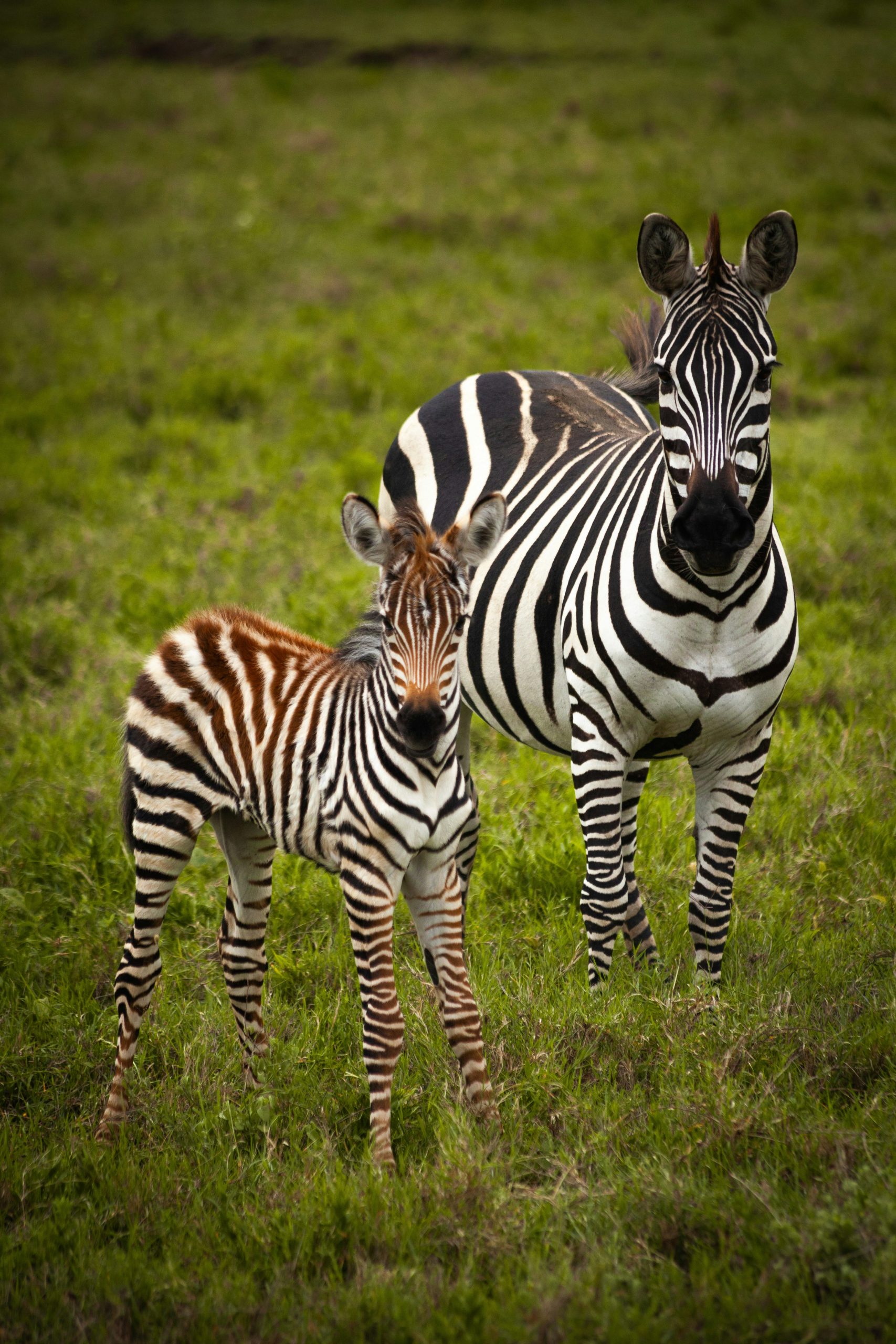
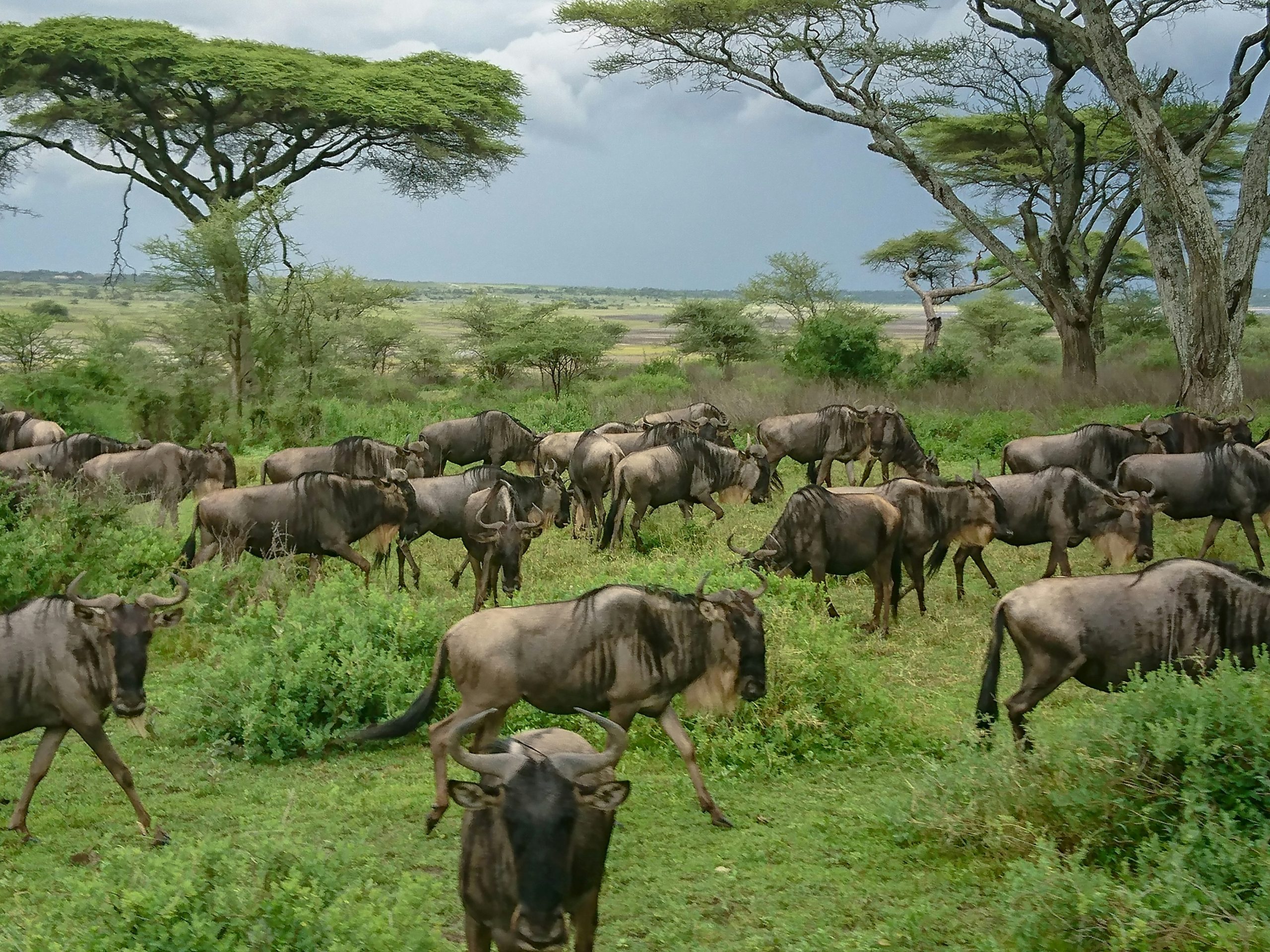
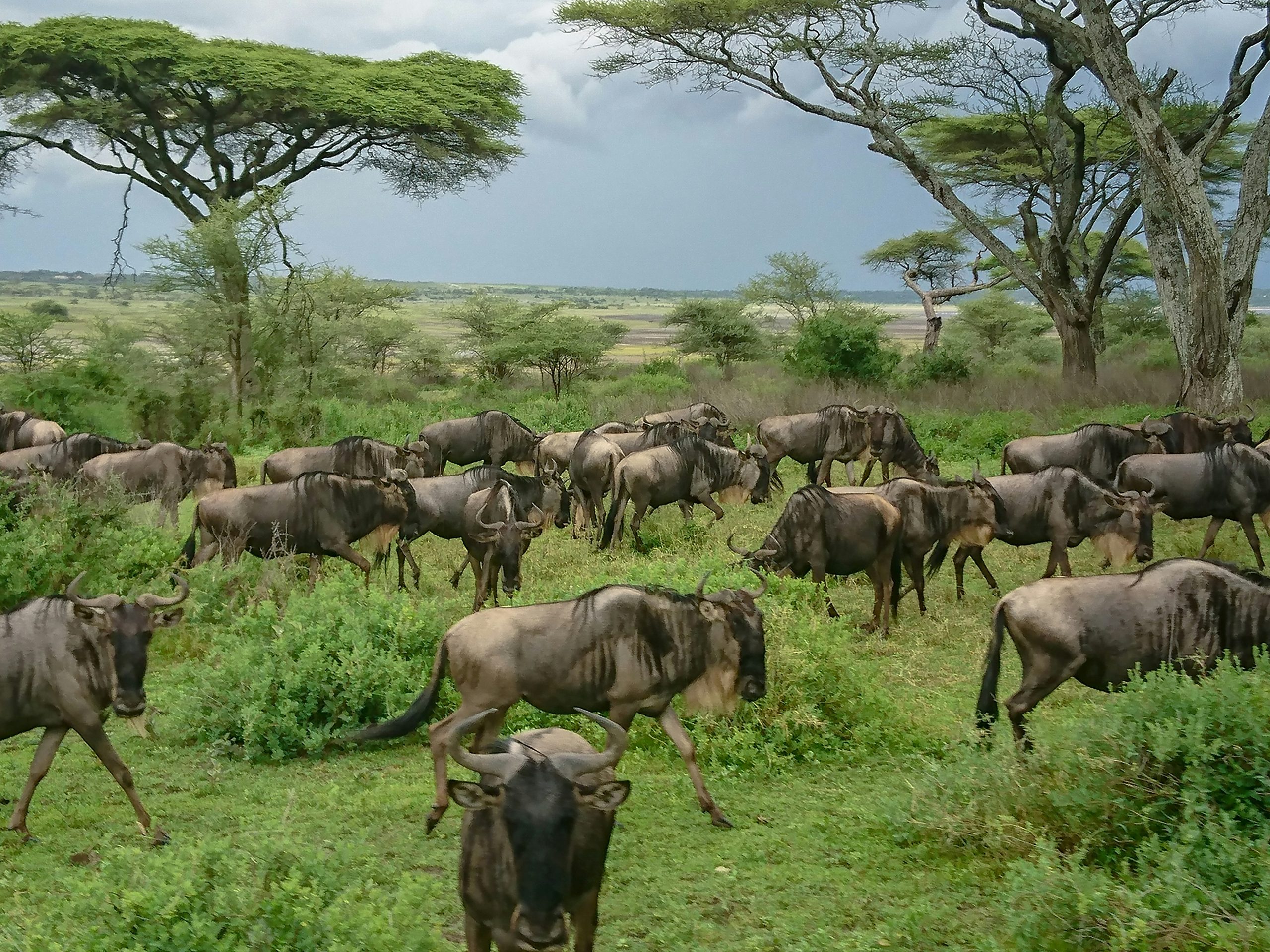
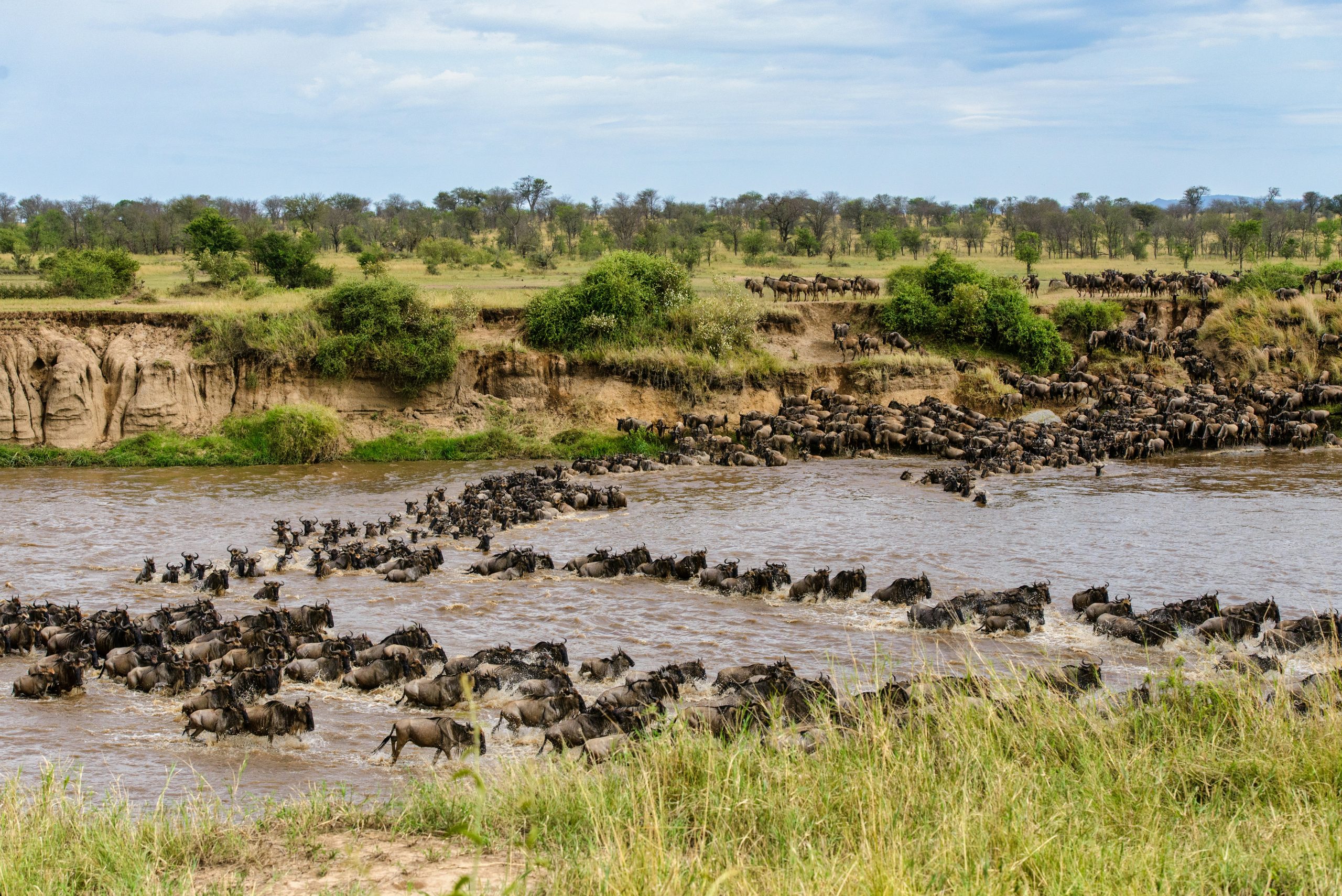
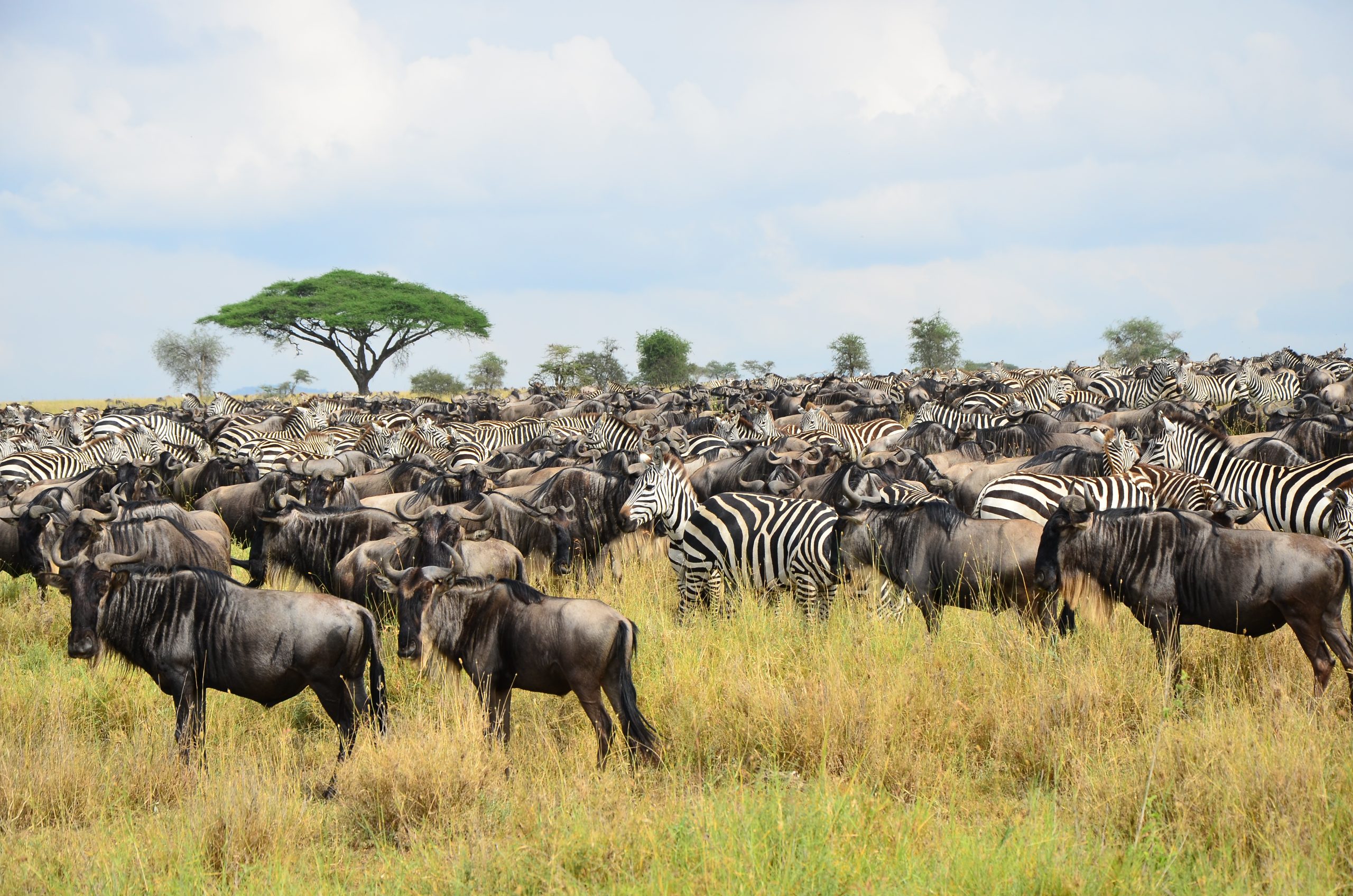
Imagine standing on the vast, golden plains of the Serengeti as the ground trembles beneath the hooves of over two million wildebeest, zebras, and antelope, surging forward in a thundering, instinct-driven journey. This is the Great Wildebeest Migration – the largest and most dramatic animal migration on the planet – and Tanzania is its beating heart.

This once-in-a-lifetime safari experience is not just about sheer numbers. It’s about survival, spectacle, and strategy – and it offers nature lovers, photographers, and adventurers a front-row seat to one of the Earth’s most awe-inspiring cycles.

What is the Great Migration?

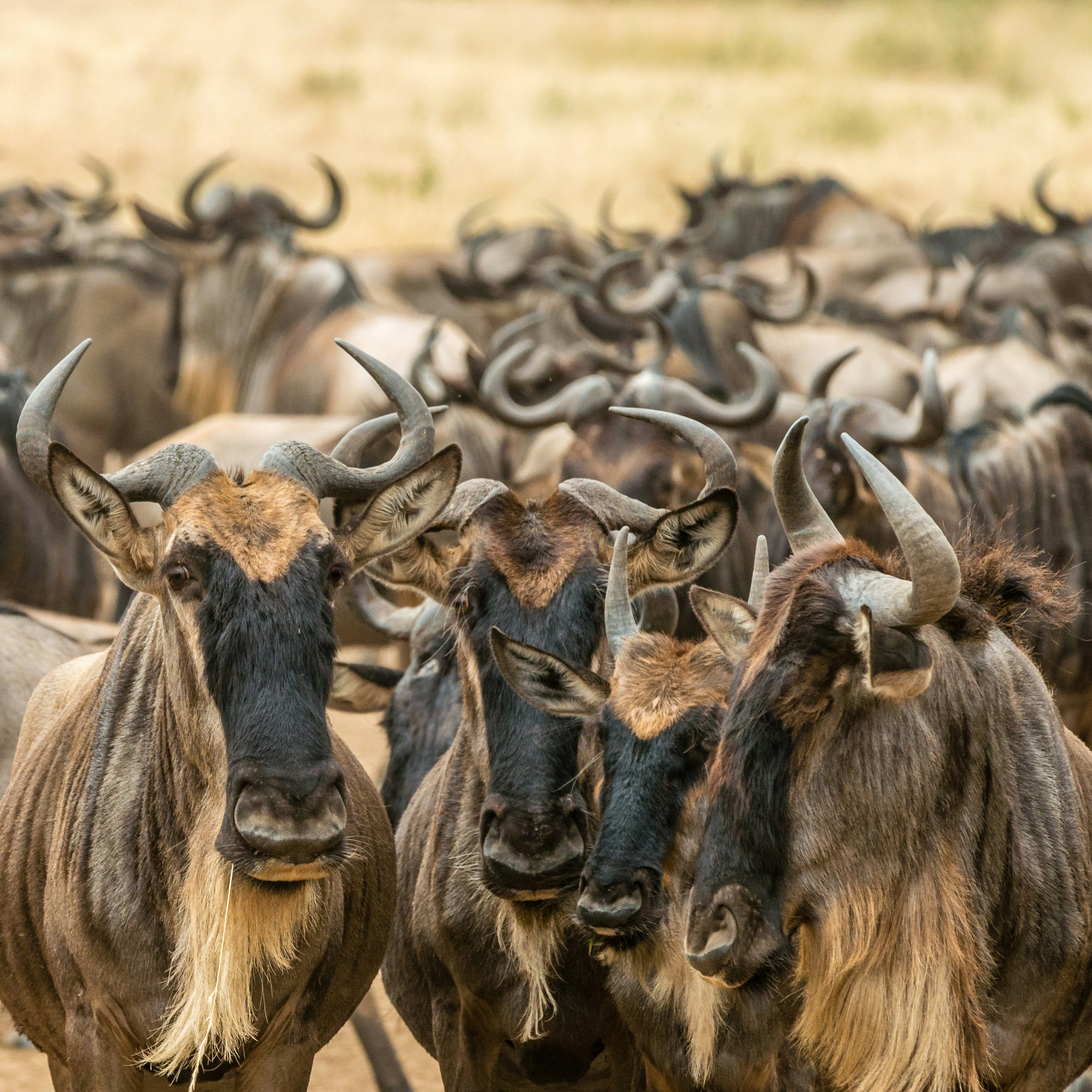
The Great Wildebeest Migration is an annual circular movement of over 2 million animals through the Serengeti ecosystem (Tanzania) and the Maasai Mara (Kenya), in search of fresh grazing and water.

It involves

This massive movement is dictated by the rains and the availability of pasture. While Kenya plays a small part, Tanzania is where the migration spends over 80% of its time – making it the premier destination to witness this epic natural drama.

When Does the Migration Happen?

The Great Migration is a year-round event, with different stages happening in specific regions of Tanzania. Here’s a detailed month-by-month migration calendar:

December – March: Calving Season in Southern Serengeti & Ndutu (Ngorongoro Conservation Area)

Where: Ndutu plains and southern Serengeti

What Happens: Wildebeest gather in massive herds to give birth. Around 8,000 calves are born every day in peak season.

What to Expect:

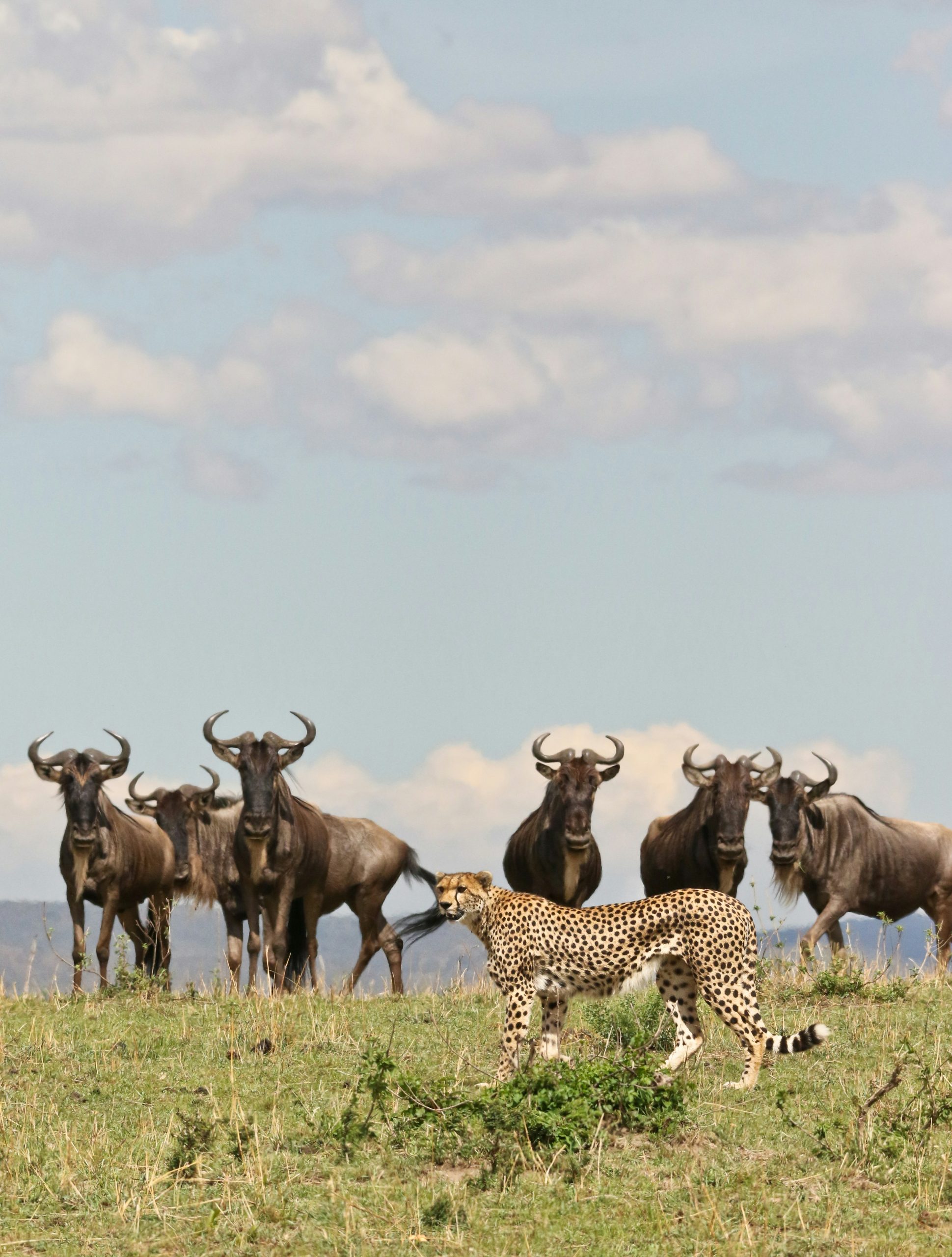
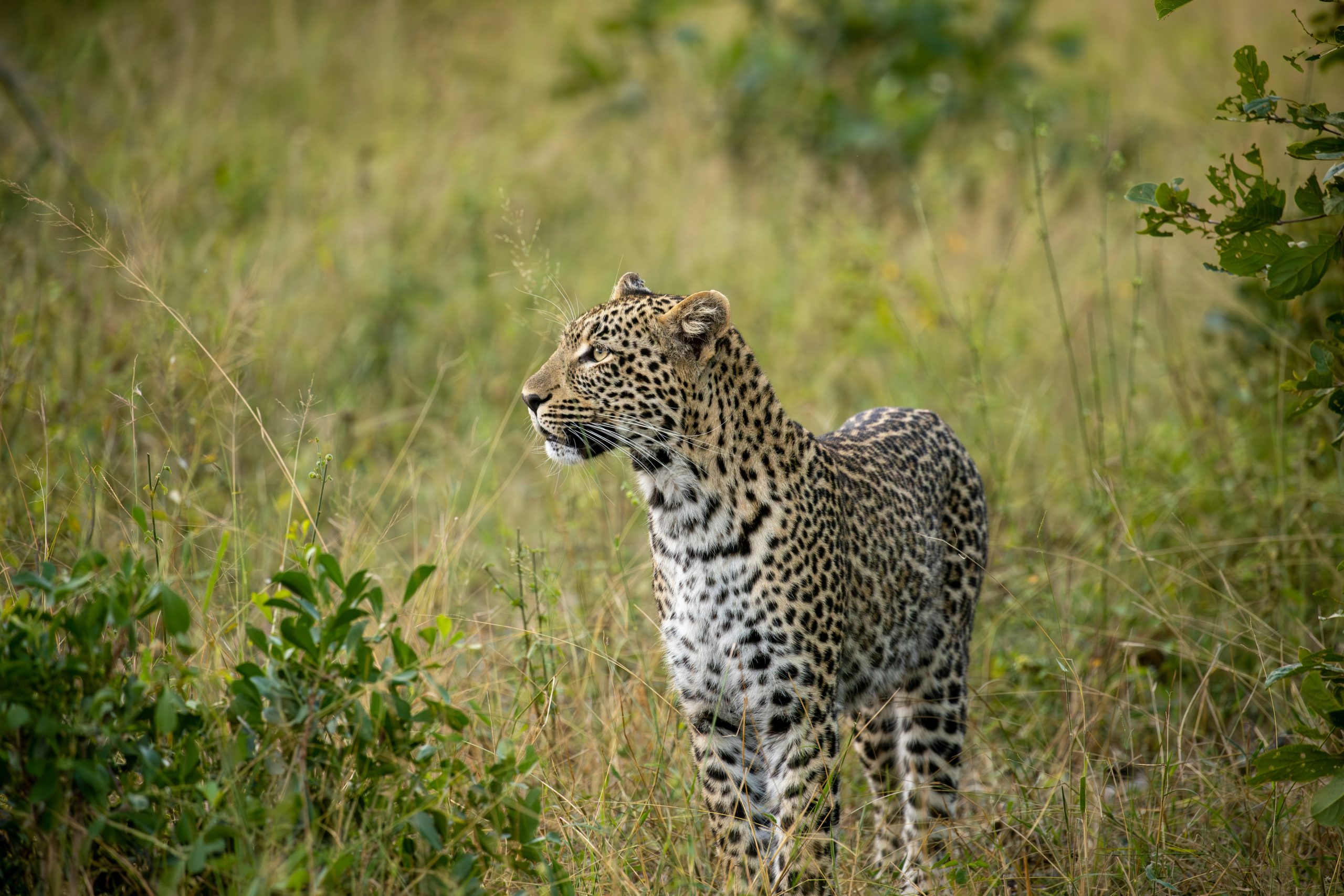
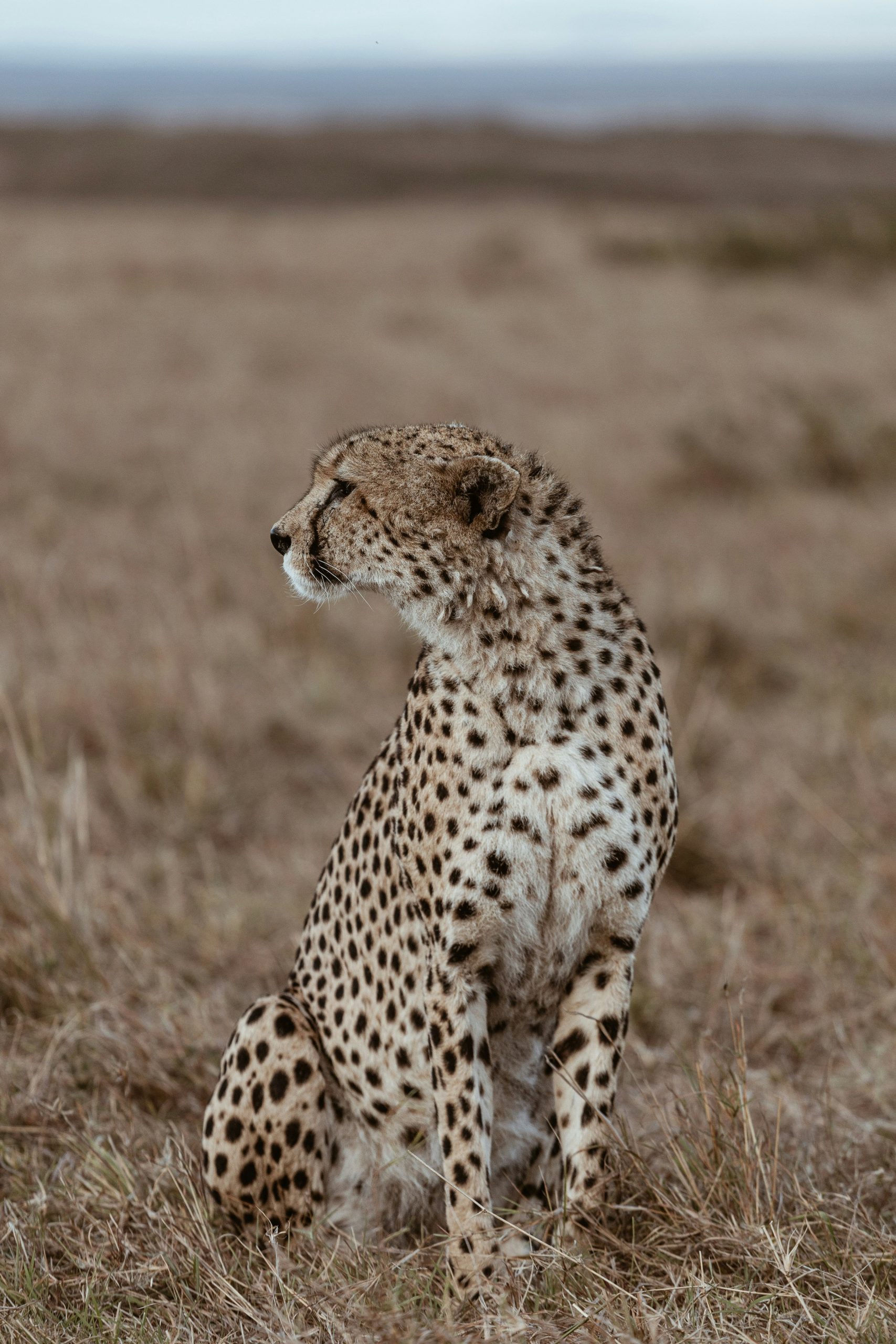
Predator action: lions, hyenas, cheetahs, and leopards stalking newborns

Open landscapes with amazing visibility

Photographic opportunities of baby animals and dramatic hunts

Best for: Calving season safaris, wildlife photographers, and predator-prey encounters

April – May: Green Season & Herds Begin Moving North

Where: Central Serengeti (Seronera region)

What Happens: Long rains arrive, and herds begin to disperse northward

What to Expect:

Lush, green landscapes and fewer tourists

Excellent resident wildlife viewing despite heavier rains

Good deals on lodges and camps (low season)

June – July: Grumeti River Crossing & Northern Journey Begins

Where: Western Serengeti & Grumeti Reserve

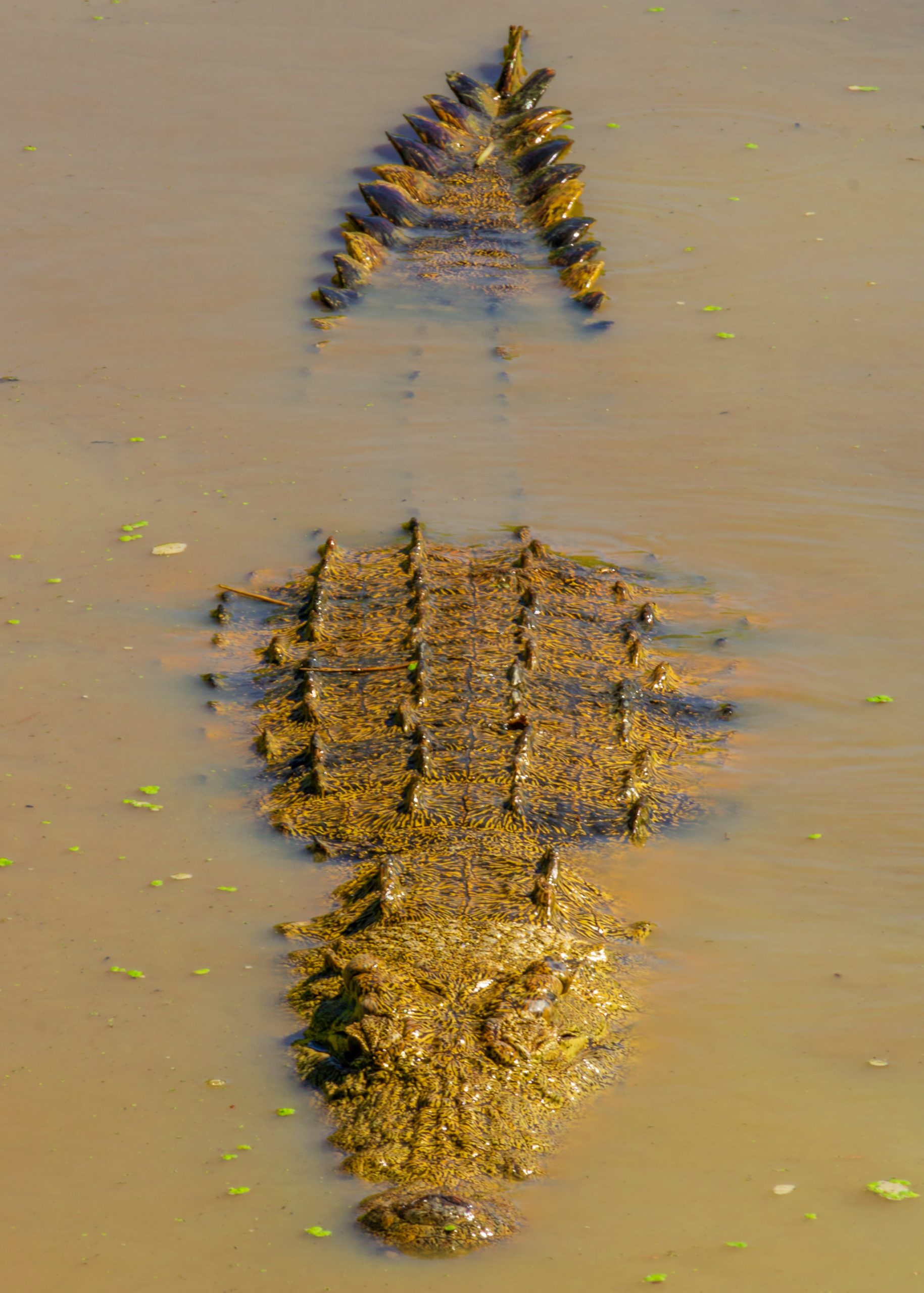
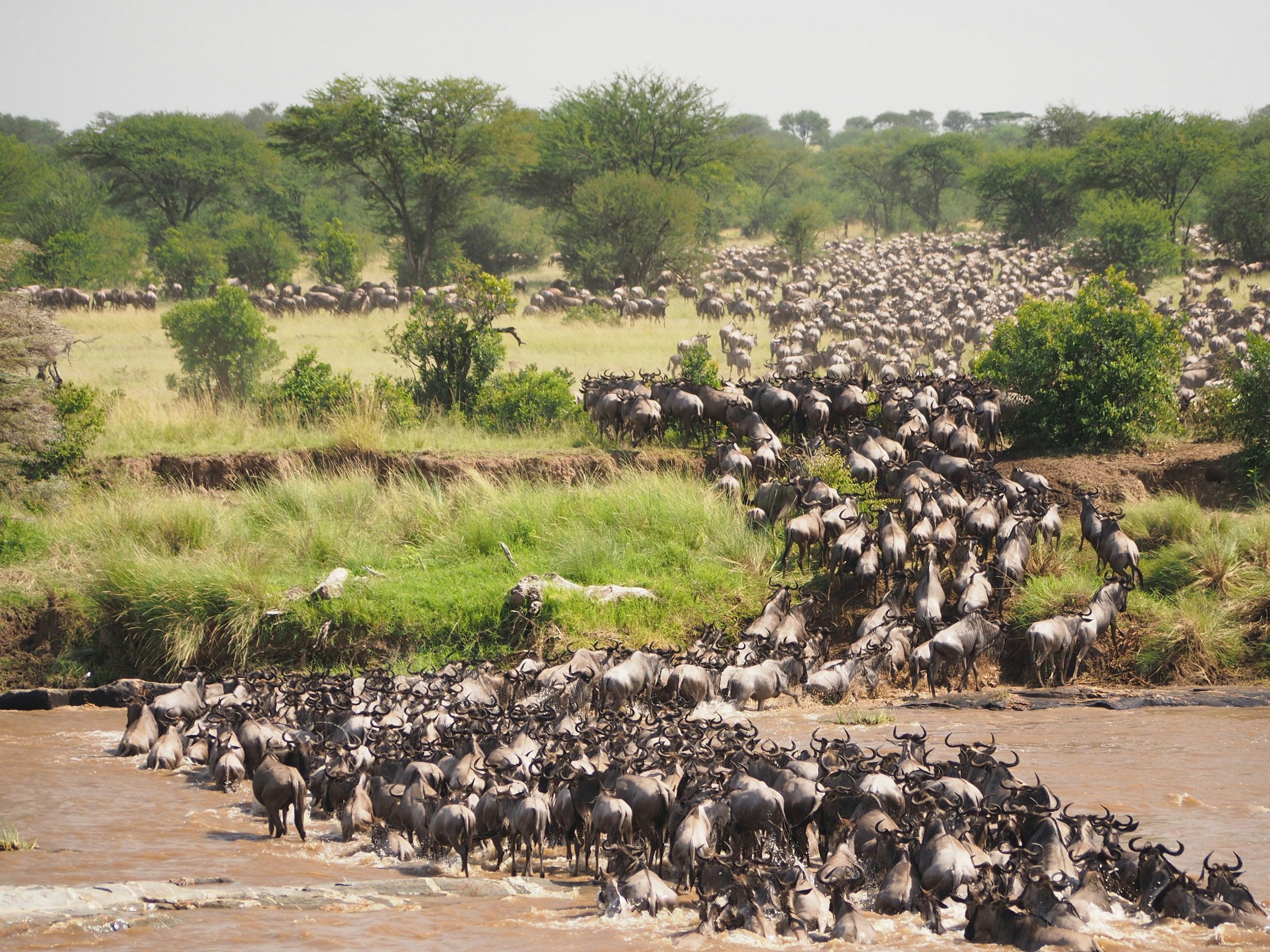
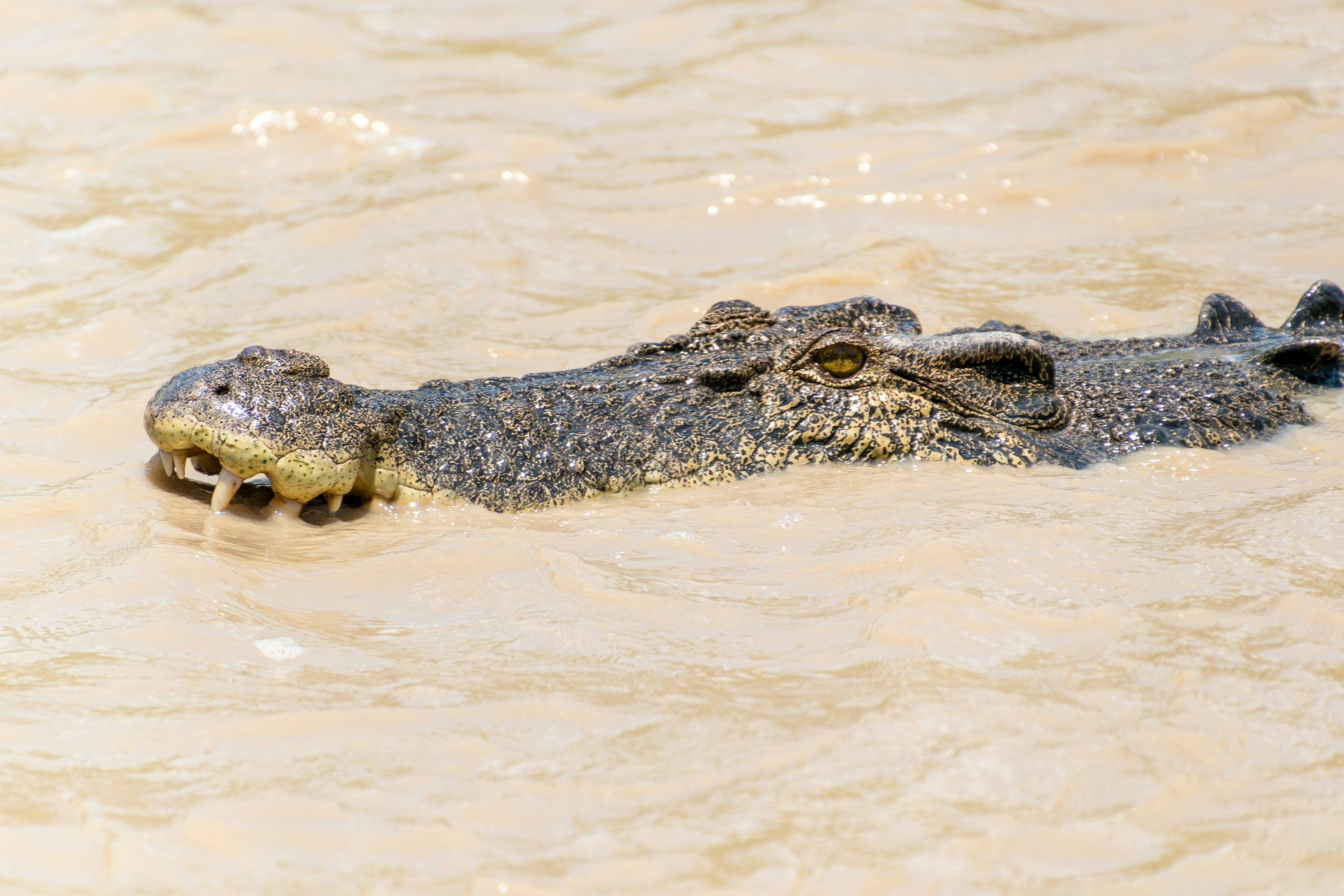
What Happens: Wildebeest and zebras face their first major obstacle – the Grumeti River, home to massive crocodiles

What to Expect:

High-adrenaline river crossings

Predators trailing the herds

Elephants, giraffes, and huge bird populations

Best for: Grumeti river crossing safaris and predator sightings

August – September: Mara River Crossings in Northern Serengeti

Where: Northern Serengeti (Kogatende, Lamai)

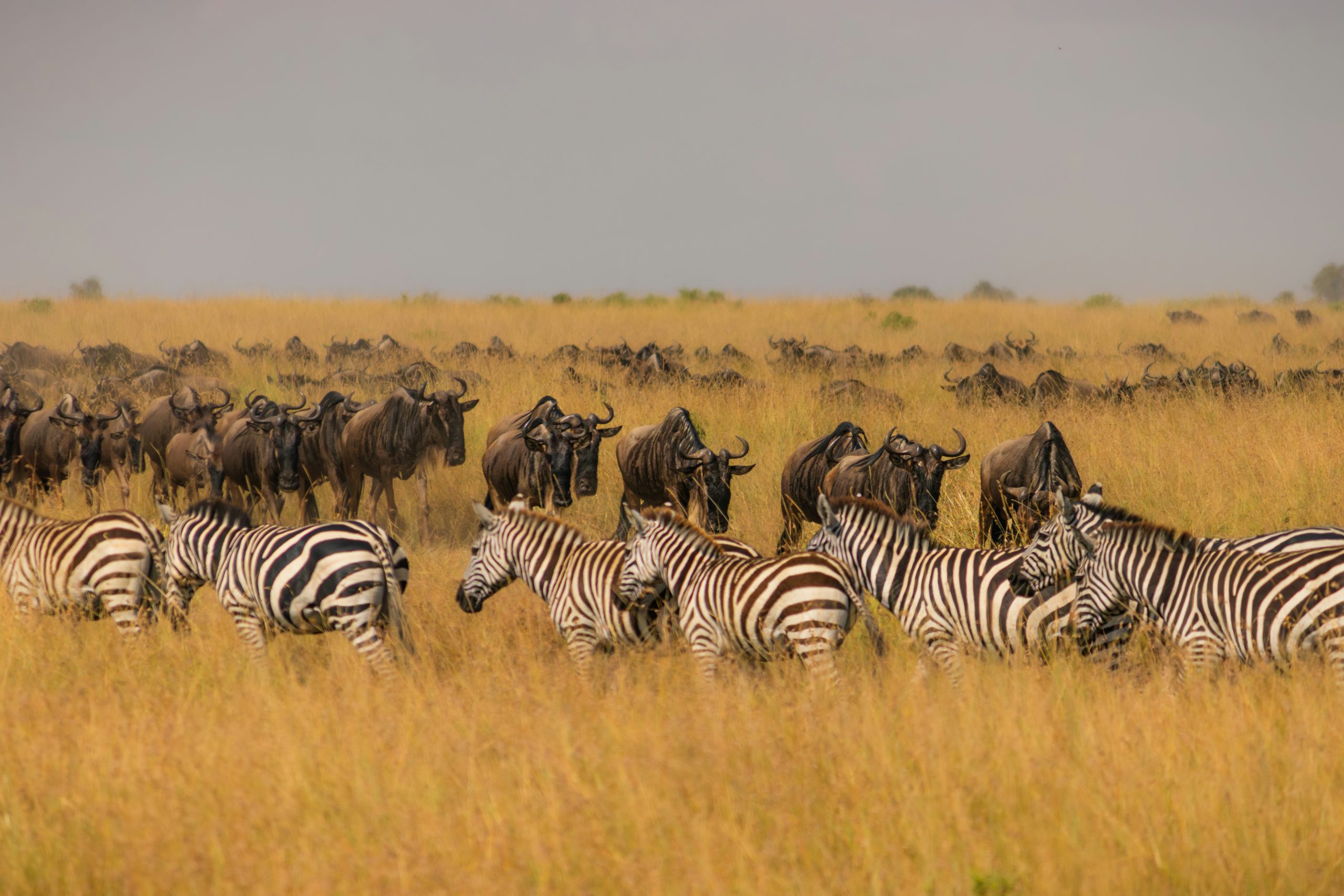
What Happens: The most iconic river crossings take place as herds cross the Mara River into Kenya’s Maasai Mara

What to Expect:

Crocodile attacks, dramatic survival battles

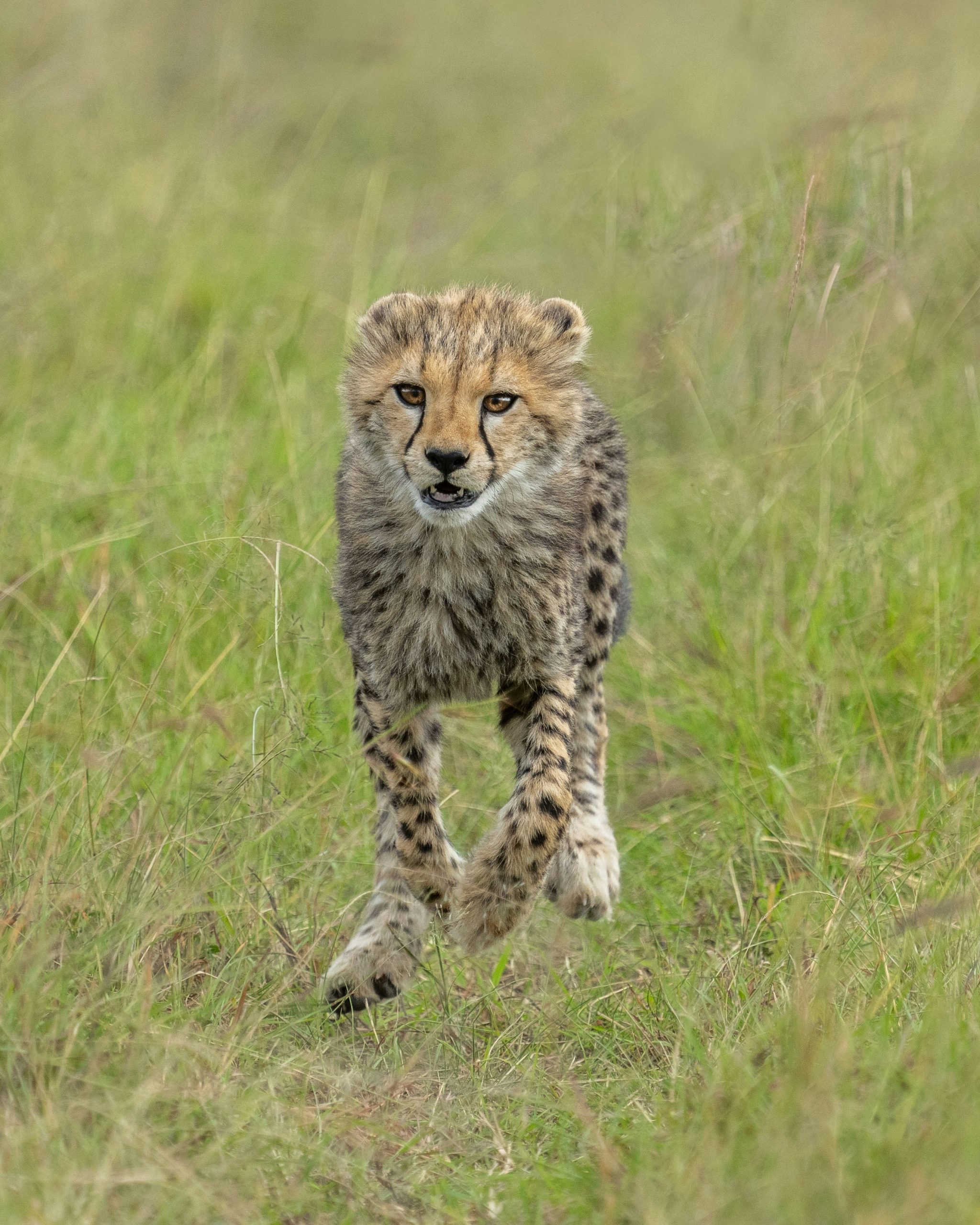
Big cats everywhere – lions, leopards, cheetahs

Luxury mobile camps set up for prime viewing

Best for: Witnessing the raw drama of the migration’s most dangerous stage

October – November: Return Journey to Serengeti Begins

Where: Northern to Central Serengeti

What Happens: Herds begin moving back south as the rains return to the Serengeti

What to Expect:

Smaller crossings as animals recross the Mara

Beautiful light and dry landscapes

Excellent general wildlife and predator sightings

Ideal for: A quieter safari experience with excellent photography

Where in Tanzania to See the Migration?
Ndutu (Southern Serengeti and Ngorongoro)
Seronera (Central Serengeti)
Western Corridor and Grumeti River
Northern Serengeti (Kogatende, Lamai Wedge)
What Wildlife Can You Expect to See?
What to Expect on a Migration Safari?

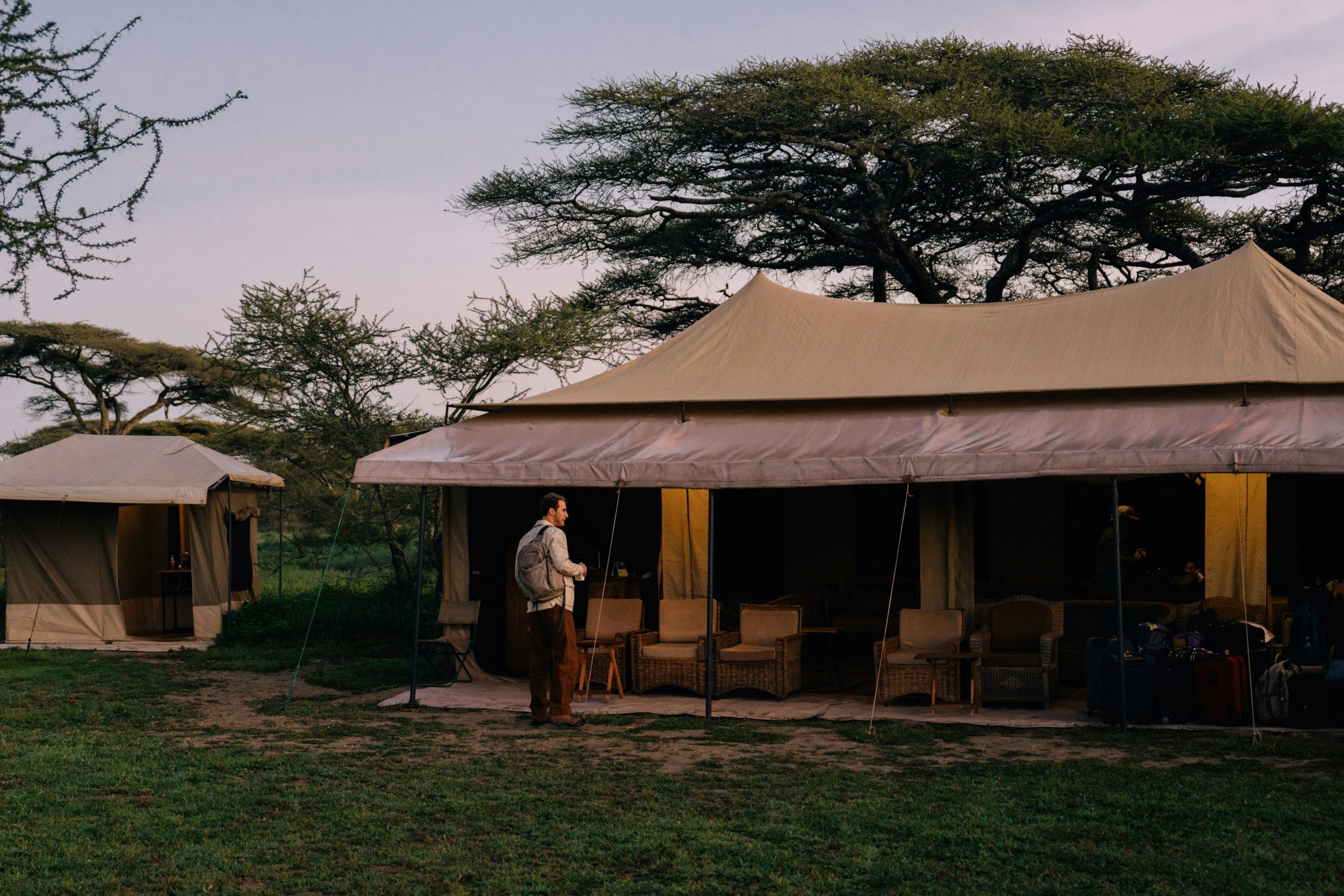
Mobile tented camps or luxury lodges positioned close to the herds

Daily game drives tracking herd movement and predator activity

Early mornings and golden-hour photography sessions

Opportunities for balloon safaris over the herds in Central or Northern Serengeti

Expert local guides who understand the movements and animal behavior

Insider Tips

Book early for July-October (Mara River crossings) – lodges fill up fast

Travel in shoulder seasons (May or November) for great viewing without crowds

Choose mobile camps if you want to follow the migration closely

Combine with Ngorongoro Crater, Tarangire, or Zanzibar for a complete Northern Tanzania itinerary

Why Experience the Great Migration With Us?

At Safari Big 5, we craft custom migration safaris tailored to your travel dates and interests. With our on-the-ground expertise, we place you in the right place at the right time, ensuring you don’t miss the moments that matter – from a newborn calf’s first steps to the thunderous crossings of the Mara River.

Let us take you beyond the brochures – to the heart of the wild.

Scroll to Top