
Mountain Climbing in Tanzania
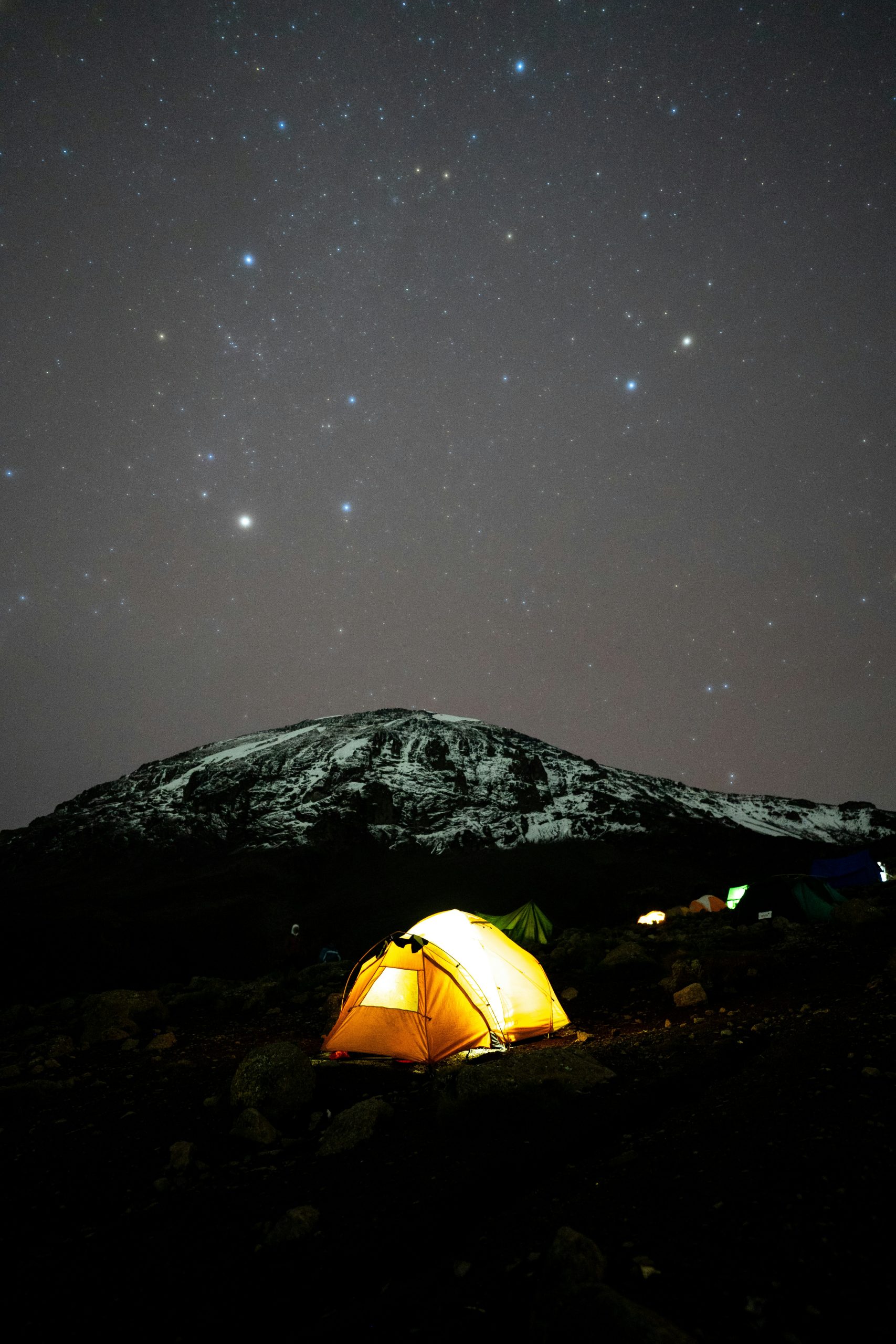
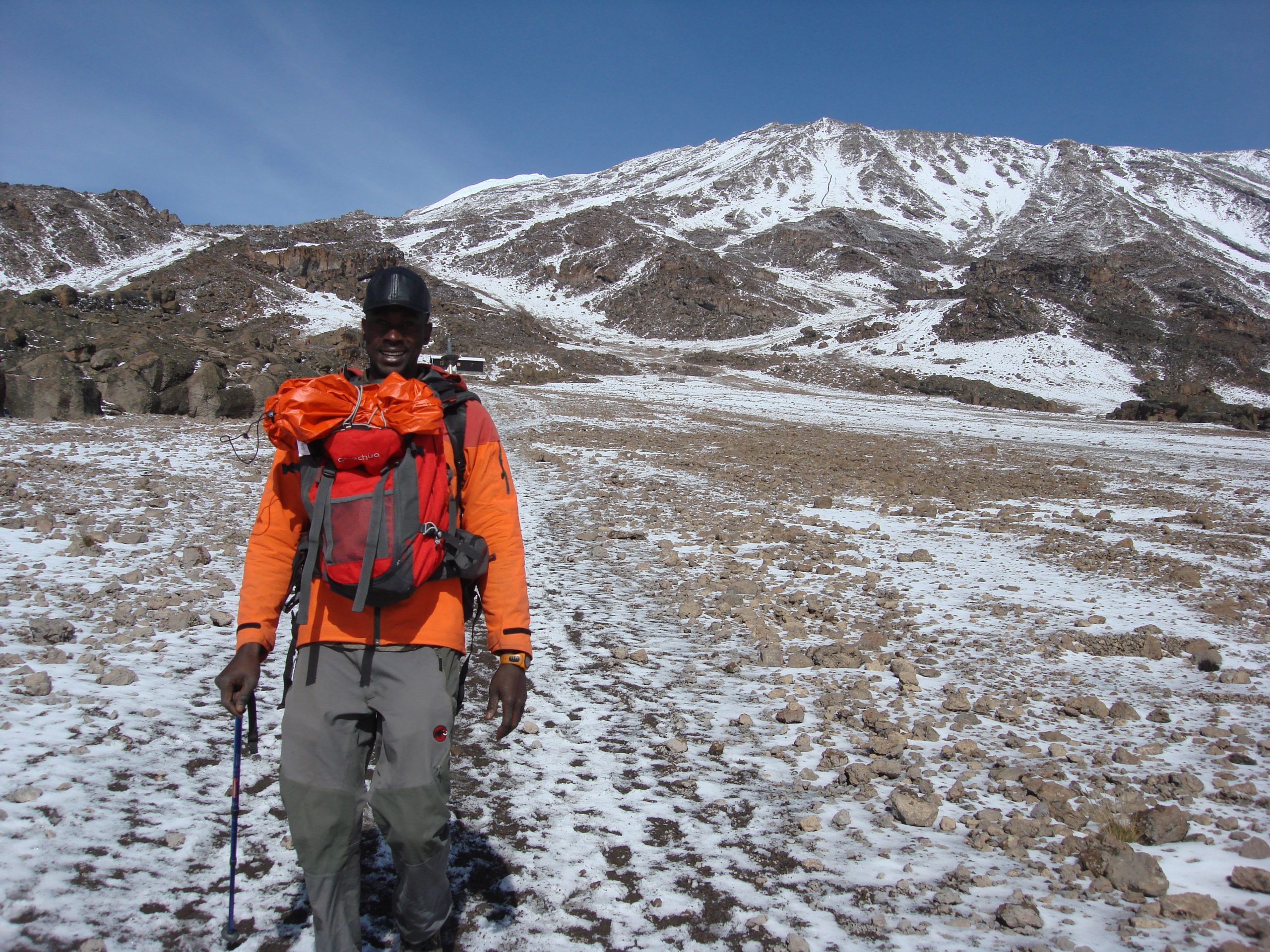
Mountain Climbing in Tanzania: The Ultimate Adventure with Safari Big 5
Welcome to the breathtaking world of Tanzanian mountain climbing, where adventure meets nature’s grandeur.
Tanzania is home to two of Africa’s most spectacular peaks – Mount Kilimanjaro, the highest free-standing mountain on the continent, and Mount Meru, a majestic volcanic giant offering thrilling treks and stunning vistas. Whether you’re a seasoned climber or a first-time adventurer, our expert team ensures your journey to the summit is safe, enjoyable, and unforgettable with us.
Mount Kilimanjaro: (The Roof of Africa)
Overview:
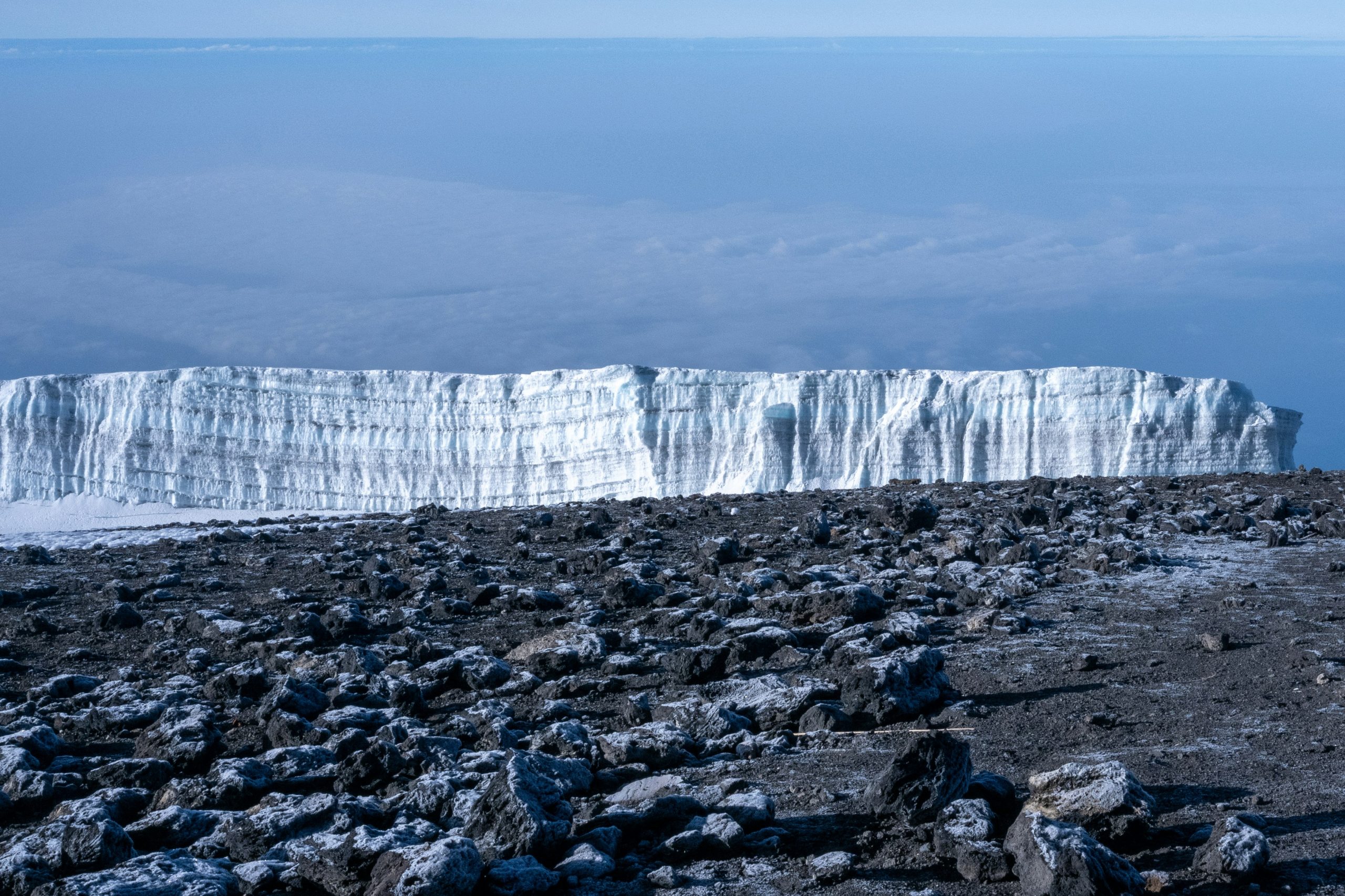
Rising to an awe-inspiring 5,895 meters (19,341 feet), Mount Kilimanjaro is Africa’s tallest mountain and one of the world’s most iconic trekking destinations. The mountain’s unique volcanic structure offers an unparalleled range of ecosystems-from lush rainforests to alpine deserts, ending in a glacial summit.
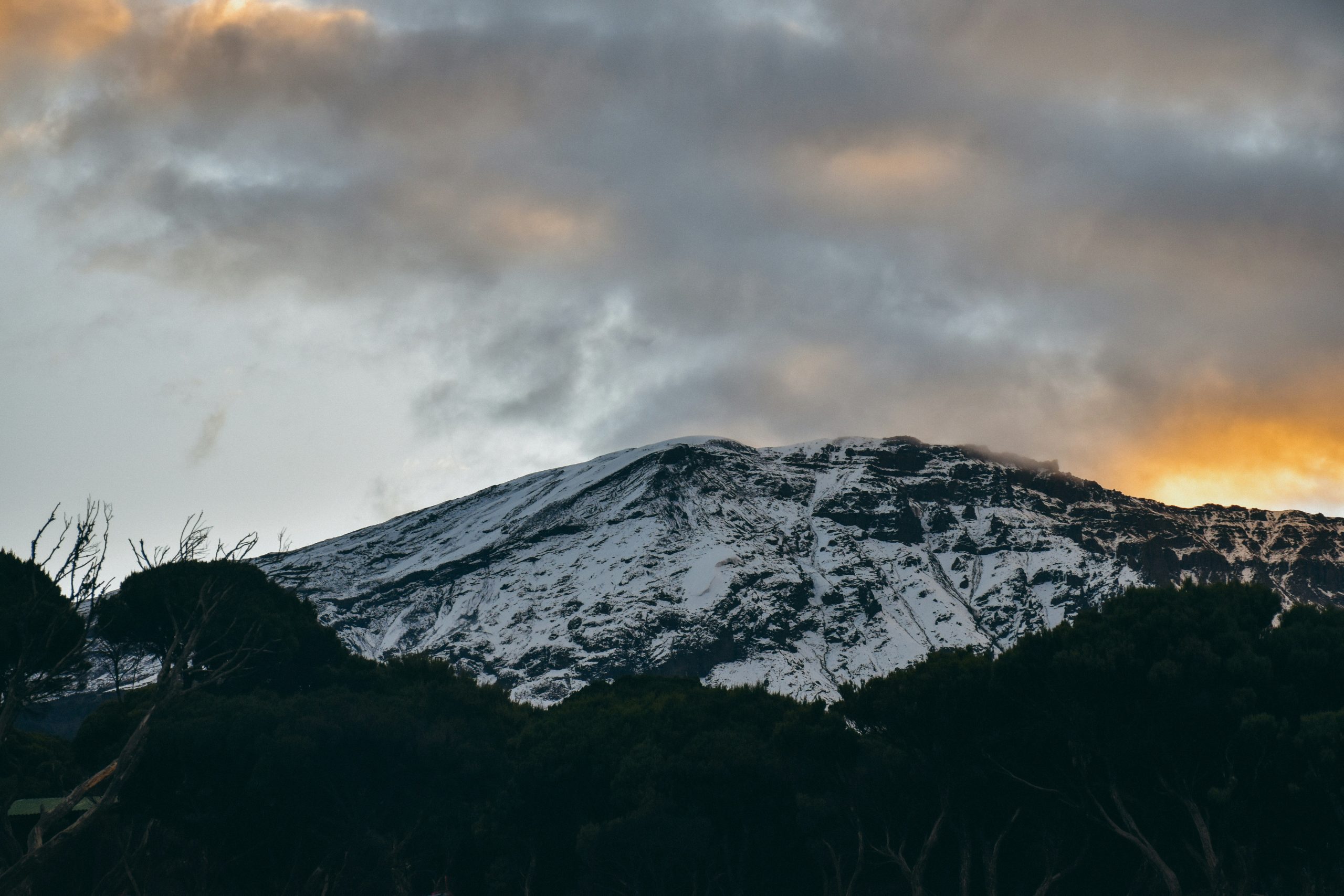
Kilimanjaro Climbing Routes
Mount Kilimanjaro offers several distinct climbing routes, each with its own character, duration, and level of challenge.
The Machame Route, often called the “Whiskey Route,” typically takes 6 to 7 days and is considered moderately challenging. It’s beloved for its stunning scenic variety, including the iconic Barranco Wall, and excellent acclimatization opportunities that boost your summit success. This route suits adventurous first-timers ready to tackle some steep sections.
The Marangu Route, nicknamed the “Coca-Cola Route,” is the shortest climb, lasting 5 to 6 days, and is considered moderate in difficulty. It’s the only route with hut accommodations rather than tents, making it appealing to those who prefer a bit more comfort. However, because of the quicker ascent, it has a lower summit success rate than longer routes.
For those looking for a longer trek with spectacular views and fewer crowds, the Lemosho Route – (7 to 8 days) is ideal. It approaches the mountain from the west, offering lush scenery and excellent acclimatization, which increases chances of summiting successfully.
The Rongai Route ascends from the northern side of Kilimanjaro and takes about 6 to 7 days. It’s a drier, less-traveled path, perfect for climbers seeking a quieter experience and a moderate challenge.
The Northern Circuit is the longest route, usually completed over 9 days. This route circumnavigates the mountain, providing panoramic views and the best acclimatization profile. It’s perfect for serious trekkers and those sensitive to altitude.
For experienced and fit climbers seeking a more intense challenge, the Umbwe Route is the shortest and steepest, typically lasting 5 to 6 days. It demands a high fitness level but rewards you with dramatic landscapes.
What to Expect on Kilimanjaro
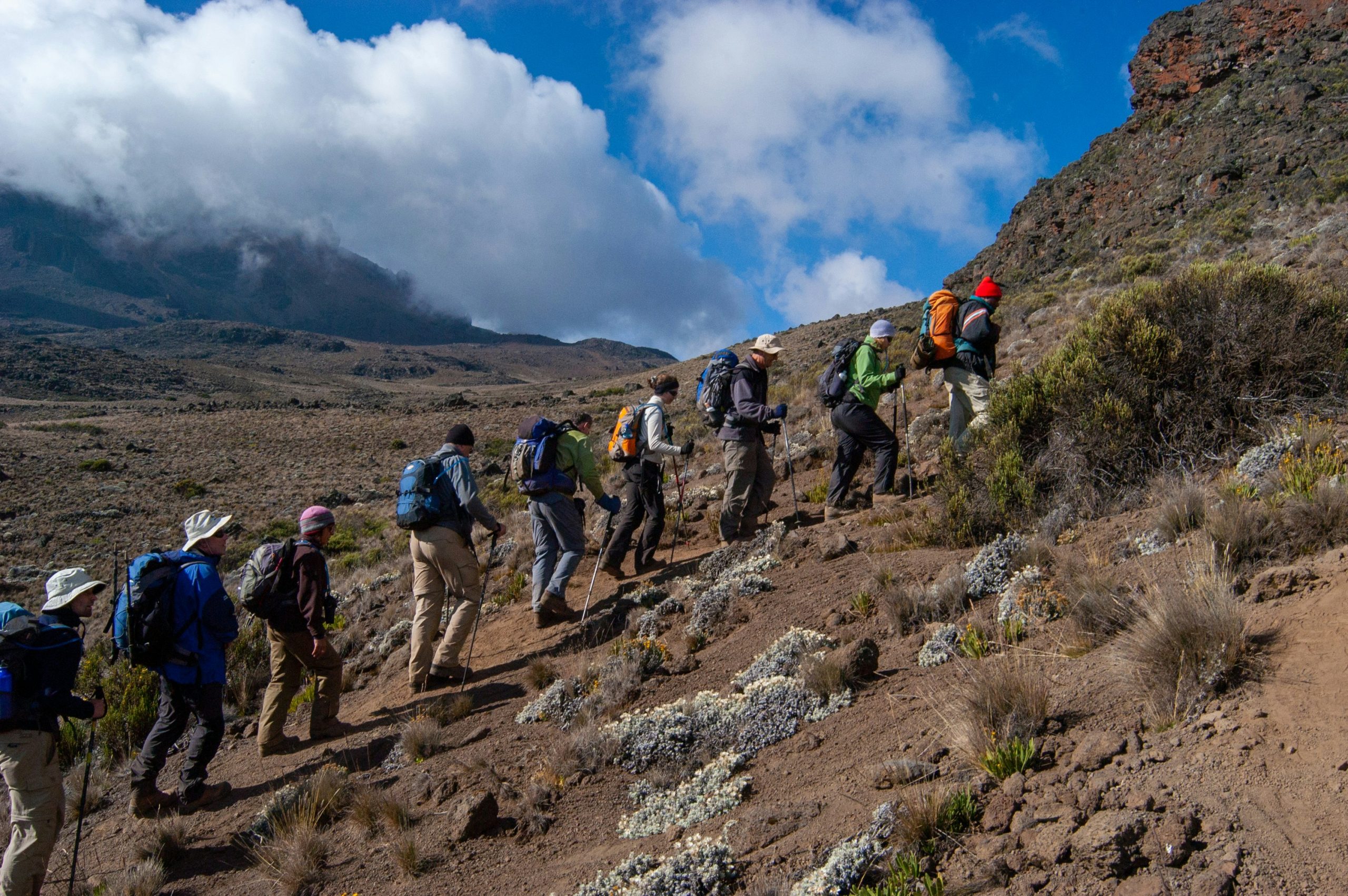
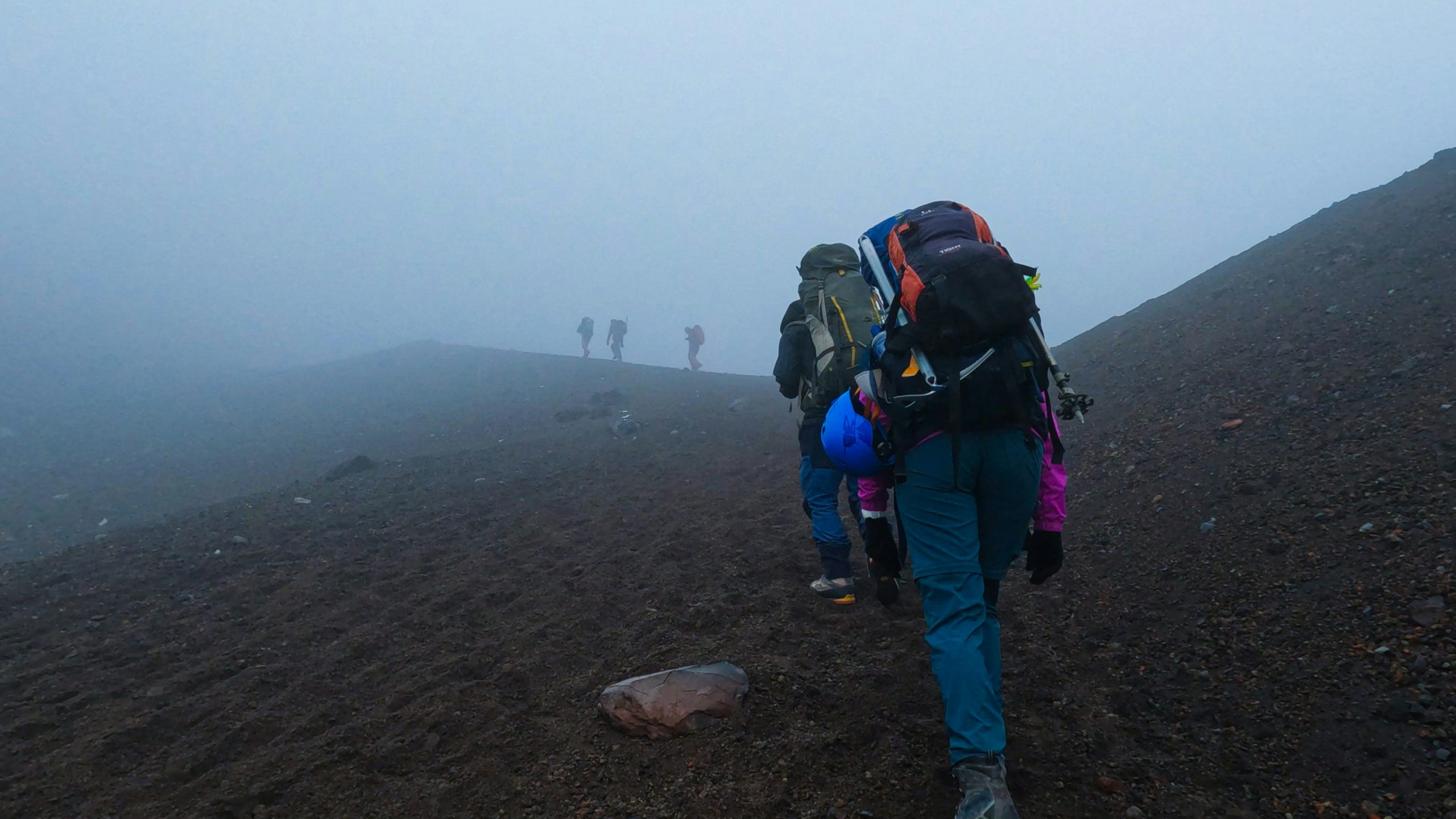
Daily Trekking: Expect to walk 5 to 8 hours per day through diverse terrains.
Climate Zones: You will pass through five distinct climate zones-from tropical rainforest at the base, through heath and moorland, alpine desert, and finally the arctic summit.
Altitude Effects: We carefully manage the pace to minimize altitude sickness risks, with daily health checks and the use of oxygen meters if needed.
Campsites: You’ll stay in well-equipped tented camps with dining tents as well as special request on toilet tents.
Flora and Fauna: Keep an eye out for monkeys, diverse birds, and giant alpine plants along the way.
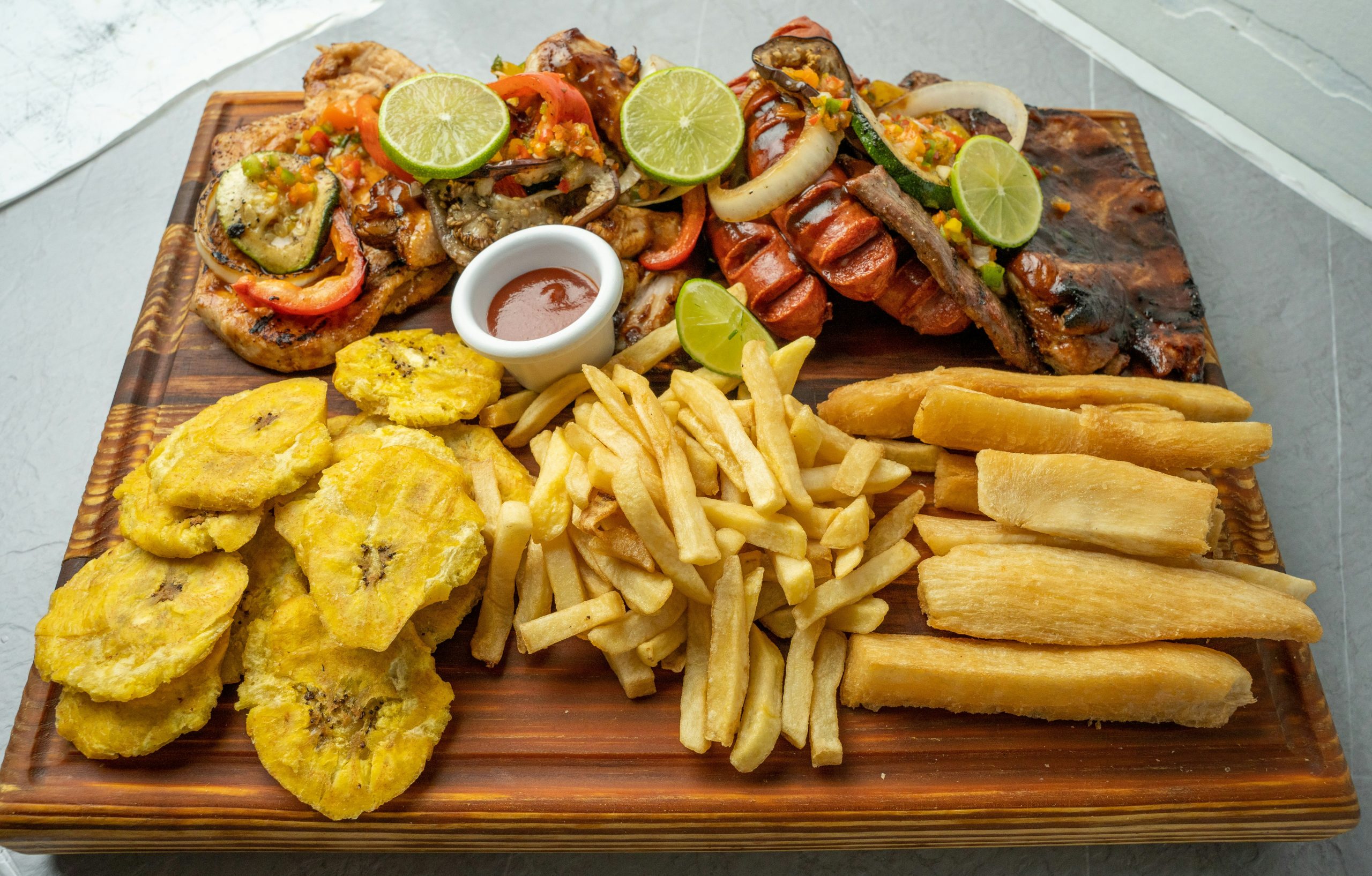
Food on the Mountain
Nutrition is critical during the climb. Our professional mountain chefs prepare fresh, energy-packed meals including:
Breakfast: Porridge, eggs (fried or boiled), sausages, pancakes, toast with jam or peanut butter, plus tea or coffee.
Lunch: Options include chicken curry with rice, beef stew with vegetables, pasta with tomato and beef sauce, fresh fruit, and sandwiches featuring chicken or beef.
Dinner: Warm beef or chicken stews served with mashed potatoes or ugali, vegetable soups like pumpkin or carrot, pasta, and steamed vegetables.
Snacks: Biscuits, nuts, energy bars, hot chocolate, and fruit juices.
Hydration: Boiled and purified water, herbal teas, and coffee are provided throughout.
What to Pack for Kilimanjaro
Packing the right gear is essential:
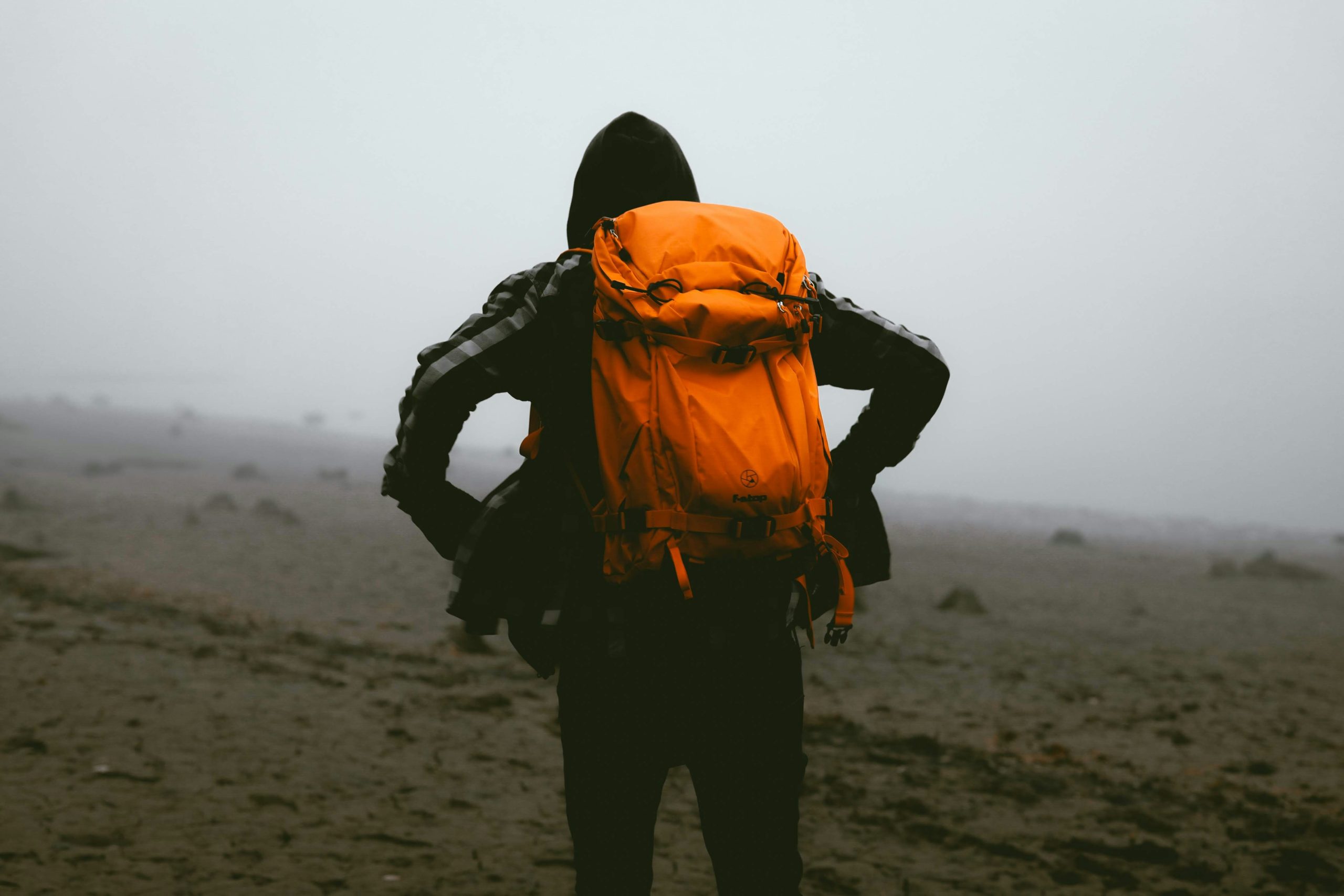
Clothing: Layering is key – thermal base layers, moisture-wicking hiking shirts and pants, insulating fleece or down jacket, waterproof jacket and pants, warm gloves, hat, sunhat, and sunglasses.
Footwear: Waterproof, well-broken-in hiking boots plus gaiters.
Accessories: Trekking poles, headlamp with extra batteries, water bottles (minimum 3 liters daily), sunscreen, and lip balm with SPF.
Personal Items: Camera, toiletries, personal medications (including any altitude sickness meds), and hand sanitizer.
Sleeping Gear: We provide quality sleeping bags on rental basis, but you may bring your own liner for added warmth.
How to Prepare for Your Trek
Fitness: Engage in cardio (running, cycling), strength training (lunges, squats), and practice hikes with a weighted backpack.
Altitude Training: If possible, spend time at higher elevations or on hilly terrain to build endurance.
Mental Preparation: Be ready for long days and challenging weather conditions.
Health: Consult your doctor prior to the trek, especially if you have underlying health issues.
Mount Meru: Tanzania’s Spectacular Volcanic Trek
Overview:
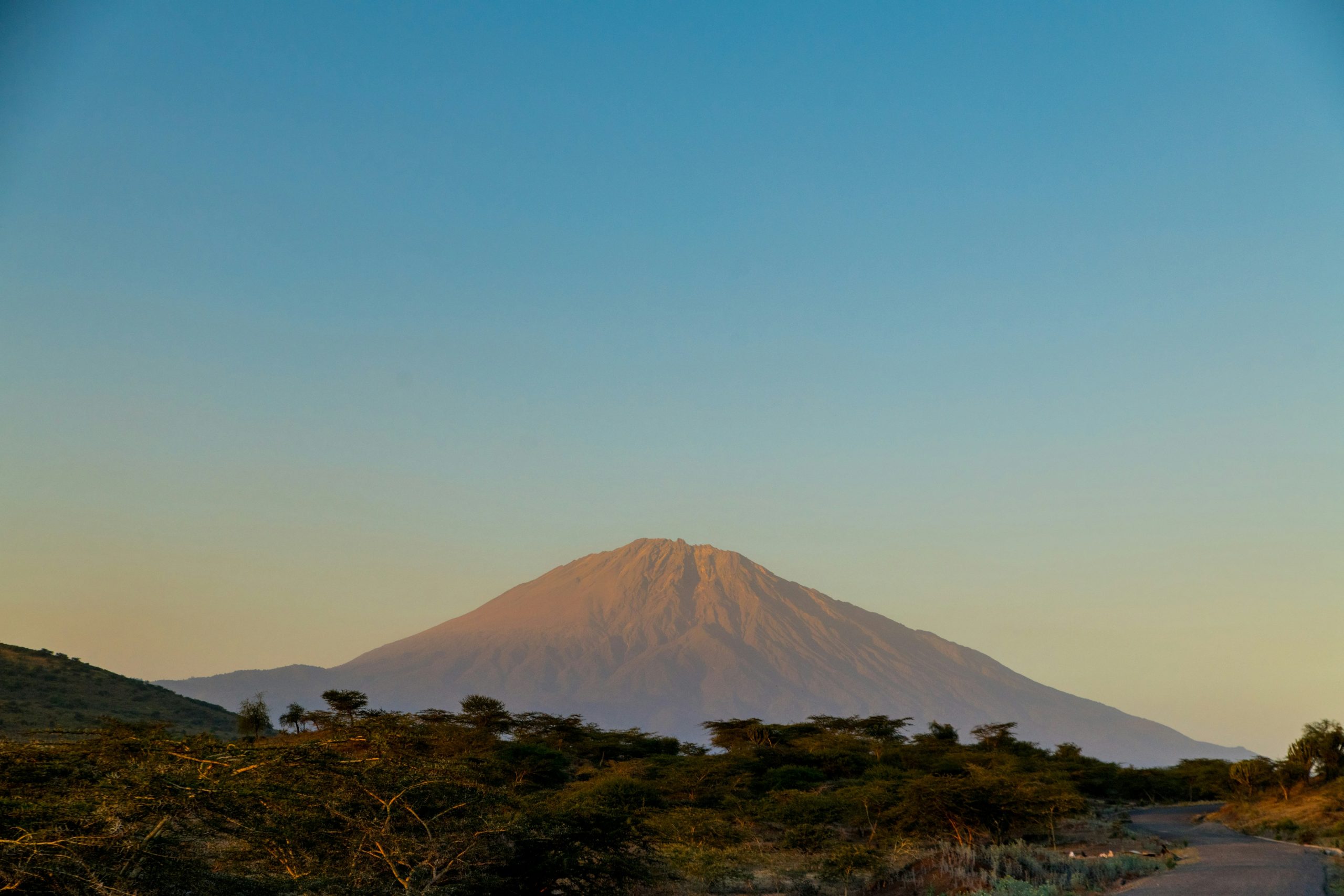
Mount Meru, at 4,566 meters (14,980 feet), is Tanzania’s second highest peak and serves as an excellent acclimatization climb before Kilimanjaro. Located within Arusha National Park, it’s rich in wildlife and verdant forests.
Mount Meru Climbing Routes
Mount Meru is primarily climbed via two popular routes.
The Northern Route takes around 4 days and is considered moderately difficult. The trail starts at Momella Gate and winds through beautiful forests, past waterfalls, and offers a chance to spot wildlife like giraffes and buffalo. You’ll stay at Miriakamba Hut before reaching the summit.
The Southern Route, also about 4 days, is similar in difficulty and traverses rich vegetation with stunning scenic views, waterfalls, and expansive panoramas from the summit.
What to Expect on Mount Meru
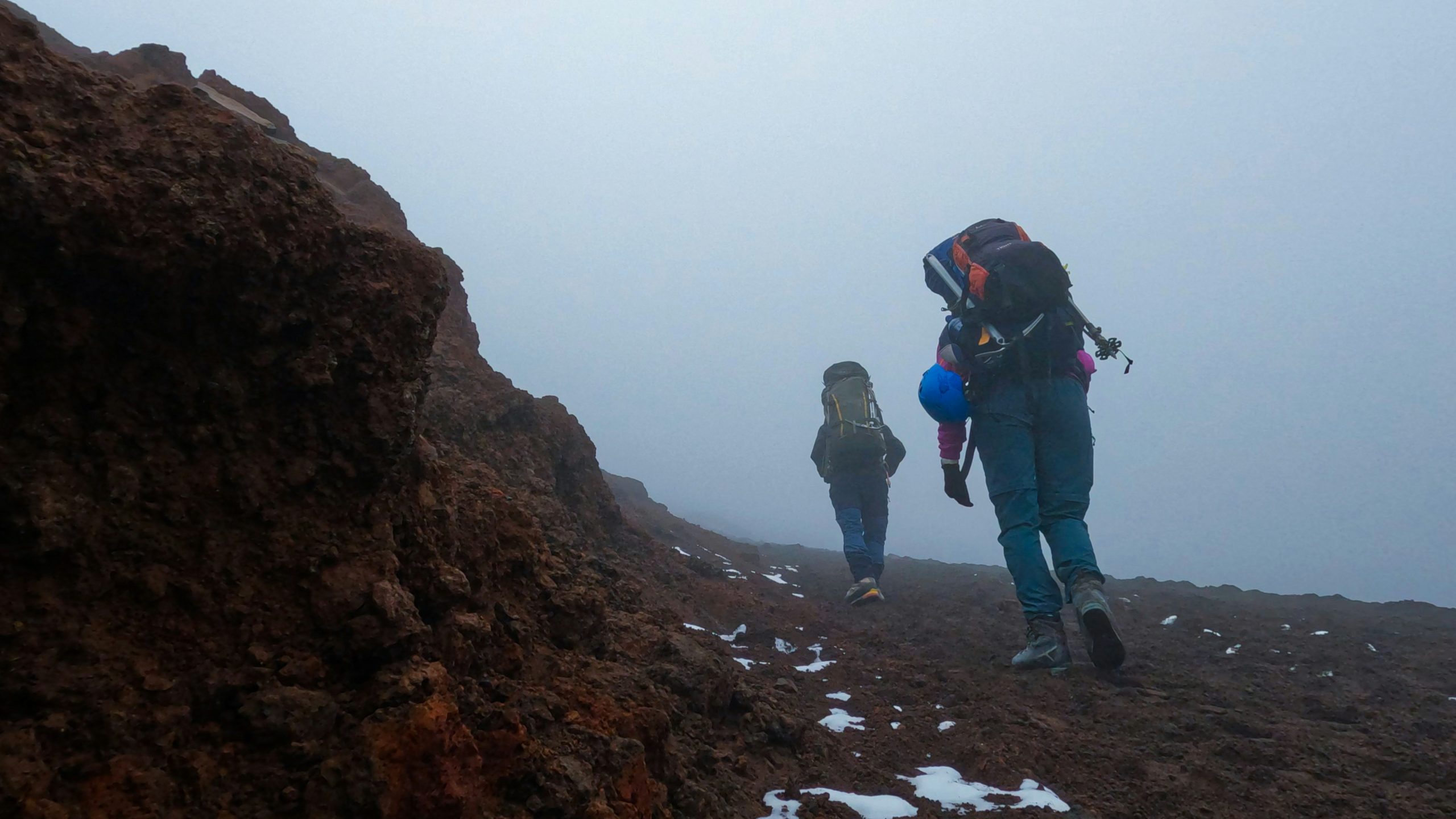
Daily Trekking: 5 to 7 hours of hiking per day.
Terrain: Dense rainforest at lower altitudes transitioning to alpine moorland near the summit.
Wildlife: High chances of spotting elephants, monkeys, antelopes, and a variety of bird species.
Camping: Comfortable campsites with tents and dining facilities.
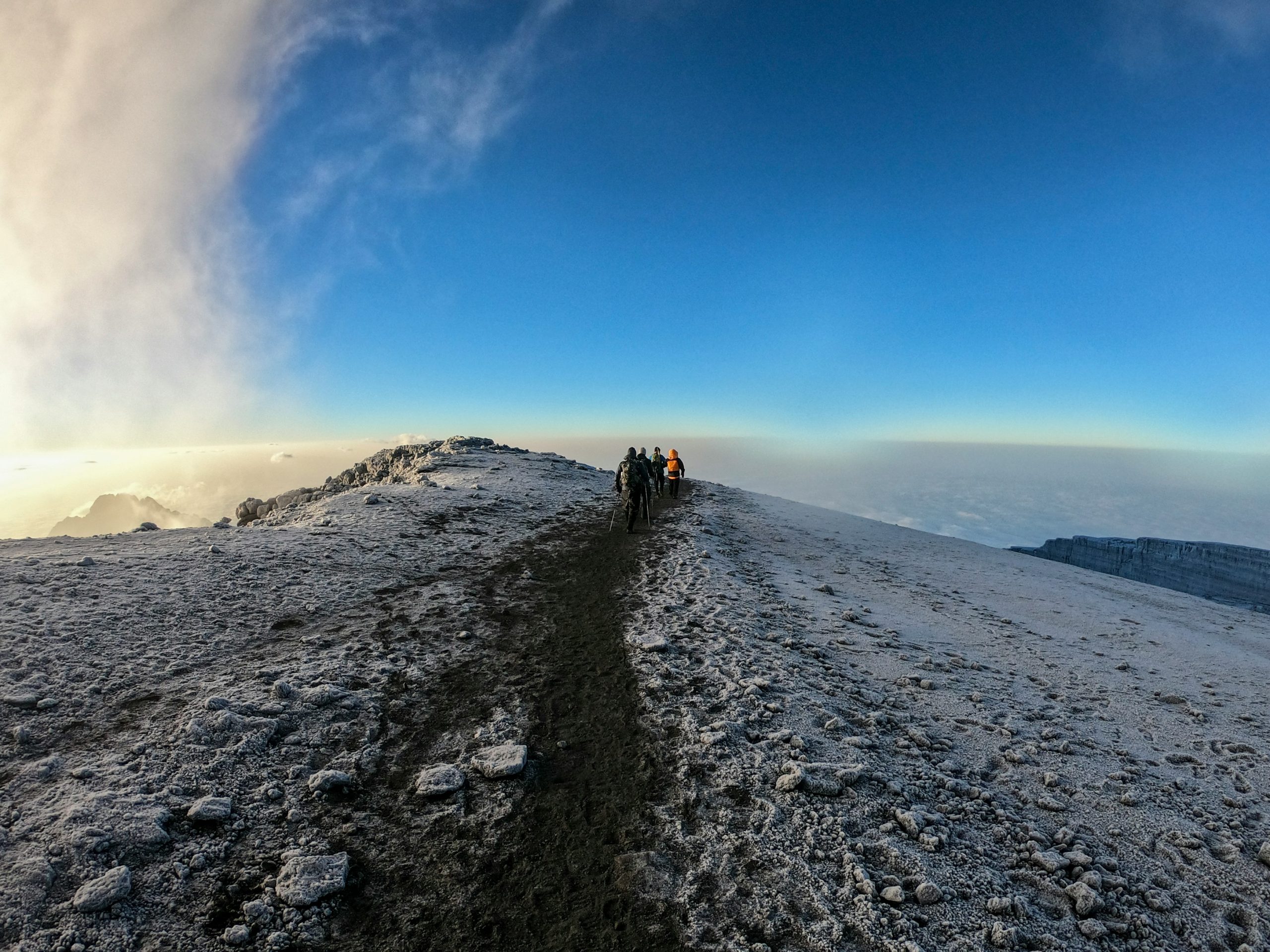
Summit Views: You’ll be rewarded with panoramic views of Kilimanjaro, the Great Rift Valley, and the surrounding landscape.
Food on Mount Meru
Our cooks prepare balanced and nutritious meals to keep you energized:
Breakfast: Eggs, porridge, toast, fresh fruit, and tea or coffee.
Lunch: Chicken stew with rice or potatoes, beef curry, fresh salads.
Dinner: Vegetable soups, pasta with chicken or beef sauce, and mashed vegetables.
Snacks: Biscuits, energy bars, tea, coffee, and purified water.
Packing for Mount Meru
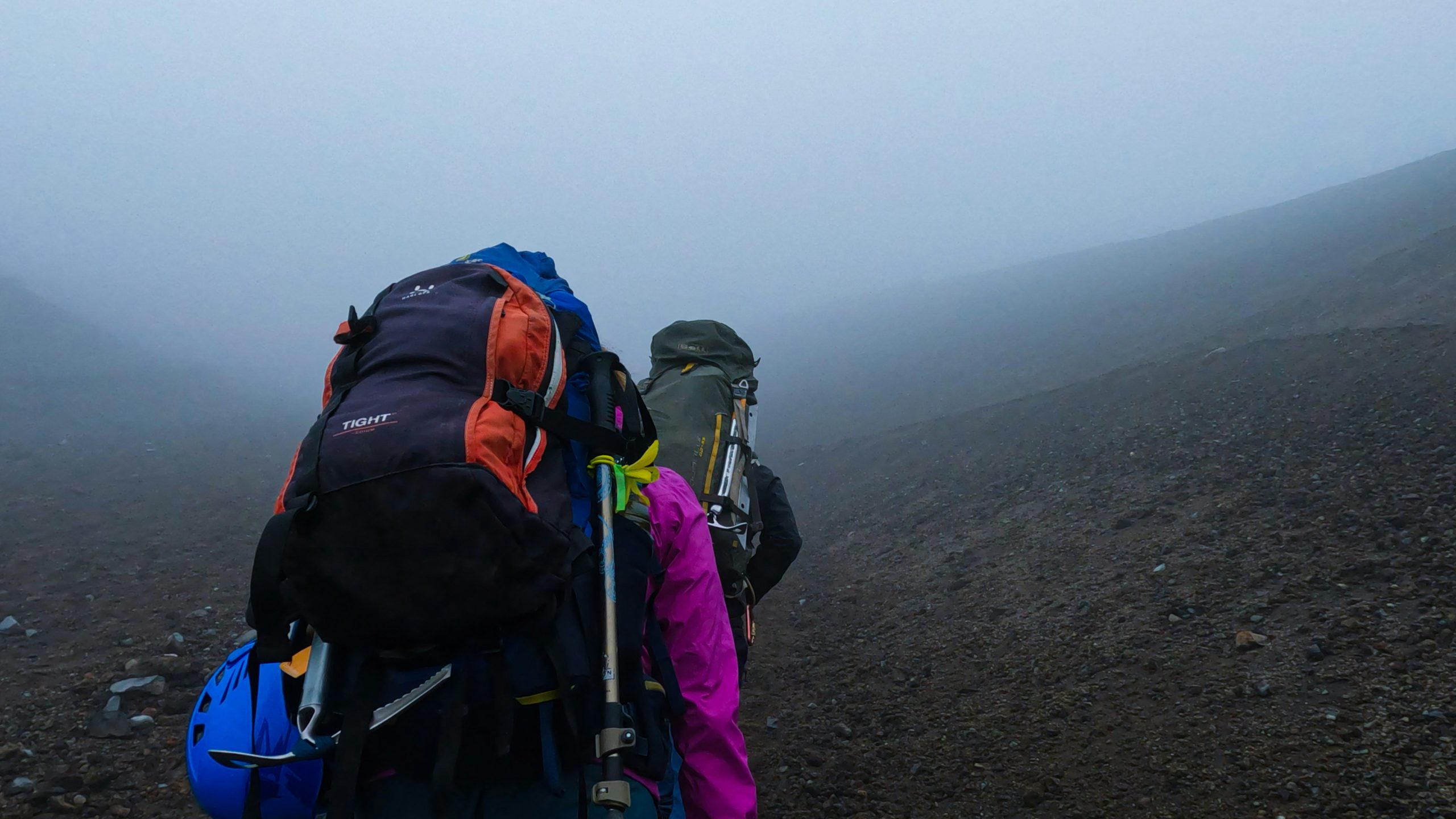
Packing essentials mirror Kilimanjaro gear but tailored for the forest and alpine zones:
Lightweight clothes for lower altitudes
Warm layers for higher elevations
Waterproof jacket and sturdy hiking boots
Headlamp, trekking poles, sunscreen, and insect repellent
Our Services: Your Safety and Success, Our Priority
At Safari Big 5, your adventure is in expert hands.
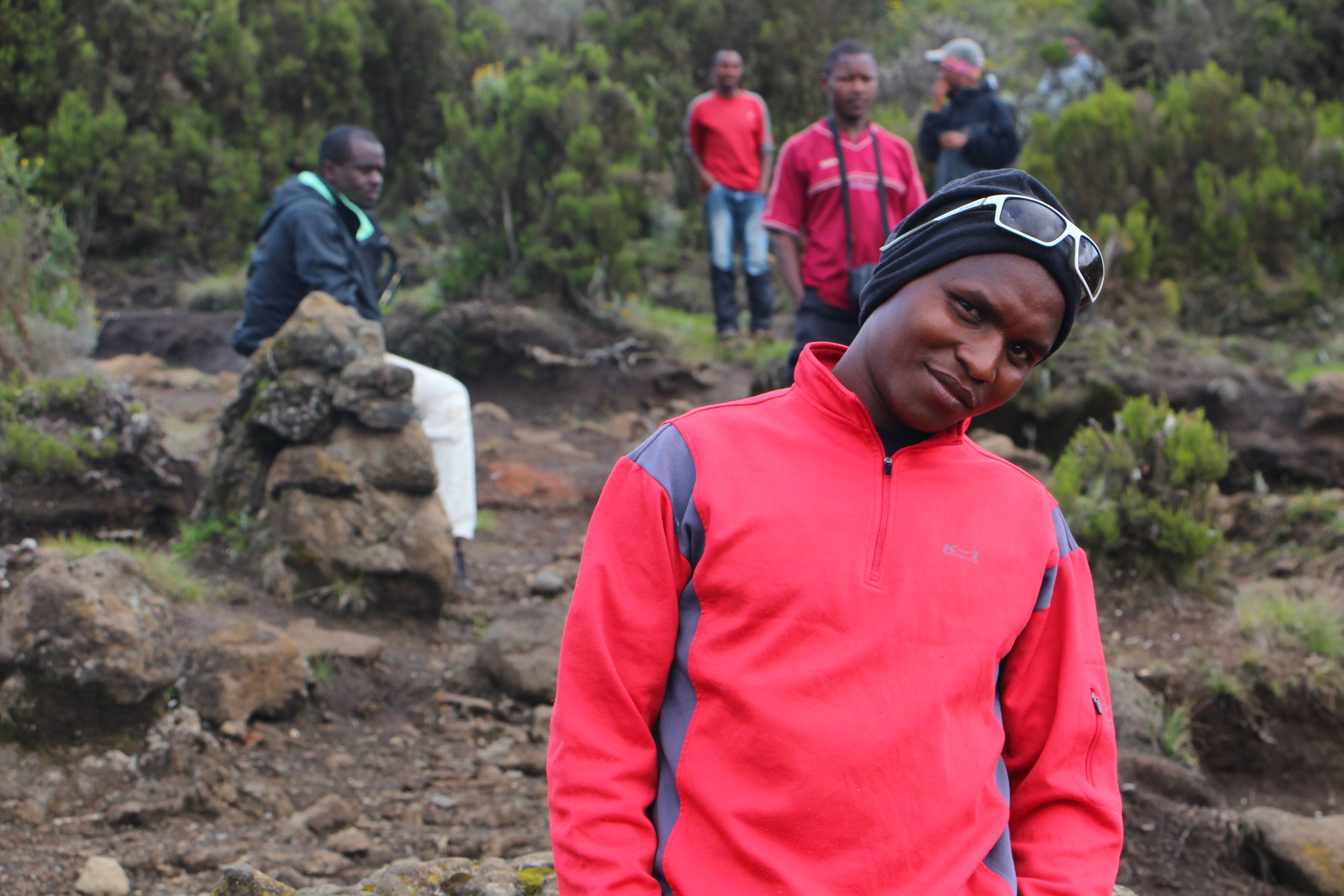
Professional Licensed Guides: Our guides are certified, experienced, and trained in first aid and altitude sickness management.
Dedicated Porters & Chefs: Our team is well-cared-for, carrying your gear safely and preparing fresh, delicious meals daily.
Safety Protocols: Daily health monitoring, use of pulse oximeters, fully stocked first aid kits, and emergency evacuation plans.
Personalized Experience: We customize itineraries, keep groups small, and provide 24/7 client support.
High Summit Success: Our focus on gradual acclimatization and experienced guidance results in exceptional success rates.
Competitive Pricing & Discounts: Transparent pricing, great value, and special group discounts.
Eco and Porter Welfare Friendly: We prioritize conservation and ethical treatment of our porters.
Why Book With Us?
Choosing Safari Big 5 means choosing a passionate, professional team dedicated to making your mountain climb safe, comfortable, and unforgettable. From pre-trip planning to your triumphant summit, we’re with you every step of the way.
Ready to conquer Tanzania’s iconic peaks?
Contact us today to start planning your adventure of a lifetime!
Frequently Asked Questions (FAQs) for Tourists Planning a Mount Kilimanjaro Trek in Tanzania.
1. How high is Mount Kilimanjaro?
Answer: Mount Kilimanjaro stands at 5,895 meters (19,341 feet) above sea level, making it the tallest peak in Africa.
2. What is the best time to climb Kilimanjaro?
Answer: The best times are during the dry seasons: January to March and June to October, offering clearer skies and better trekking conditions.
3. How difficult is the climb?
Answer: Kilimanjaro offers various routes with different difficulty levels. While it’s not a technical climb, it’s physically demanding due to altitude and endurance required.
4. Do I need a guide to climb Kilimanjaro?
Answer: Yes, it’s mandatory to climb with a certified guide. They ensure safety, provide support, and navigate the trails effectively.
5. What should I pack for the climb?
Answer: Essentials include appropriate clothing (layers for varying temperatures), sturdy hiking boots, sleeping bag, trekking poles, water purification tablets, and personal medication.
6. What is the success rate of reaching the summit?
Answer: Success rates vary by route and individual fitness. On average, the success rate is around 80-95%.
7. Are permits required, and how do I obtain them?
Answer: Yes, permits are required. Your tour operator typically arranges these permits as part of the package.
8. What are the accommodation options during the climb?
Answer: Accommodation ranges from basic campsites to more comfortable huts or tented camps along different routes. Each has its own amenities and costs.
9. How do I acclimatize to prevent altitude sickness?
Answer: Trekking slowly, staying hydrated, and taking rest days during the climb helps acclimatize. Some routes are designed for better acclimatization.
10. Can I book a Kilimanjaro trek upon arrival in Tanzania?
Answer: It’s recommended to book in advance to secure permits, guides, and necessary arrangements. Last-minute bookings might be possible but are riskier.
11. What are the health risks associated with climbing Kilimanjaro?
Answer: Altitude sickness is the main concern. Other risks include dehydration, hypothermia, and minor injuries. Adequate preparation and following guide instructions mitigate these risks.
12. How many days does the trek typically take?
Answer: The trek duration varies by route but generally ranges from 5 to 9 days. Longer routes allow for better acclimatization.
13. What kind of physical fitness is required?
Answer: A good level of fitness is necessary. Regular cardio and strength training will help prepare for the demands of the trek.
14. What happens if I can’t make it to the summit?
Answer: Safety is the priority. If unable to continue, guides will assess the situation and ensure your safe descent.
15. Are there age restrictions for climbing Kilimanjaro?
Answer: There’s no official age limit, but climbers must be reasonably fit. Children under 10 years old are generally not encouraged due to the physical demands and altitude.
16. What kind of meals are provided during the trek?
Answer: Meals typically consist of a variety of dishes, including soups, carbohydrates (pasta, rice), vegetables, and proteins (meat or vegetarian options). Most tour operators cater to dietary preferences and allergies if informed in advance.
17. How is drinking water managed during the trek?
Answer: Safe drinking water is crucial. Most tours provide boiled or treated water. Some trekkers also bring water purification tablets or filters to use with natural water sources.
18. Are there restroom facilities along the routes?
Answer: Restroom facilities vary by route. Some have basic pit toilets while others may not have designated facilities. Portable toilets are often carried by trekking teams.
19. How much should I tip the guides and porters?
Answer: Tipping is a common practice to show appreciation for the crew’s efforts. A general guideline is around 10-15% of the total trek cost, divided among the guides, cooks, and porters.
20. Is it possible to bring my own snacks or food on the trek?
Answer: Yes, bringing your preferred snacks or energy bars is advisable. These can supplement meals and provide extra energy during the trek.
21. Can I request specific dietary needs or preferences during the trek?
Answer: Absolutely. Most tour operators accommodate dietary restrictions or preferences if informed in advance.
22. How is food and equipment carried during the climb?
Answer: Porters are responsible for carrying food, camping equipment, and personal belongings. There are weight limits set by regulations to ensure their safety
23. Can I buy additional supplies or food along the trekking route?
Answer: Some basic supplies like snacks, bottled water, or toiletries may be available at certain points, but options are limited and more expensive than pre-purchased items.
24. How is altitude sickness managed concerning food and hydration?
Answer: Staying hydrated and eating well-balanced meals help in acclimatization. Guides monitor climbers’ food intake and hydration levels to mitigate altitude sickness risks.
25. Are there any specific mealtime schedules during the trek?
Answer: Meal schedules vary but typically include breakfast, lunch, dinner, and occasional snack breaks. These are adjusted according to the day’s trekking schedule.