
Zanzibar
Zanzibar is a semi-autonomous region located off the coast of Tanzania, comprising the islands of Unguja and Pemba. This tropical paradise is renowned for its stunning beaches, crystal-clear waters, and rich cultural heritage.
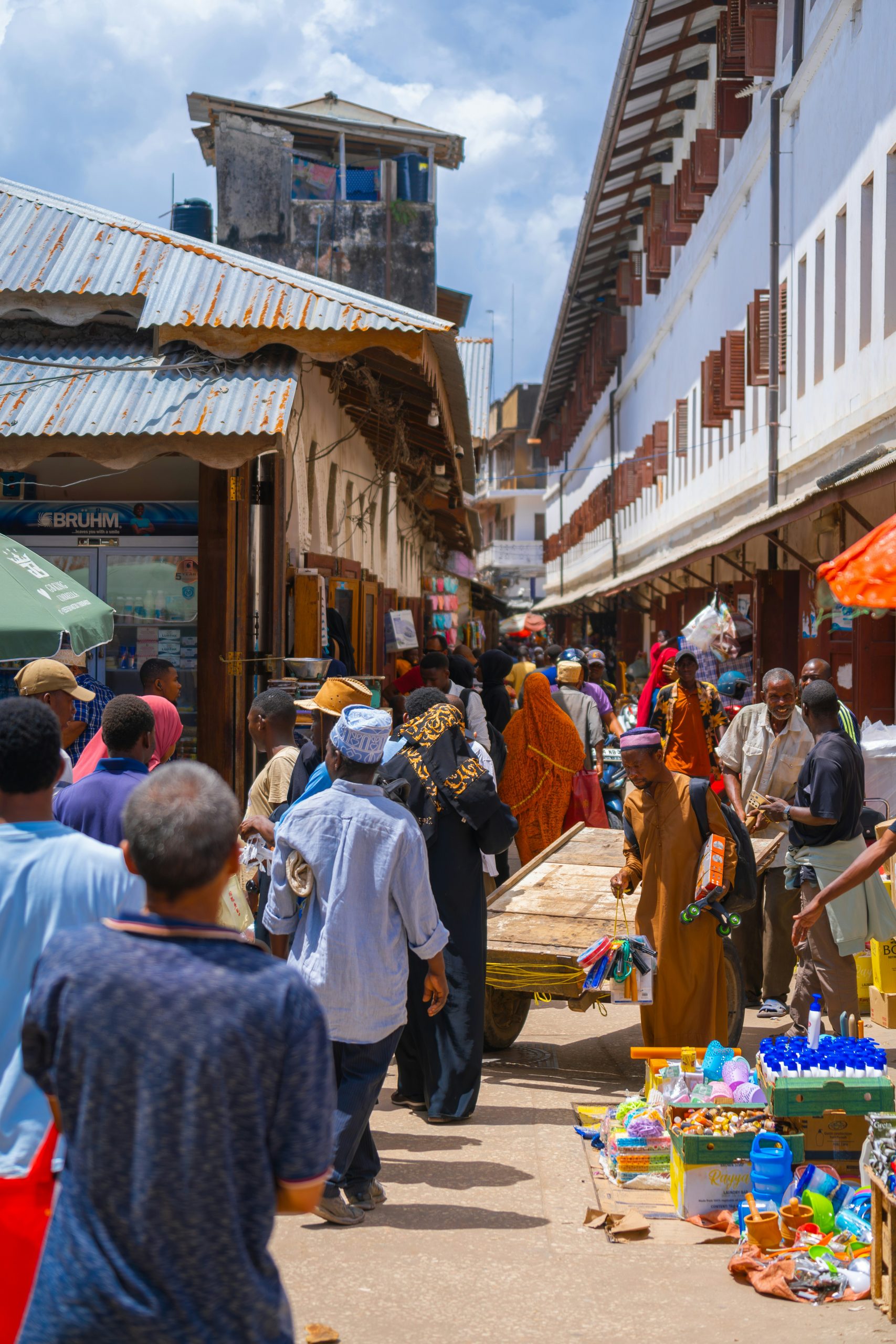
The island’s history dates back to the eighth century, with influences from Arab, Portuguese, and Omani cultures. Zanzibar’s Stone Town, a UNESCO World Heritage Site, is a labyrinth of narrow alleys, bustling markets, and historic buildings, showcasing the island’s unique blend of African, Arab, and European influences.

Zanzibar is famous for its spice plantations, where visitors can take guided tours to learn about the production of cloves, nutmeg, and cinnamon. The island’s pristine beaches offer a tranquil atmosphere, perfect for relaxation and water activities like snorkeling, diving, and swimming.
The local cuisine is a fusion of flavors, with dishes like urojo (a spicy soup), nyama choma (roasted meat), and seafood delicacies. Visitors can sample these flavors at local restaurants or street food stalls.
Zanzibar is also known for its vibrant cultural scene, with traditional music, dance, and art. The island’s people are warm and welcoming, and visitors can experience the local culture by attending a traditional dance performance or visiting a local market.
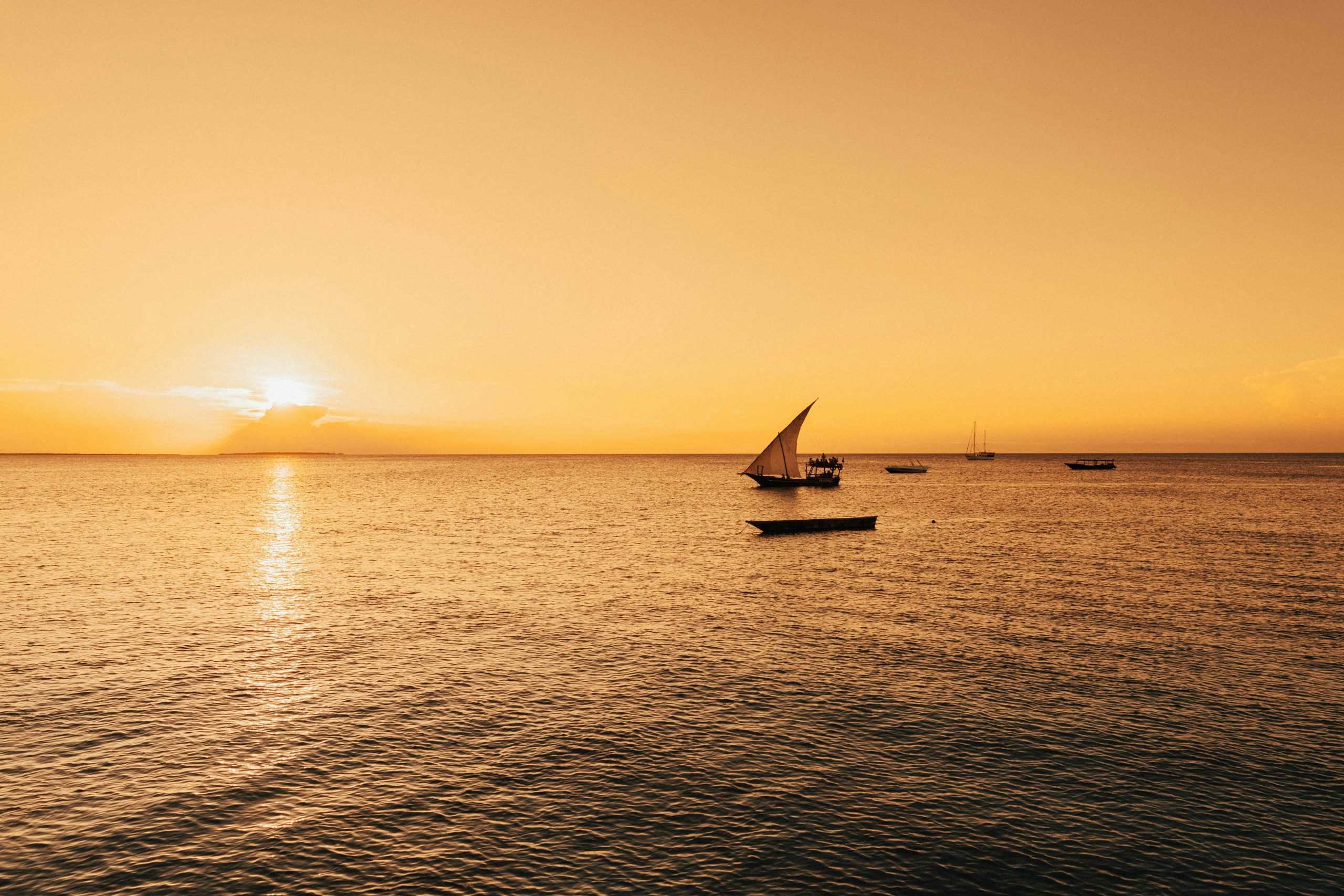
The best time to visit Zanzibar is during the dry season, when the weather is pleasant and sunny. However, the island’s scenery and charm are present year-round, making it a great destination for travelers seeking a tropical getaway.
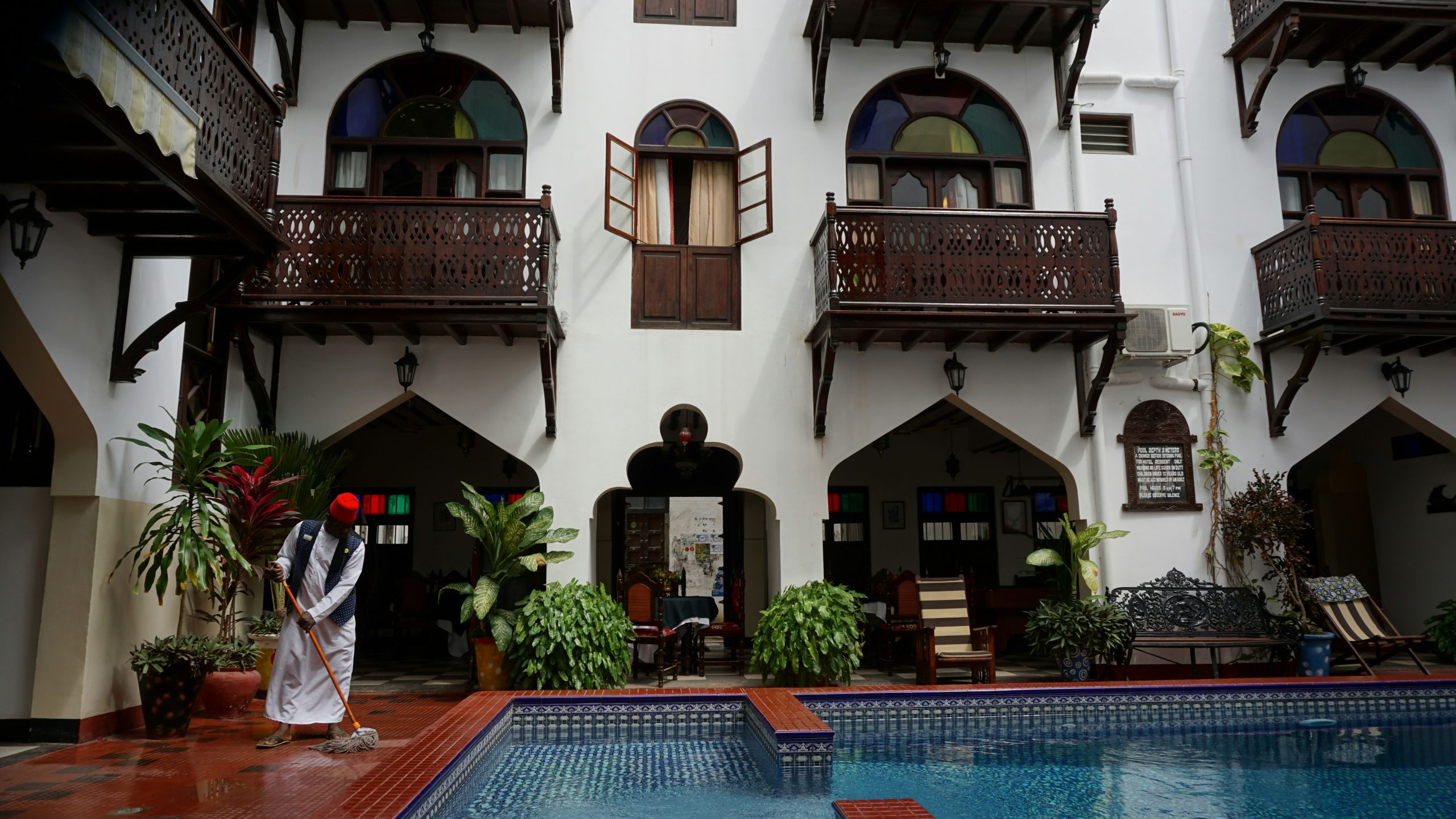
Accommodation options range from luxury resorts to budget-friendly guesthouses, many of which offer stunning ocean views and easy access to the island’s attractions.
Zanzibar is a unique and fascinating destination that offers something for everyone. Whether you’re interested in history, culture, relaxation, or adventure, the island’s stunning landscapes, rich heritage, and warm hospitality make it an unforgettable experience that will leave a lasting impression on all who visit.
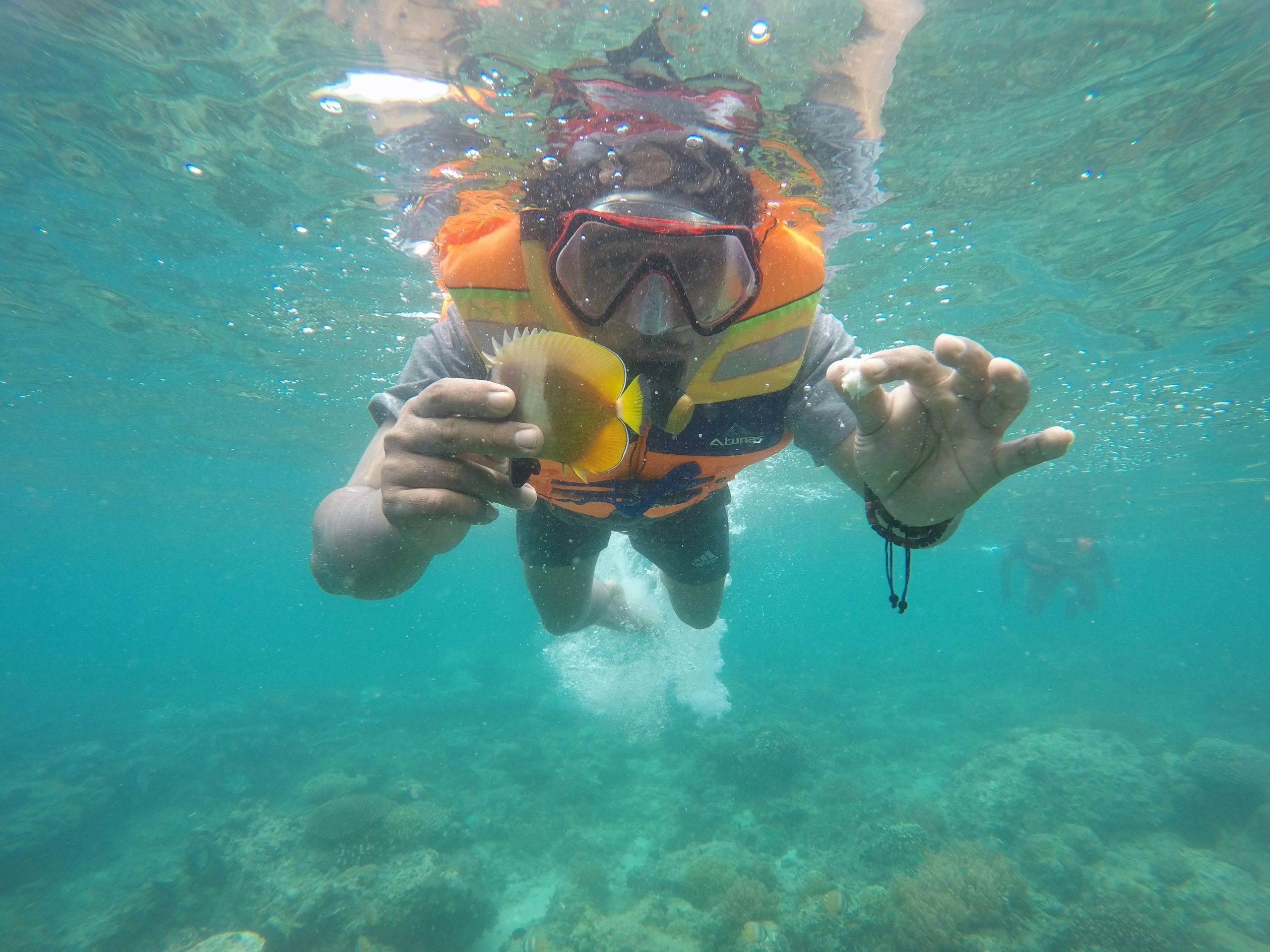
The island’s scenic beauty, cultural richness, and warm hospitality make it an ideal destination for honeymooners, families, and adventure-seekers alike. Visitors can explore the island’s hidden coves, snorkel in the crystal-clear waters, or simply relax on the beach and soak up the sun.
Overall, Zanzibar is a must-visit destination for anyone looking for a tropical paradise with a rich cultural heritage and stunning natural beauty. The island’s unique blend of influences, vibrant cultural scene, and breathtaking scenery make it an unforgettable experience that will leave you with lifelong memories.
Frequently Asked Questions (FAQs) for Tourists Planning a trip to Zanzibar.
1. What is the best time to visit Zanzibar?
Answer: Zanzibar has pleasant weather year-round. However, the best time is during the dry seasons, from June to October and December to February, for optimal beach and outdoor activities.
2. What are the must-visit attractions in Zanzibar?
Answer: Stone Town, Jozani Chwaka Bay National Park, Paje Beach, Spice Plantations, Prison Island, and the Mnemba Atoll for snorkeling and diving are popular attractions.
3. How do I get to Zanzibar?
Answer: Flights from mainland Tanzania or other international destinations land at Abeid Amani Karume International Airport in Zanzibar. Ferries also connect Zanzibar to Dar es Salaam.
4. Are there specific cultural etiquettes to follow in Zanzibar?
Answer: Zanzibar has a predominantly Muslim culture. Respect local customs by dressing modestly, especially in Stone Town and religious sites.
5. What activities can I enjoy in Zanzibar?
Answer: Apart from relaxing on beautiful beaches, activities include snorkeling, diving, spice tours, visiting historical sites, and enjoying the vibrant nightlife.
6. Are there any health precautions or vaccinations needed for Zanzibar?
Answer: Yellow fever vaccinations are required. Other recommended vaccinations include hepatitis A and typhoid. Consult a healthcare professional before traveling.
7. What currency is used in Zanzibar, and are credit cards widely accepted?
Answer: The Tanzanian Shilling (TZS) is commonly used. While some upscale hotels and restaurants accept credit cards, cash is preferred for smaller purchases and in local markets.
8. What is the nightlife like in Zanzibar?
Answer: Zanzibar offers a diverse nightlife scene with beach parties, live music, and beachfront bars in areas like Kendwa and Nungwi.
9. Is it safe to swim in the ocean in Zanzibar?
Answer: Generally, the beaches are safe for swimming, but it’s advisable to follow local guidelines and swim in designated areas due to strong currents in some places.
10. What type of accommodation options are available in Zanzibar?
Answer: Accommodations range from luxury resorts and boutique hotels to budget-friendly guesthouses and beachfront bungalows, catering to various preferences and budgets.
11. Can I easily arrange day trips or tours in Zanzibar?
Answer: Yes, there are numerous tour operators offering day trips to different attractions or activities like snorkeling, spice tours, and visits to neighboring islands.
12. Are there restrictions on bringing back spices or souvenirs from Zanzibar?
Answer: While you can purchase spices and souvenirs, certain items like endangered species’ products are prohibited for export. Check local regulations before buying.
13. What is the language spoken in Zanzibar?
Answer: Swahili is the official language, but English is widely spoken, especially in tourist areas.
14. How long should I plan to stay in Zanzibar to explore the main attractions?
Answer: A stay of 4 to 7 days allows time to explore Stone Town, enjoy beach activities, take tours, and experience the island’s culture and history
15. What is the dress code for beachwear in Zanzibar?
Answer: While beachwear is acceptable on the beach, it’s recommended to cover up when moving away from the beach or in town areas out of respect for local customs.
16. What are the transportation options within Zanzibar?
Answer: Taxis, dala dalas (local minibusses), and private hired cars are common modes of transportation. Some areas are easily navigable on foot, especially in Stone Town.
17. Are there any specific cultural events or festivals in Zanzibar worth experiencing?
Answer: Zanzibar hosts several festivals, including the Zanzibar International Film Festival (ZIFF) and the Mwaka Kogwa festival, offering insights into local culture and traditions.
18. Are there any specific rules or customs to follow while visiting local villages or communities?
Answer: Respect local customs, seek permission before taking photos, and consider hiring a guide to better understand and respect local traditions.
19. Can I rent a bicycle or scooter to explore Zanzibar?
Answer: Yes, bicycle and scooter rentals are available in some areas. They provide flexibility for exploring smaller villages or less crowded areas.
20. Are there any hidden gems or less-known attractions in Zanzibar worth visiting?
Answer: Places like Chumbe Island Coral Park, Tumbatu Island, and the Kiwengwa-Pongwe Forest Reserve offer quieter and less touristy experiences.
21. What types of cuisine can I expect to try in Zanzibar?
Answer: Zanzibari cuisine is diverse, with influences from Arabic, Indian, and African cultures. Try dishes like biryani, pilau, seafood, and the famous Zanzibar pizza.
22. Are there any specific rules regarding photography in Zanzibar?
Answer: Always ask for permission before taking photos of individuals or in certain sensitive areas, especially in religious or private spaces.
23. What is the best way to exchange currency in Zanzibar?
Answer: Banks, ATMs, and authorized currency exchange offices in major towns like Stone Town offer reliable places to exchange currency.
24. Is it customary to tip in Zanzibar, and if so, how much?
Answer: Tipping is appreciated but not mandatory. It’s customary to tip around 10% in restaurants, and a small tip for good service is appreciated for tour guides or drivers.
25. Can I visit Zanzibar on a day trip from mainland Tanzania?
Answer: Yes, day trips via ferry or flight from Dar es Salaam to Zanzibar are possible, allowing a glimpse into the island’s beauty even with limited time.