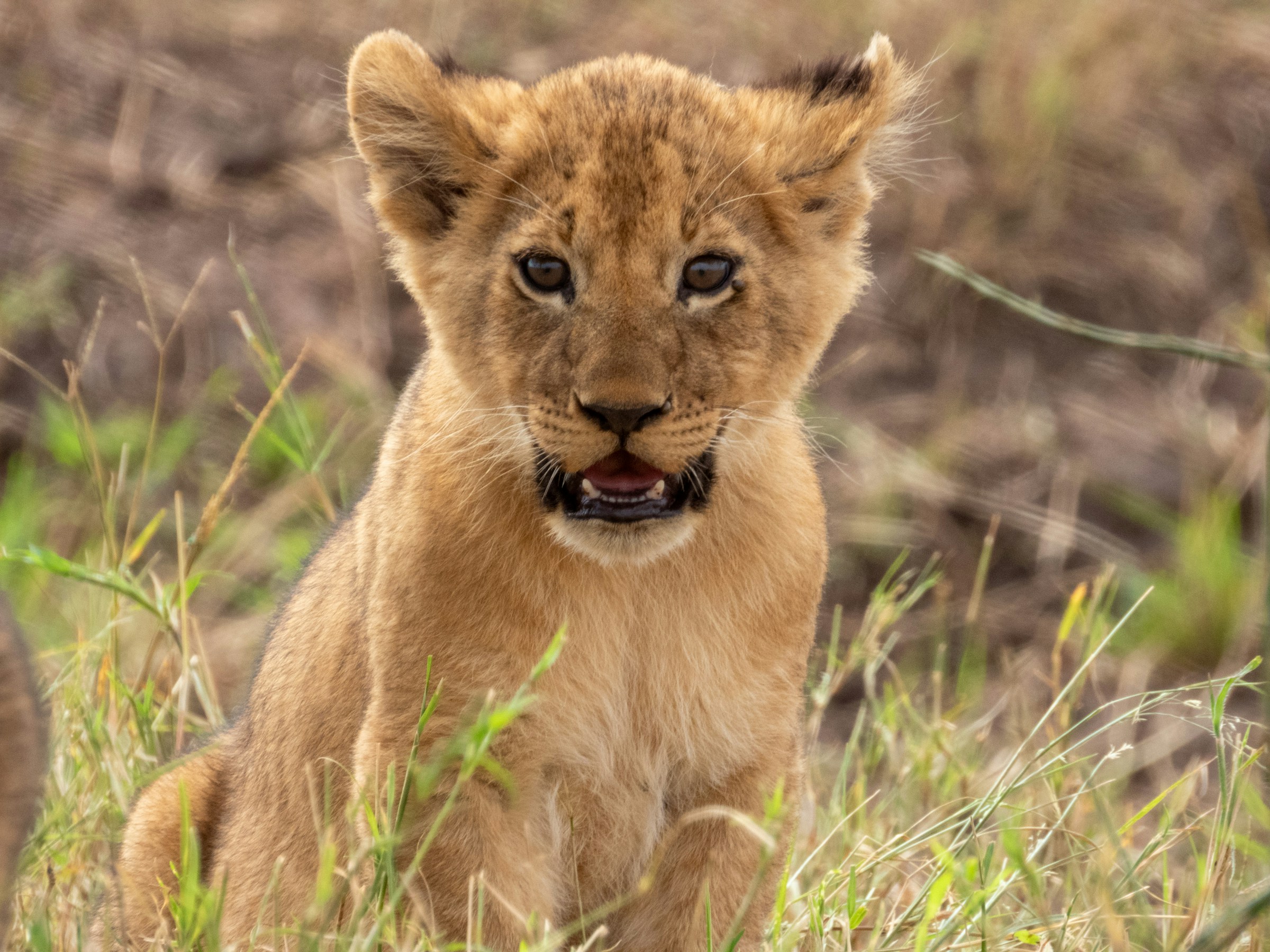
Wildlife Safaris
Discover the Ultimate Wildlife Safari in Tanzania – Where the Wild Welcomes You
Welcome to the heart of Africa – Tanzania, a land of stunning landscapes, diverse cultures, and one of the richest wildlife experiences on Earth. Whether you’re dreaming of witnessing the Great Migration, locking eyes with a lion on the Serengeti plains, or exploring remote southern parks untouched by mass tourism – we bring you closer to the wild than ever before.
We invite you to explore Tanzania’s majestic national parks and game reserves with our expertly crafted safari experiences, tailored for all budgets and preferences – from budget camping safaris to luxury tented experiences. With our highly trained guides, state-of-the-art safari vehicles, and unparalleled service, your adventure with us will be more than just a trip – it will be a lifelong memory.
Tanzania Wildlife Safari Circuits – Northern and Southern
Northern Safari Circuit – The Iconic Route
The Northern Circuit is the most popular safari route in Tanzania, offering world-class game viewing, legendary landscapes, and accessible logistics.
Serengeti National Park
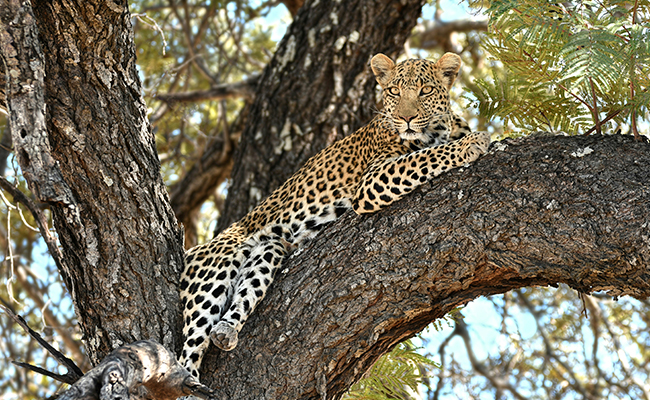
Highlights: The Great Migration – (over 1.5 million wildebeest & 300,000 zebras), Big Five (lion, leopard, elephant, rhino, buffalo), endless savannahs.
What to Expect: Iconic game drives, breathtaking sunsets, balloon safaris.
Best Time to Visit: June–October for dry season & migration crossings, January-March for calving season.
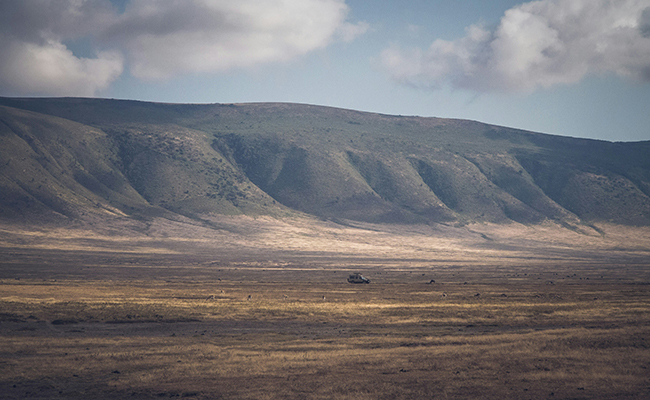
Ngorongoro Crater (Ngorongoro Conservation Area)
Highlights: World’s largest intact volcanic caldera, incredible density of animals, home to endangered black rhinos.
What to Expect: Game drives inside the crater, Maasai cultural experiences, scenic vistas.
Best Time to Visit: Year-round.
Tarangire National Park
Highlights: Massive elephant herds, baobab-dotted landscapes, seasonal river attracting predators.
What to Expect: Off-the-beaten-track experiences, fewer crowds, rich birdlife
Best Time to Visit: June–October.
Lake Manyara National Park
Highlights: Tree-climbing lions, pink flamingos, diverse ecosystems (from groundwater forest to soda lake).
What to Expect: Canoeing (seasonal), birdwatching, relaxed game drives.
Best Time to Visit: June–October, November-March for birding.
Arusha National Park
Highlights: Mount Meru, walking safaris, canoeing, black-and-white colobus monkeys.
What to Expect: Day safaris, hiking, forest and alpine views.
Best Time to Visit: Year-round.
Southern Safari Circuit – Tanzania’s Hidden Gem
If you’re looking for more solitude and untamed wilderness, the southern circuit offers raw, wild beauty and fewer tourists.

Nyerere National Park (formerly Selous Game Reserve)
Highlights: Boat safaris, walking safaris, rivers teeming with hippos and crocodiles. What to Expect: Authentic safari experience, predator-prey drama, birdwatching paradise. Best Time to Visit: June–October

Ruaha National Park
Highlights: Largest national park in Tanzania, lions, elephants, kudu, ancient baobabs.What to Expect: Real wilderness feel, big cats, birdwatching.Best Time to Visit: June–October.

Mikumi National Park
Highlights: Wildlife similar to Serengeti but less crowded, easily accessible from Dar es Salaam.What to Expect: Family-friendly safaris, lions, giraffes, zebras.Best Time to Visit: June–October.
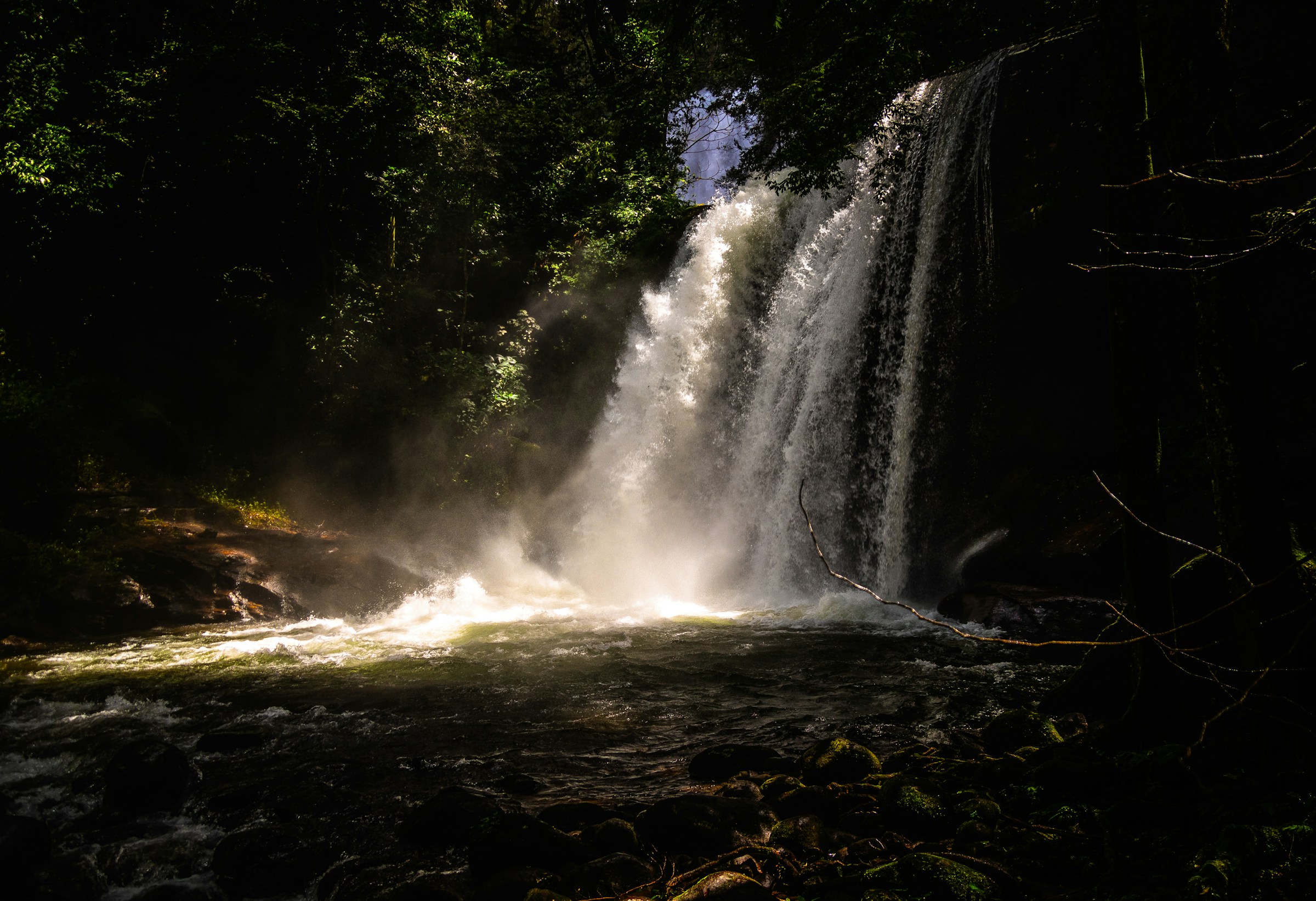
Udzungwa Mountains National Park
Highlights: Hiking, waterfalls, primates, endemic species.What to Expect: Trekking and nature, not traditional game drives.Best Time to Visit: Year-round.
Types of Safari Accommodations We Offer
We cater to all travelers – from adventurers on a budget to those seeking ultimate luxury.

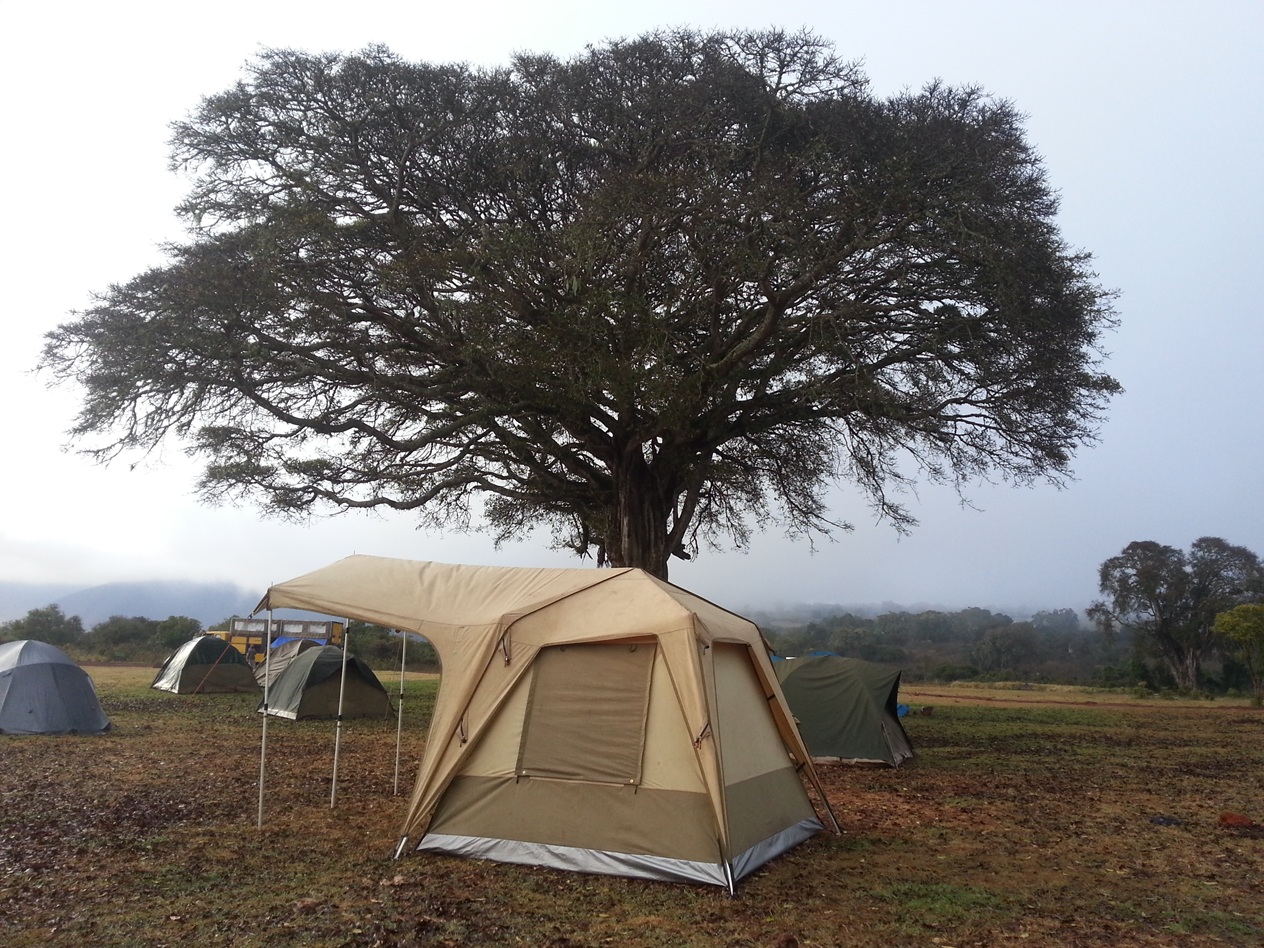
Budget Camping Safari
Sleep in tents under the stars in public or private campsites. Shared facilities, delicious food, true wilderness feel. For adventurous spirits wanting to connect deeply with nature.
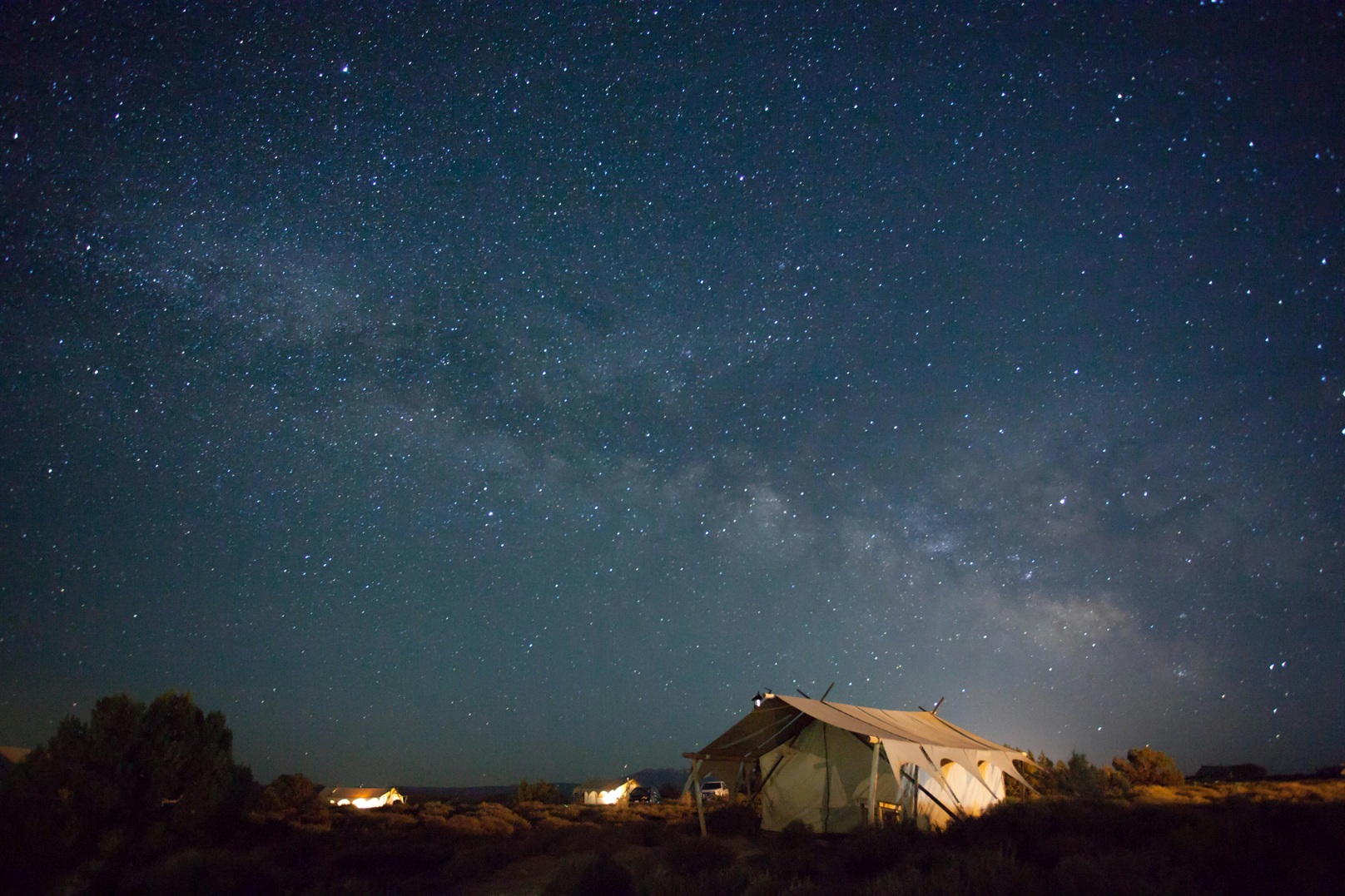
Midrange Tented Camp Safari
Comfortable en-suite tents with beds, solar power, hot showers. Located in prime game-viewing areas. Great balance between affordability and comfort.
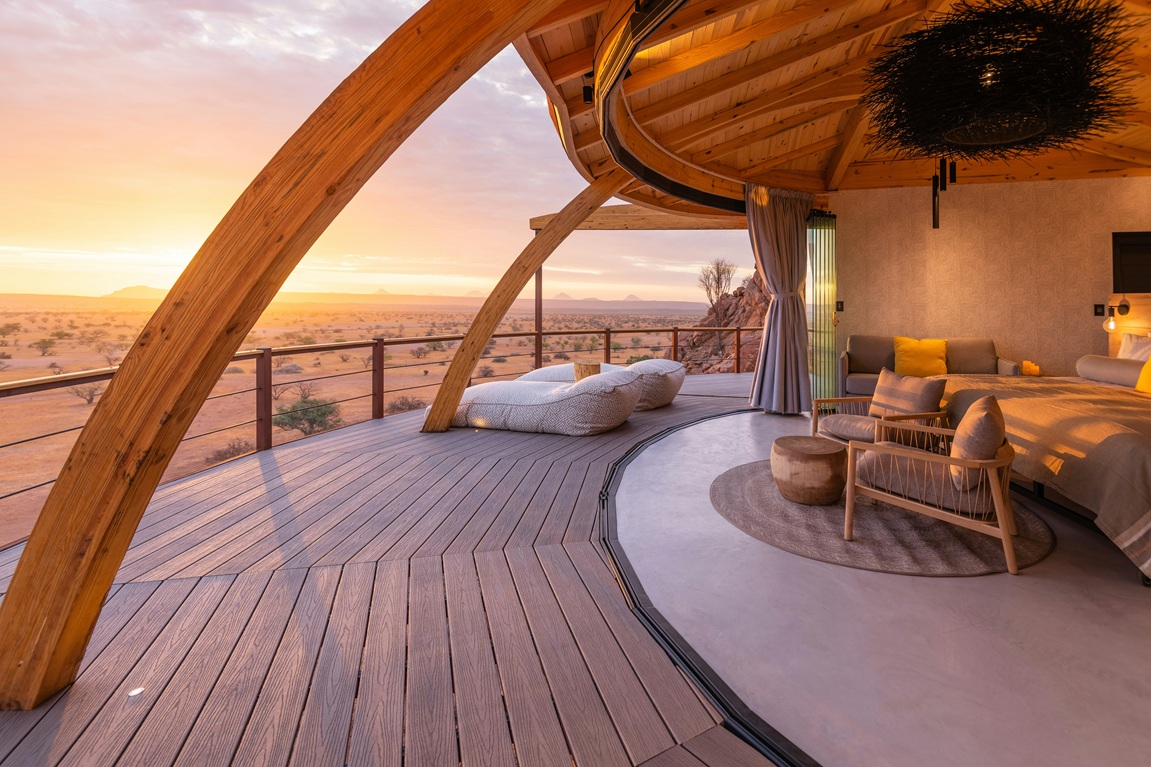
Luxury Safari Lodges & Tented Camps
5-star service, gourmet dining, infinity pools, spa treatments. Scenic settings overlooking rivers or plains. Personalized service and unmatched comfort.
Cuisine on Safari – What You’ll Eat
Our safaris offer a rich variety of meals prepared by experienced chefs:

Breakfast
Eggs, sausages, pancakes, toast, fruits, fresh juice, Tanzanian coffee or tea.

Lunch
Packed picnic or hot lunch at the lodge – pasta, rice, grilled meats, chicken, salads.

Dinner
Three-course meals with local and international dishes – soups, curries, grilled fish/meat/chicken, vegetables, and desserts.
Special dietary needs (vegetarian, vegan, gluten-free, halal) can be catered upon request.
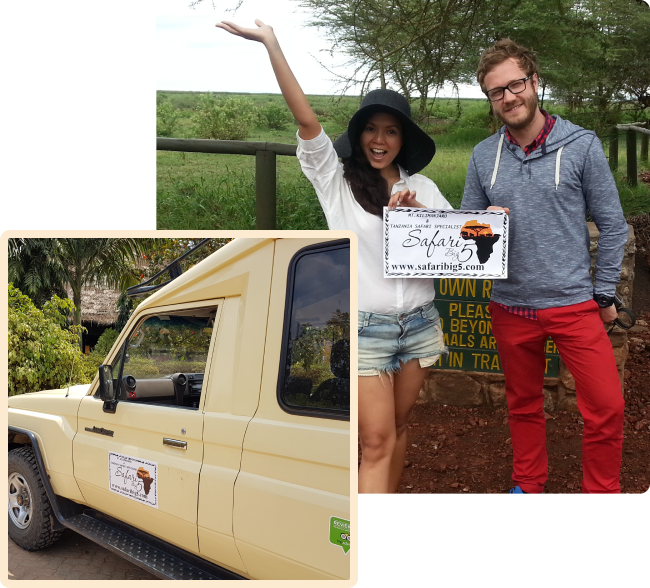
Our Safari Fleets – Comfort on the Move
Our safaris offer a rich variety of meals prepared by experienced chefs:

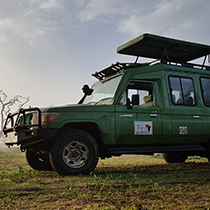
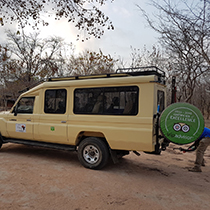
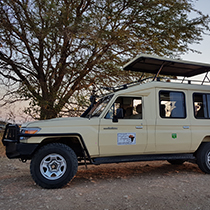
Pop-up roof for unobstructed game viewing.

Large windows for each guest.

Refrigerator for cold drinks.
Charging ports for cameras/phones.
Radio communication for guide coordination.
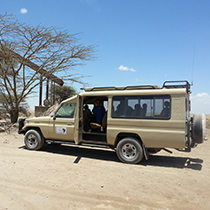
Regular maintenance for safety and reliability.

Why Choose Us for Your Tanzania Safari?
Top Professional Safari Guides – Certified, passionate, with deep wildlife and cultural knowledge.

Highly Maintained Vehicles - Ensuring safety, comfort, and reliability.

We Go the Extra Mile - Literally and figuratively - to give you wild pleasure.

Reality Beyond Expectations - Stunning moments and magical encounters await you.

Customizable Itineraries - Tailored to your time, budget, and interests.

Big Group Discounts - Traveling with friends or family? Save big.

Excellent Hospitality - You’re not just a guest – you’re part of our family.

Excellent Hospitality - You’re not just a guest – you’re part of our family.
When you book with us, you’re not just booking a safari – you’re stepping into a world where the wild takes over and your soul connects with nature.
What to Pack
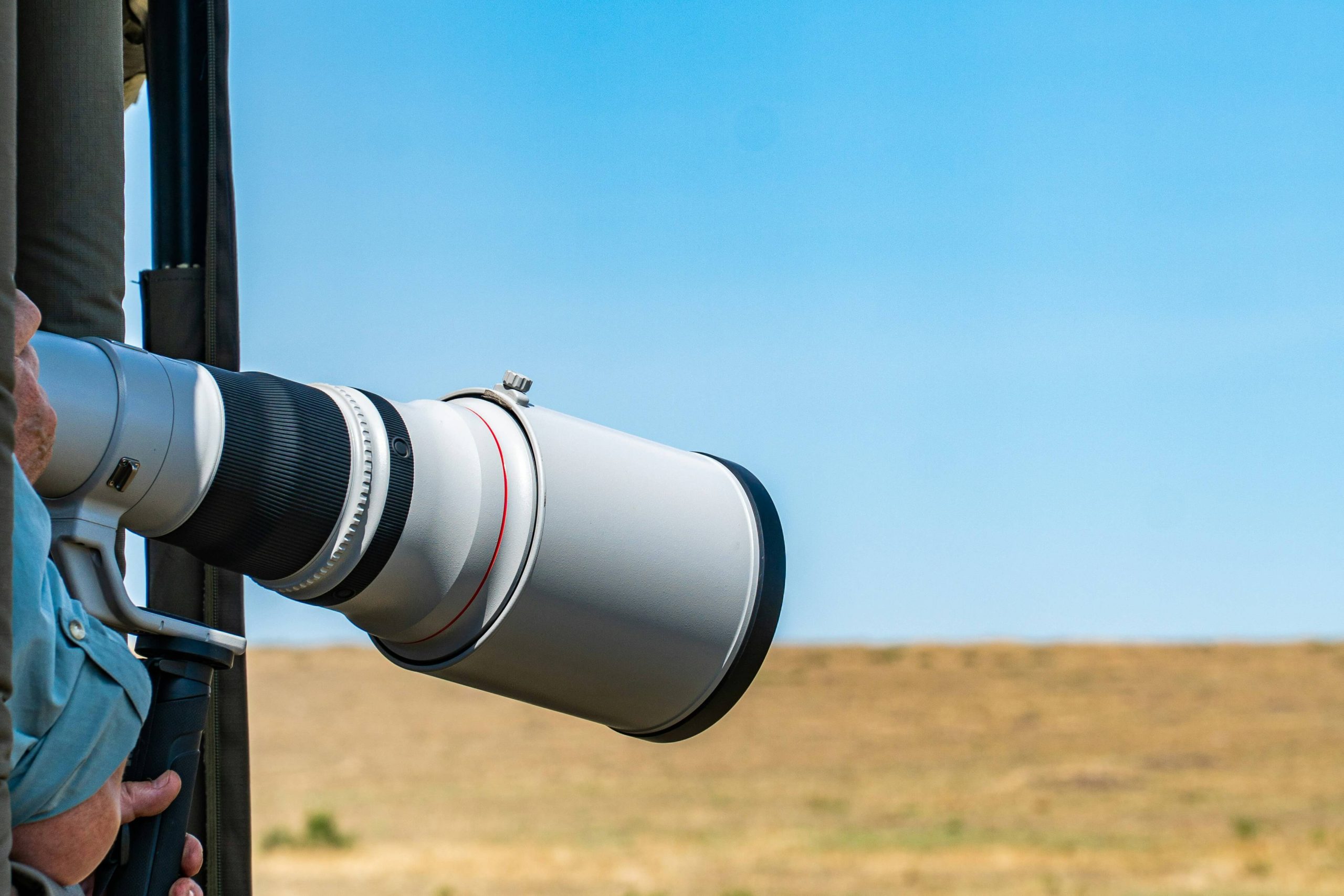
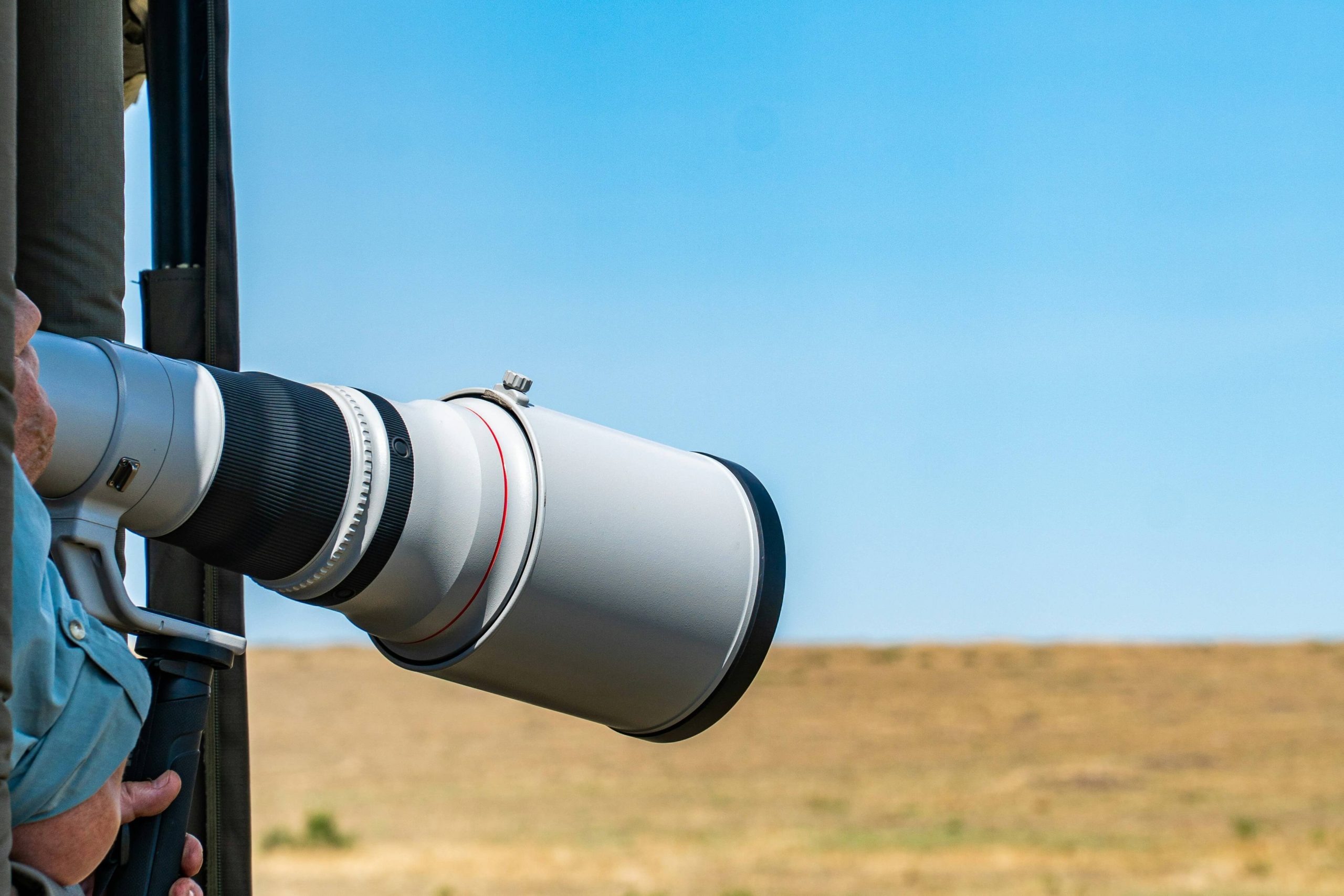
- Camera with zoom lens & binoculars.
- Sunscreen, insect repellent, lip balm.
- Refillable water bottle.
- Travel documents, passport, yellow fever card (if needed).
- Medications & basic first-aid.
- Small daypack for game drives.
- Medications & basic first-aid.
Ready to Book Your Tanzanian Safari Adventure?
Let’s bring your wildest dreams to life. Whether you’re a solo traveler, honeymooners, family, or group, we promise you a wildlife experience that surpasses your imagination.
Don’t Just Travel. Come Roar With Us!
Contact Us Today for customized quotes, safari itineraries, and expert planning.
Reality is more than your expectations, and that’s exactly what we deliver.
Frequently Asked Questions (FAQs) for Tourists Planning a Mount Kilimanjaro Trek in Tanzania.
1. What is the best time to go on a wildlife safari in Tanzania?
Answer: The dry season (from June to October) is generally the best time for wildlife safaris as animals gather around water sources, making them easier to spot.
2. Which national parks in Tanzania are best for wildlife safaris?
Answer: Serengeti National Park, Ngorongoro Crater, Tarangire National Park, and Lake Manyara National Park are among the top destinations known for abundant wildlife.
3. What types of animals can I expect to see on a safari in Tanzania?
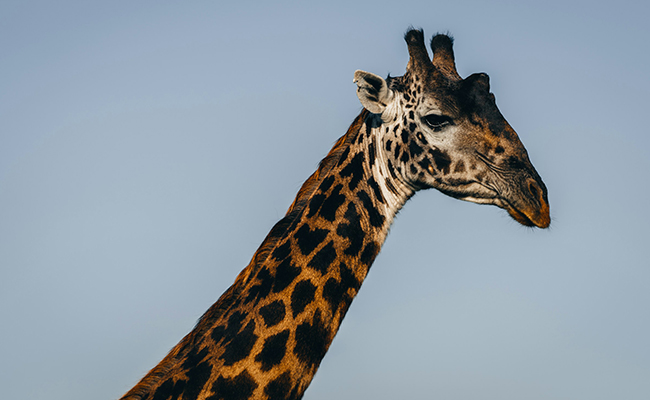
Answer: Tanzania offers diverse wildlife including the Big Five (elephant, lion, leopard, buffalo, rhinoceros), zebras, giraffes, wildebeests, hippos, crocodiles, and a variety of bird species.
4. Do I need a guide for a wildlife safari in Tanzania?
Answer: Yes, having a certified guide is essential for a successful safari. They provide valuable information, ensure safety, and help spot wildlife.
5. What kind of vehicles are used for safaris?
Answer: Safari vehicles are typically 4×4 vehicles like Land Cruisers or Land Rovers designed for off-road terrain with open roofs for better viewing and photography.
6. What should I pack for a wildlife safari?
Answer: Essential items include lightweight clothing, a hat, sunscreen, binoculars, a camera with extra batteries and memory cards, and any necessary medications.
7. Can I see the Great Wildebeest Migration in Tanzania?
Answer: Yes, the Great Wildebeest Migration occurs in the Serengeti, usually between November and August, where millions of wildebeests, zebras, and other animals move in search of food and water.
8. Are there age restrictions for wildlife safaris?
Answer: There are generally no strict age restrictions, but some safari activities may have age limitations for safety reasons. It’s advisable to check with tour operators beforehand.
9. What are the accommodation options during a wildlife safari?
Answer: Accommodations range from luxury lodges to tented camps, offering various levels of comfort within or near national parks.
10. How long should a wildlife safari in Tanzania be?
Answer: The duration varies, but a typical safari can last from 3 to 10 days, depending on the chosen itinerary and destinations.
11. Are night safaris available in Tanzania?
Answer: Night safaris are not allowed inside most Tanzanian national parks. However, some private reserves and conservancies offer guided night drives.
12. What safety precautions should I take during a safari?
Answer: Follow the guide’s instructions, stay inside the vehicle unless instructed otherwise, avoid sudden movements, and never attempt to approach or feed wild animals.
13. Can I book a wildlife safari upon arrival in Tanzania?
Answer: While last-minute bookings might be possible, it’s recommended to book in advance to secure preferred accommodations, guides, and safari itineraries.
14. Are there medical facilities available during safaris?
Answer: Medical facilities are limited within national parks. It’s advisable to carry a basic first aid kit and any necessary medications.
15. Can I combine a wildlife safari with other activities in Tanzania?
Answer: Yes, many tour operators offer combined packages that include safaris along with activities like trekking Kilimanjaro, visiting cultural villages, or relaxing at coastal beaches.
16. Is it necessary to get vaccinated before going on a safari in Tanzania?
Answer: Certain vaccinations like yellow fever are required for entry into Tanzania. Additionally, other vaccinations like tetanus and hepatitis A are recommended. Consult a healthcare professional before traveling.
17. Can I do a walking safari in Tanzania?
Answer: Yes, some parks and reserves offer guided walking safaris, providing a different perspective and closer interaction with nature. However, it’s essential to follow safety protocols.
18. Are children allowed on safaris, and are there special activities for them?
Answer: Children are allowed, and some lodges offer special programs or activities tailored for kids, providing educational experiences and ensuring their safety.
19. What is the best way to book a wildlife safari in Tanzania?
Answer: Booking through reputable tour operators or travel agencies is recommended. They can assist in customizing itineraries, arranging accommodations, and providing experienced guides.
20. What language do the safari guides speak?
Answer: English is widely spoken by safari guides in Tanzania. Some guides might be proficient in other languages like French, Spanish, Italian, Japanese, German, Portuguese as well.
21. Are there specific dress codes for safaris?
Answer: Dress comfortably in neutral-colored clothing to blend with the environment. Avoid bright colors that might disturb wildlife. Layers are advisable for temperature changes.
22. Can I hire a private guide for a personalized safari experience?
Answer: Yes, many tour operators offer private guides for a more personalized and flexible safari experience tailored to specific interests and preferences.
23. Are there electricity and charging facilities available during the safari?
Answer: Most lodges and camps have electricity and charging facilities. However, it’s recommended to bring portable chargers or power banks for backup.
24. Can I expect Wi-Fi and cell phone reception during the safari?
Answer: Wi-Fi and cell phone reception may be limited or unavailable in some remote areas within national parks. It’s advisable to inform family or friends beforehand.
25. What happens in case of emergencies during a safari?
Answer: Safari guides are trained to handle emergencies. They have communication devices to contact park authorities or medical services if needed. Comprehensive travel insurance is advisable.